Author: admin

  • 9 Backlink Strategies to Grow Your Real Estate SEO

    Having good real estate backlinks can provide a huge boost in your organic rankings. However, if you do them wrong, the effect can devastate your rankings, sending them into the Google abyss. That is why educating yourself before starting a link-building strategy is critical.

    document.addEventListener(‘DOMContentLoaded’, function() { jQuery(window).scroll(function() { if ( jQuery(document).scrollTop() > $(‘#carrotToast’).offset().top && jQuery(“.carrot-toast”).attr(“displayed”) === “false”) { jQuery(‘.carrot-toast’).toast(‘show’); jQuery(“.carrot-toast”).attr(“displayed”, “true”); } }); });
    document.addEventListener(‘DOMContentLoaded’, function() { jQuery(window).scroll(function() { if ( jQuery(document).scrollTop() > $(‘#carrotToast’).offset().top && jQuery(“.carrot-toast”).attr(“displayed”) === “false”) { jQuery(‘.carrot-toast’).toast(‘show’); jQuery(“.carrot-toast”).attr(“displayed”, “true”); } }); });

    Table of Contents


    In the world of real estate websites, backlinks are like gold. They’re essentially links from other websites that point back to yours. Search engines see these backlinks as a vote of confidence in your content and expertise.

    The more high-quality backlinks you have from relevant real estate websites, news outlets, or local directories, the higher your website will rank in search results for local homebuyers and sellers. This translates to increased online visibility, attracting more qualified leads and ultimately growing your real estate business.

    Backlinks are a major piece of the SEO (search engine optimization) puzzle.

    They go together like peanut butter and jelly. You need one to make the other better.

    High-level, here are four quick reasons why it’s important to have a good backlink strategy:

    • Backlinks are how Google (and other search engines) find your pages.
    • Backlinks are a way to show Google that you have a solid reputation. Search engines will push searchers to websites they can trust.
    • Relevant backlinks can boost your authority.
    • Backlinks drive more traffic to your website.

    Here’s an example. When someone types “sell my house in [market city]” or “real estate agent in [market city]” into Google, you want your website to come up on the first page.
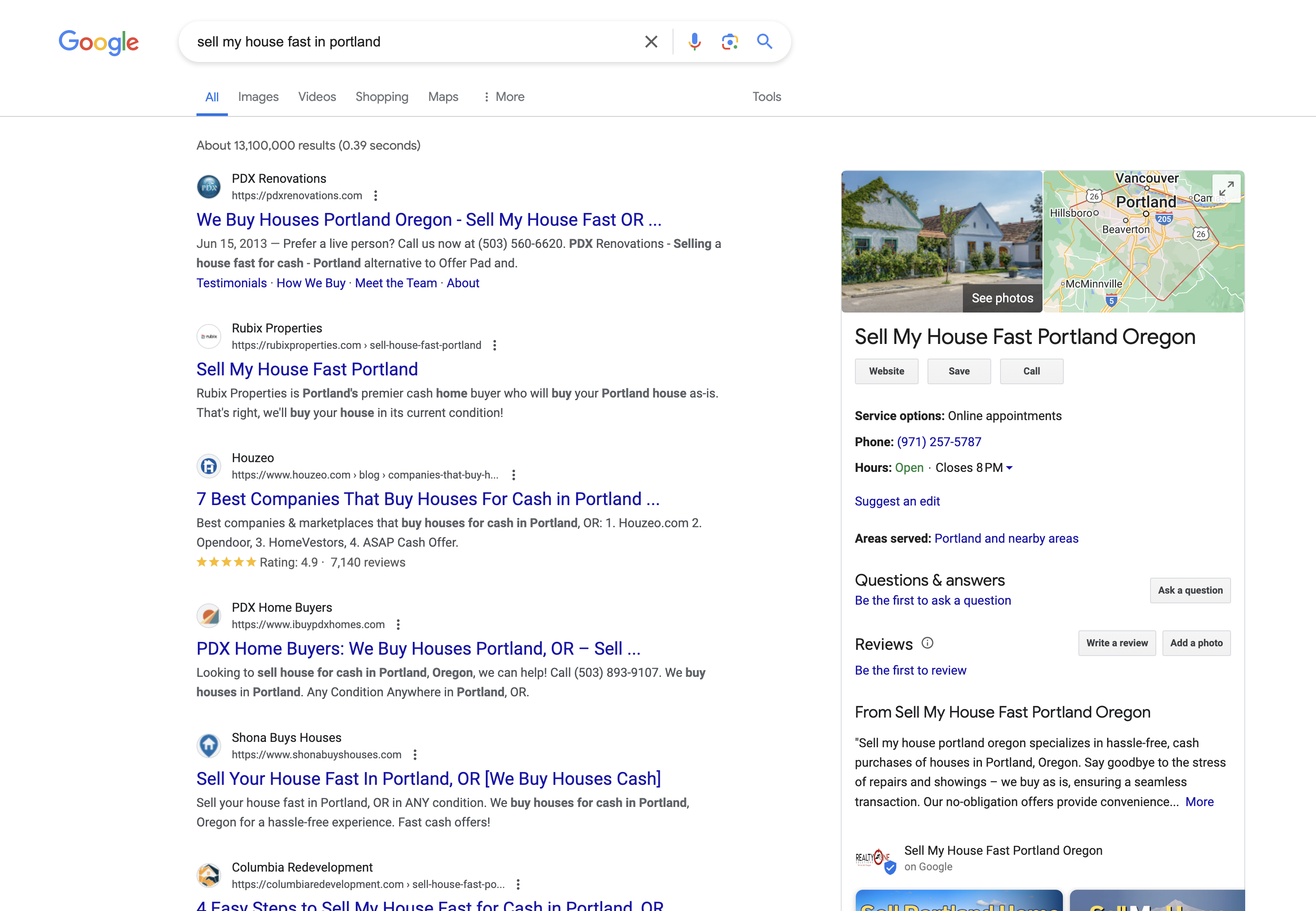
    top Google search rankings

    If it doesn’t, you’re missing out on a lot of website traffic, leads, and, more importantly, deals.

    Some 93% of internet experiences start with a search engine, including the real estate industry. When people — your target market — are looking for help, they go to Google.

    And if you show up on the first page, that’s good for business.

    Two of the most powerful factors for ranking in Google are website traffic and backlink portfolio.
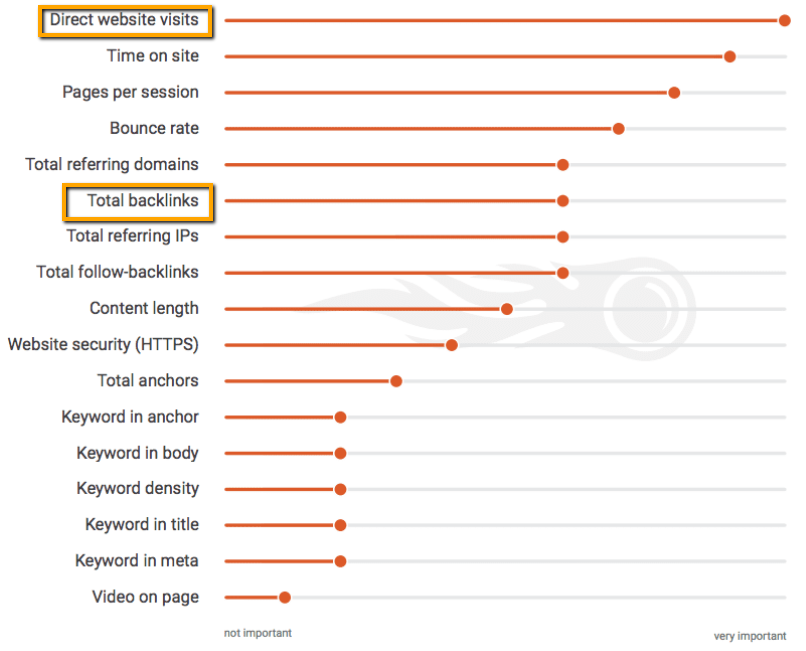
    most powerful search rankings

    In other words, the more traffic and backlinks a page on your website receives, the better that page will rank for your target keyword phrases.

    Unfortunately, getting traffic and backlinks is one of the most difficult things. This article will give you practical tips for promoting your content and building links to your website.

    Related Content: How Many Backlinks Does it Take to Start Ranking Your Real Estate Website in Google?

    Here are nine real estate backlinks strategies to help improve a website’s authority and credibility in the eyes of search engines.

    1. Consistent Content Creation

    This is your first step on the way to building your SEO rankings. Without consistently creating blog content for your website, you might rank for a few keyword phrases on your homepage. Still, you won’t rank for any longtail keyword phrases (like “how to deal with foreclosure” or “how to sell my how during a divorce”).

    Think of every piece of content like a door to your website. The more doors you have, the more people can visit your website, and the more opportunities you have to rank in Google. A good rule of thumb, though, is to create only one piece of content for each keyword phrase you’re targeting.

    While consistently creating content can be time-consuming, our Grow plans at Carrot include done-for-you blog content. You just need to customize about 25% of each post and publish it!

    Many of our members, like Ryan Dossey, consistently get SEO leads from those done-for-you blog posts!
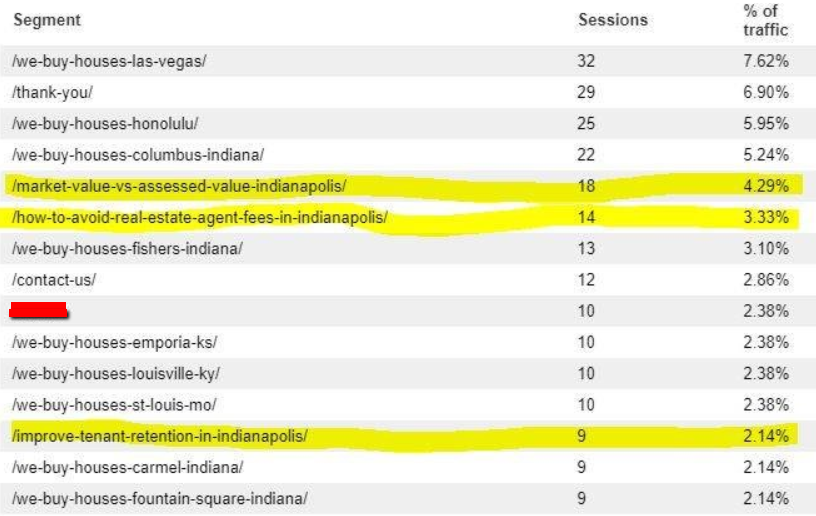
    real estate website traffic every month through SEO

    But maybe you want to create your own unique content—no problem! We’ve created VideoPost, which you can use to transcribe video content into a blog post with the click of a button—learn more here.

    2. Building Backlinks with Local Citations

    Getting listed in relevant directories isn’t just about backlinks, it’s about building your online presence and local SEO. Here’s why citations are crucial and how to find the best ones for your real estate website:

    What are Citations?

    Citations are online mentions of your real estate business, including your name, address, and phone number (NAP). These mentions can appear on various online platforms like:

    • Local Business Directories: Yelp, Google My Business, Bing Places for Business, Angie’s List, HomeAdvisor, etc.
    • Industry-Specific Directories: Realtor.com, Zillow, Trulia, LoopNet (commercial real estate), etc.
    • Local Government Websites: City or county government websites often list licensed real estate agents.
    • Chamber of Commerce Listings: Joining your local chamber can provide valuable directory listings.

    Benefits of Citations:

    • Improved Local Search Ranking: Search engines like Google rely on consistent NAP citations across the web to verify your business legitimacy and location. The more accurate and consistent your citations are, the higher your website will rank in local search results for relevant real estate keywords.
    • Increased Online Visibility: Citations help potential clients discover your business when searching for real estate agents online. These listings often display basic contact information, reviews, and sometimes even links to your website, directing more traffic your way.
    • Backlink Potential: Many high-quality directories provide backlinks to your website, further boosting your SEO.

    Finding the Right Directories:

    • Focus on Relevance: Don’t just submit your website to every directory you find. Prioritize directories relevant to your location, the real estate niche you serve, and those trusted by potential clients.
    • Local Directories First: Start with local business directories and industry-specific real estate platforms.
    • Use Online Tools: Several online tools like Moz Local or Yext can help you find high-quality directories and manage your citations across different platforms.

    Maintaining Accuracy:

    Once you’ve claimed your listings on relevant directories, ensure your NAP information is consistent across all platforms. Any inconsistencies can negatively impact your local SEO. Regularly monitor and update your listings as needed.

    By building a strong citation profile through local directories, you establish your real estate business online, improve your local search rankings, and potentially earn valuable backlinks to your website. This comprehensive approach strengthens your online presence and attracts more qualified leads.

    3. HARO

    HARO (for Help A Reporter Out) is a great way to build backlinks and market authority simultaneously. Journalists sign up for HARO to get quotes and contributions from market experts. You can sign up for HARO (for free) to become a source of expertise for journalists.

    Oftentimes, if they choose to quote you, they’ll also give you a backlink.

    Heck, you could even outsource this to a VA if you want. You can learn more about using HARO to build backlinks.

    4. #Journorequest

    The hashtag #JournoRequest is another direct line to journalists writing online articles and seeking expert contributions.

    By searching the hashtag on Twitter, your page will populate with many different online writers looking for specific types of contributions. They’ll have no problem providing a backlink in return most of the time.
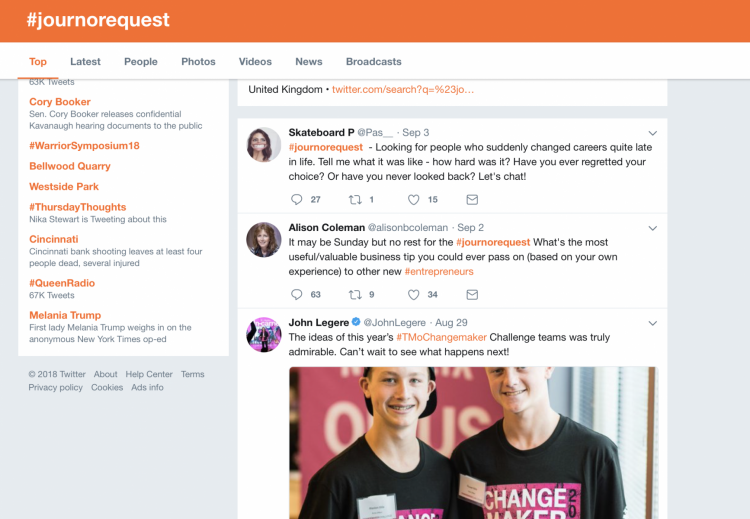
    #Journorequest for real estate backlinking

    Again, this is so simple that you could pay a VA to scour Twitter for you and look for backlink-building contribution opportunities. You’ll have to provide them with expert quotes when they find one.

    5. Establishing Yourself as the Local Real Estate Expert: Building Trust and Backlinks

    Becoming a local resource in the real estate market isn’t just about generating leads; it’s about building trust, establishing expertise, and attracting backlinks through valuable community engagement. Here are some strategic ways to position yourself as the go-to expert:

    1. Offer Free Consultations and Resources:

    • Free Consultations: Provide potential clients with free consultations to discuss their buying or selling needs. This allows you to showcase your knowledge, build rapport, and demonstrate your commitment to their success.
    • Host Educational Seminars: Organize workshops or seminars on topics relevant to your target audience, such as “First-Time Homebuyer Tips” or “The Benefits of Selling Your Home in Today’s Market.” This establishes you as a thought leader and positions your website as a resource for valuable information.
    • Create Free Downloadable Resources: Develop downloadable guides, checklists, or market reports that provide valuable insights for buyers and sellers. Make these resources freely available on your website with clear calls to action encouraging visitors to explore your services.

    2. Participate in Local Events:

    • Industry Events: Network with other professionals at real estate conferences, workshops, or association meetings. These events provide opportunities to build relationships, exchange knowledge, and potentially collaborate on future projects.
    • Community Events: Actively participate in local community events like charity fundraisers, neighborhood clean-up initiatives, or local festivals. This demonstrates your commitment to the community and fosters positive brand recognition. Sponsor local events to gain further visibility and establish your brand as a trusted local partner.

    3. Partner with Local Businesses:

    • Strategic Collaborations: Partner with businesses that complement your real estate services, such as mortgage lenders, title companies, or home inspectors. Cross-promote each other’s services and leverage each other’s audience reach.
    • Local Publications: Connect with local newspapers, online publications, or radio stations. Offer your expertise as a guest speaker or interviewee on topics related to the real estate market. This provides valuable exposure and potential backlinks when your website is mentioned as a resource.
    • Offer Free Content to Local Websites: Contribute informative articles or blog posts to local publications or neighborhood websites. These guest posts establish you as an expert and can include backlinks to your website for further information.

    By actively engaging with your local community, offering valuable resources, and demonstrating your expertise, you build trust and brand recognition. This can lead to local publications featuring you as a resource, potentially including backlinks to your website, further boosting your local SEO and attracting organic traffic. Remember, becoming a local resource is a long-term strategy that pays off with increased brand loyalty, trust, and ultimately, more qualified leads.

    6. QuuuPromote

    QuuuPromote is a service where you can pay to get Twitter shares for your content. Here’s how it works…

    There are two sides to Quuu’s business model. The first side comprises “influencers” who want to post quality content on their Twitter feed automatically — they pay Quuu to do just that.

    The second side of Quuu’s business model is made of people (like you!) who have good content and want to get that content shared on Twitter — Quuu then posts that content on the “influencer’s” Twitter feeds.

    So yeah… from a business model perspective, Quuu is having their cake and eating it, too. But it’s relatively inexpensive and worth trying if you want more shares and clicks (inside your Quuu dashboard, you can see how many clicks your promotions get).

    7. Leveraging Social Media Promotion for Backlinks:

    Social media platforms offer a powerful tool to promote your real estate content and attract backlinks. Here’s how to maximize your efforts:

    1. Identify Your Target Audience:

    • Platforms: Not all social media platforms are created equal. Focus on platforms where your target audience spends their time (e.g., Facebook groups for local residents, LinkedIn for industry professionals).
    • Communities: Join relevant Facebook groups, online forums, and subreddits focused on real estate in your area or niche.

    2. Content Strategy for Backlinks:

    • Post Consistently: Regularly share valuable content like blog posts, local market updates, home buying tips, or visually appealing property listings.
    • Optimize for Sharing: Include clear calls to action, encouraging viewers to share your content. Use relevant hashtags and engaging visuals to increase shareability.

    3. Engage and Build Relationships:

    • Be a Valuable Contributor: Don’t just post your content and disappear. Participate in discussions, answer questions, and offer helpful advice. Establish yourself as a trusted resource within the community.
    • Collaborate with Others: Look for opportunities to collaborate with other real estate agents, lenders, or local businesses on social media campaigns. Cross-promotion can expand your reach and attract backlinks from their audience.

    8. Turn Dead Ends into Backlink Opportunities

    Broken link building is an effective strategy for acquiring backlinks by identifying and replacing outdated or non-functional links on relevant real estate websites. Here’s how to refine this tactic and maximize your chances of success:

    1. Finding Broken Links:

    • Free and Paid Tools: Utilize free tools like Check My Links or Broken Link Check. Consider premium tools like Ahrefs or SEMrush for more advanced features and website crawling capabilities.
    • Focus on Local Relevance: Prioritize websites related to real estate in your local market. Look for local news outlets, neighborhood association websites, or even competitor websites (avoid anything malicious).
    • Target Relevant Pages: Focus on pages that discuss topics relevant to your content. For example, if you have a blog post on “The Best Schools in [Your Neighborhood],” target websites with broken links on pages about local schools or family-friendly neighborhoods.

    2. Crafting Your Outreach Message:

    • Personalize Your Approach: Avoid generic templates. Research the website owner or editor and personalize your email with their name and a brief mention of their website.
    • Highlight the Issue: Concisely explain that you discovered a broken link on one of their pages (mention the specific page and URL).
    • Offer a Valuable Solution: Present your website and a relevant blog post or resource that offers valuable content as a perfect replacement for the broken link. Briefly explain why your content aligns with their website’s theme and audience needs.
    • Focus on Mutual Benefit: Frame your message as a win-win situation. You’re helping them improve their website while potentially earning a valuable backlink for your own.
    • Include Call to Action (CTA): End your email with a clear call to action, politely requesting them to consider your suggestion and replace the broken link with your content.

    3. Increase Your Success Rate:

    • Quality Over Quantity: Focus on reaching out to high-quality websites with relevant traffic and domain authority. A few backlinks from high-authority sites are more valuable than many from low-quality sources.
    • Track Your Efforts: Use a spreadsheet or CRM (Customer Relationship Management) tool to track the websites you contacted, the broken links you reported, and the responses you receive. This helps monitor your progress and identify areas for improvement.
    • Follow Up, But Don’t Be Pushy: Send a polite follow-up email a few days after your initial contact if you haven’t heard back. However, avoid being overly persistent.

    By implementing these steps, broken link building can become a valuable strategy for acquiring backlinks from relevant websites. Remember, focus on providing a genuine solution and building relationships with website owners. This approach leads to higher success rates and strengthens your online presence in the real estate market.

    9. Mastering Guest Blogging for Real Estate Backlinks: Attract New Clients and Boost SEO

    Guest blogging on relevant websites is a powerful strategy for building backlinks, establishing yourself as an expert, and attracting potential clients in a new market segment. Here’s how to maximize your guest blogging efforts for real estate:

    1. Identify High-Impact Websites:

    • Go Beyond the Obvious: While local news outlets and mortgage lenders are good starting points, delve deeper. Consider websites like:
      • Local Business Associations: Chambers of Commerce, neighborhood associations, or niche-specific business groups often have publications or blogs.
      • Community Websites: Look for websites catering to your target audience, like local parenting blogs, neighborhood guides, or relocation resources.
      • Industry Blogs: Target real estate blogs with a national reach that allow guest contributions, focusing on topics relevant to your niche (e.g., luxury properties, first-time homebuyers, investment real estate).

    2. Craft Compelling Guest Post Ideas:

    • Focus on Value, Not Sales: Your primary goal is to provide valuable information to the target audience of the host website. Research their readership and tailor your content to their needs.
    • Address Local and Regional Trends: Offer insights specific to your market. This can be anything from “The Benefits of Owning in [Your Neighborhood]” to “Local Market Update: Rising Interest Rates in [Your City].”
    • Target Buyer Personas: Craft content geared towards specific buyer personas, such as “First-Time Homebuyer Mistakes to Avoid” or “[Your City]’s Best Neighborhoods for Growing Families.”
    • Showcase Your Expertise: While offering valuable information, subtly weave in your expertise. Briefly mention relevant past experiences or successful transactions to establish your credibility.

    3. The Art of the Pitch:

    • Research the Editor: Don’t send generic emails. Identify the editor responsible for the blog section and personalize your outreach.
    • Highlight Your Value Proposition: In a concise email, explain who you are, your area of expertise, and how your guest post aligns with the website’s audience and content strategy.
    • Provide Content Samples: Include links to your best blog posts or published articles showcasing your writing style and expertise.
    • Negotiate Backlinks: While not always possible, politely negotiate the inclusion of a backlink to your website within the guest post or author bio section.

    4. Building Relationships:

    • Go Beyond the Single Post: Don’t treat guest blogging as a one-time transaction. Engage with the website after your post is published. Respond to comments, participate in discussions, and build rapport with the editor and audience.
    • Reciprocal Opportunities: If the website allows it, explore collaborative opportunities. You could offer to host a guest post from their editor on your website, further expanding your reach and promoting valuable content exchange.

    Here are a couple of cold outreach templates to get you started.

    For podcasts…

    Subject: Quick idea…

    Hey [name of person or business]!

    My name is [name] and I’m a real estate [investor/agent] in [location]. My business has [build credibility with revenue numbers, media mentions, or a testimonial from a past customer]. And I’d LOVE to be a guest on your podcast to discuss [pitch a relevant topic you’d be comfortable discussing].

    What do you think? Is that something we could set up?

    Let me know! I’d be happy to get it on the calendar. 🙂

    Cheers,

    [Name]

    For blog posts…

    Subject: Quick idea…

    Hey [name of person or business]!

    My name is [name] and I’m a real estate [investor/agent] in [location]. My business has [build credibility with revenue numbers, media mentions, or a testimonial from a past customer]. And I’d LOVE to write an article for your website. Here’s my idea: [pitch a relevant topic you’d be comfortable writing about].

    What do you think?

    Let me know! I’d be happy to get started on it right away. 🙂

    Cheers,

    [Name]

    By implementing these strategies, guest blogging becomes a powerful tool for building backlinks, attracting new clients, and establishing yourself as a trusted real estate expert within your local and potentially broader online communities. Remember, guest blogging is a long-term strategy focused on building relationships and providing value, ultimately leading to increased brand awareness and website traffic that converts to qualified leads.

    Regarding SEO, it’s not just important to use the right strategies. It’s also important that you don’t use the wrong strategies.

    Shady link-building tactics- often called “black-hat SEO”- can penalize your website by Google and completely destroy your rankings.

    For that reason, we recommend avoiding the following link-building tactics…

    1. PBNs

    Look, building backlinks is difficult. It’s time-consuming, expensive, and soul-crushing.

    We all know it.

    Which is exactly why PBNs are so darn tempting…

    These services promise to build backlinks to your website at a remarkably low cost and get your website ranking quickly. They won’t say much about how they will build those backlinks, but the promise of seeing your website on the first page of Google’s results is enough to persuade most of us to enter our credit card information.

    Since they won’t tell you how they build your website backlinks, I will…

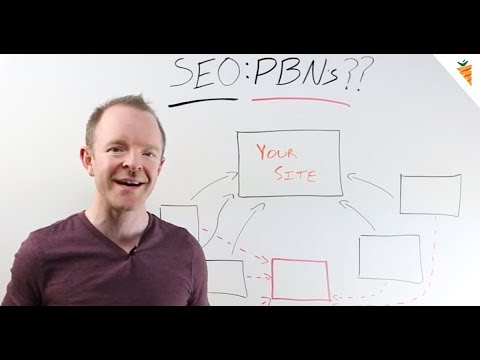
    In a nutshell, they purchase hundreds or thousands of expired/unused domains with a bit of SEO juice built from the previous owners. Then, they go to all these domains and plug a backlink to your website.

    After a bit, your website starts to rank, and you’re thinking, “Wow! These guys are awesome!”
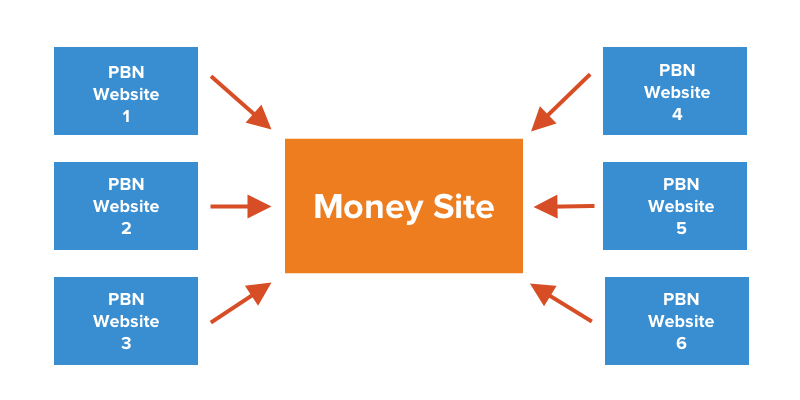
    PBNs

    Here’s the problem: PBNs cheat the system. Google explicitly says that using a PBN won’t only get the PBN company in trouble but also penalize your website.

    It’ll all be good and fine until Google finds out. And they almost always find out.

    Once they do, your website will take a massive dive in the rankings (or get banned from indexing altogether) – and recovering from that loss will be harder than trying to get a new website ranking (because you’ve lost Google’s trust).
    SEO Private Blog Networks (PBN's): The Pros and Cons

    2. Paying for Backlinks

    Paying for backlinks can be a bad idea for a few reasons:

    It can hurt your SEO: Search engines like Google frown upon unnatural link building practices. If they catch you buying backlinks, they might penalize your website, causing it to rank lower in search results instead of higher.

    Low-quality links can be worse than no links: Not all backlinks are created equal. Buying backlinks often means getting links from irrelevant or low-quality websites. These links won’t help your SEO and might even hurt your reputation.

    Wasted money: There’s no guarantee that the backlinks you buy will improve your rankings. You might be throwing money away on ineffective strategies.

    Unsustainable: Building backlinks naturally takes time and effort, but it’s a more sustainable strategy. Paid backlinks are often temporary, requiring constant reinvestment to maintain any SEO benefit.

    Risk of getting flagged: Google has sophisticated algorithms to detect unnatural link building practices. Getting caught can lead to serious penalties, harming your website’s visibility for a long time.

    Google explicitly says it doesn’t want people paying for backlinks, but this no-no has a caveat.

    If you’re going to pay for backlinks, pay for good white-hat backlinks — ones that come from real sites with real domain authority in Google’s eyes. And be very careful about buying cheap links from sites that promise quick and fast results.

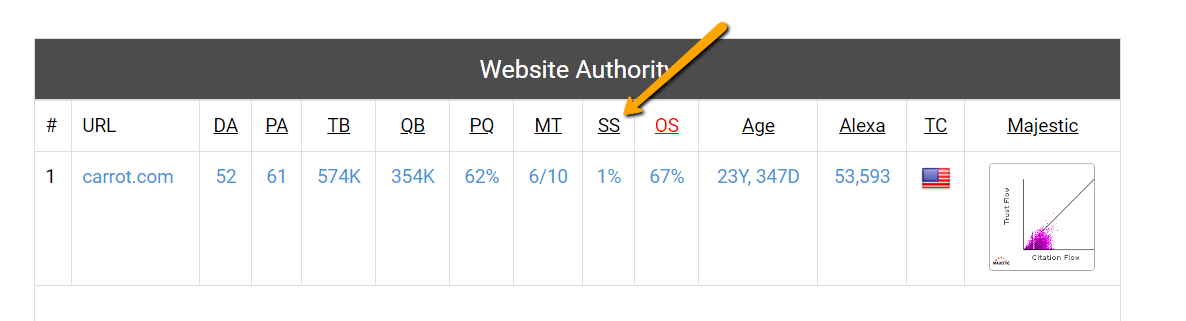
    You can check the SEO spam score of a website over here for free

    website authority score

    Ideally, your real estate backlinks should come from sites with low spam scores. Ask any SE firm you’re considering hiring how they build backlinks and where those links come from. That will tell you a lot about whether those links are high-quality.

    1. Backlink Analysis Tools:

    • Help you discover backlinks pointing to your website and competitor websites.
    • Analyze the quality and source of backlinks (authority, relevance).
    • Track the number of backlinks over time and identify any lost backlinks.

    Examples: Ahrefs, Moz Link Explorer, SEMrush Backlink Tool, Majestic

    2. Link Building Tools:

    • Help you identify link building opportunities.
    • Suggest relevant websites where you can potentially acquire backlinks.
    • May offer features like outreach management or content creation suggestions.

    Examples: Ahrefs, SEMrush Link Building Tool, BuzzSumo, BuzzStream

    3. Broken Link Building Tools:

    • Help you find broken links on relevant websites.
    • Allow you to suggest your own content as a valuable replacement for the broken link.
    • This can be a great way to acquire backlinks while helping the website owner improve their content.

    Examples: Check My Links, Broken Link Checker, Ahrefs Broken Backlinks report (part of their Backlink Analysis Tool)

    4. SEO Suite Tools:

    • Offer a comprehensive suite of SEO tools, including backlink analysis, keyword research, on-page optimization tools, and website crawling capabilities.

    Examples: SEMrush, Ahrefs, Moz Pro

    Important Note:

    • Some of these tools are free, with limited features, while others require a paid subscription.
    • The best tool for you will depend on your specific needs and budget.

    Additional Tips:

    • Focus on building high-quality, natural backlinks from relevant websites.
    • Avoid buying backlinks or participating in link schemes, as this can hurt your SEO in the long run.
    • Combine backlink building with other SEO strategies like creating high-quality content and optimizing your website for relevant keywords.

    How to Track Your Rankings (Pay Attention to These 3 KPIs!)

    You can build real estate backlinks and drive traffic to your website until you’re blue in the face, but if you don’t track your progress and the results of those actions… then, well, it’s hard to know if all that hard work has been worth it.

    So here are the primary KPIs you’ll want to pay attention to and exactly how you can track those KPIs…

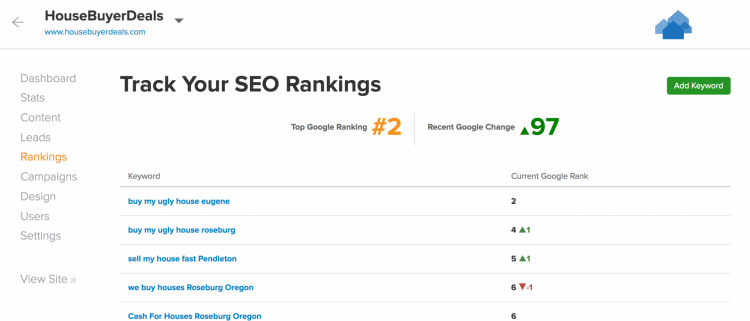
    • Target Keyword Rankings — When discussing SEO, this is the first thing you should pay attention to. Is the page you created ranking for the phrase you want it to rank for? Is it fluctuating up or down the rankings? As a Carrot member, you get access to our easy-to-use keyword ranking tracker that will alert you to any recent fluctuations in position.
    real estate keyword tracking tools
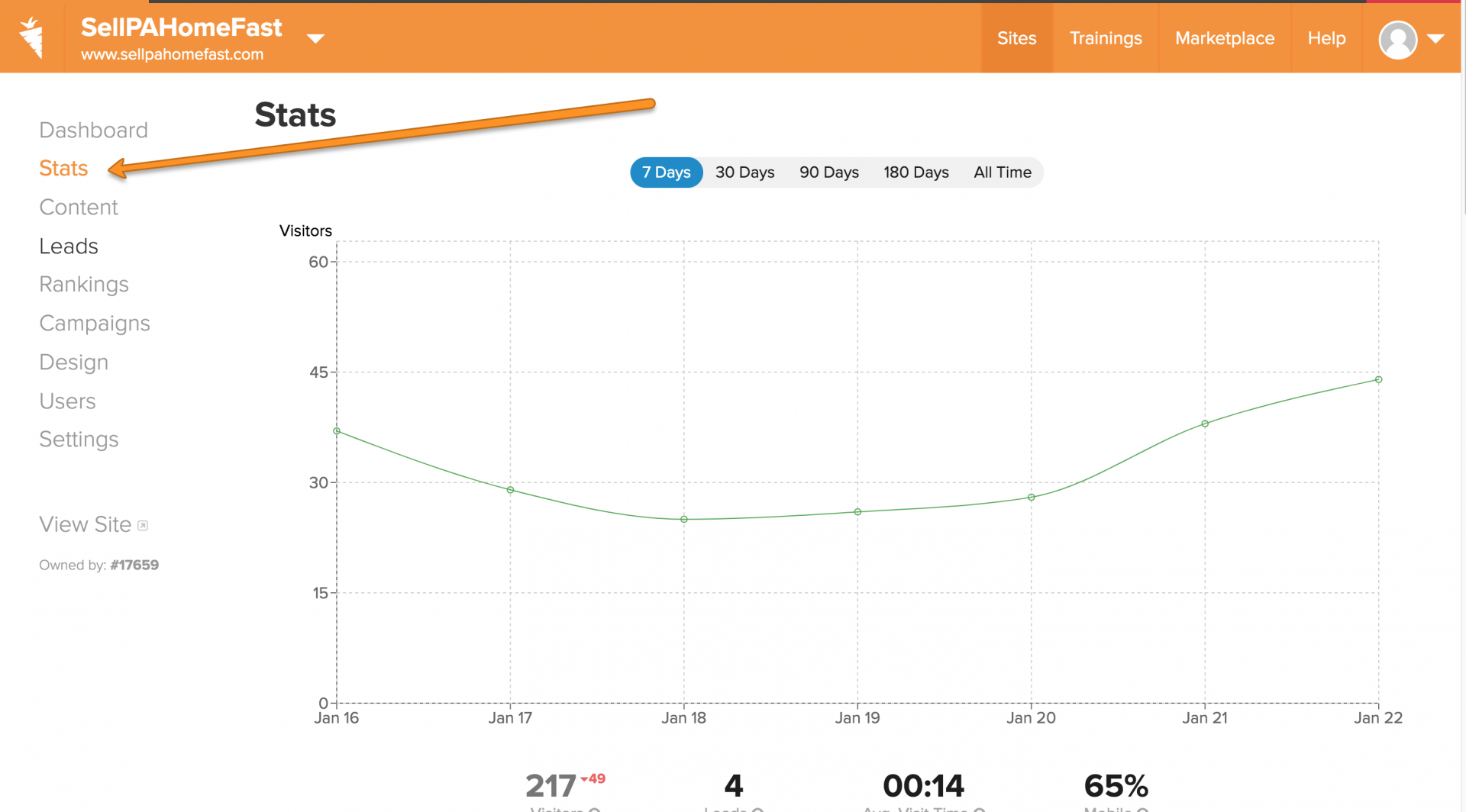
    • Page Traffic Volume — Page traffic is an important element of SEO progress because 1) more traffic typically means better rankings, and 2) well… more traffic is an excellent thing for lead generation. The easiest way to watch website traffic as a Carrot member is right inside your dashboard’s “Stats” tab…
    real estate keyword stats

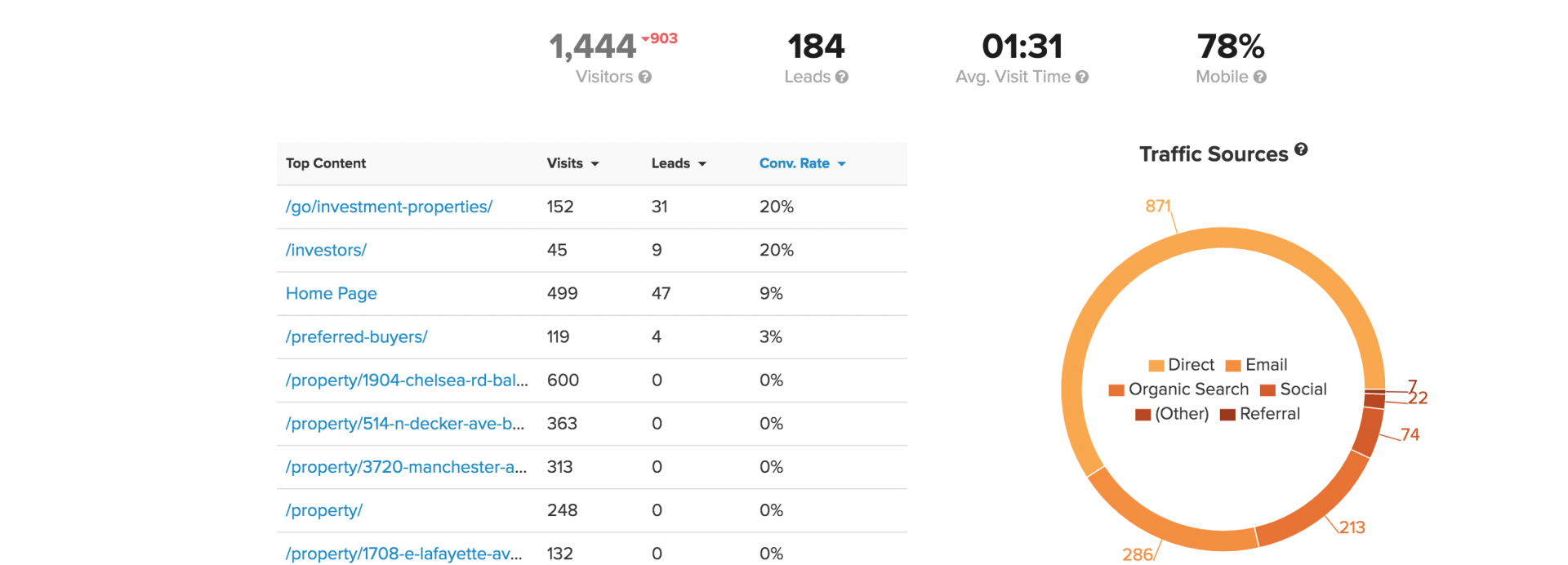
    Scroll down to see how much traffic each page of your website gets and even where all that traffic is coming from.
    real estate keyword traffic sources
    • Page Conversion Rate — This is the end goal, right? If you build backlinks and promote content, even if you drive traffic to your website, but those visitors don’t convert into leads, what’s the point? You should expect at least a 2% conversion rate from your blog posts and 10% from your homepage. If your conversion rate is lower than that, check out this article. To check your conversion rate as a Carrot member, go to your “Stats” dashboard, scroll down, and look at the “Conv. Rate” column.
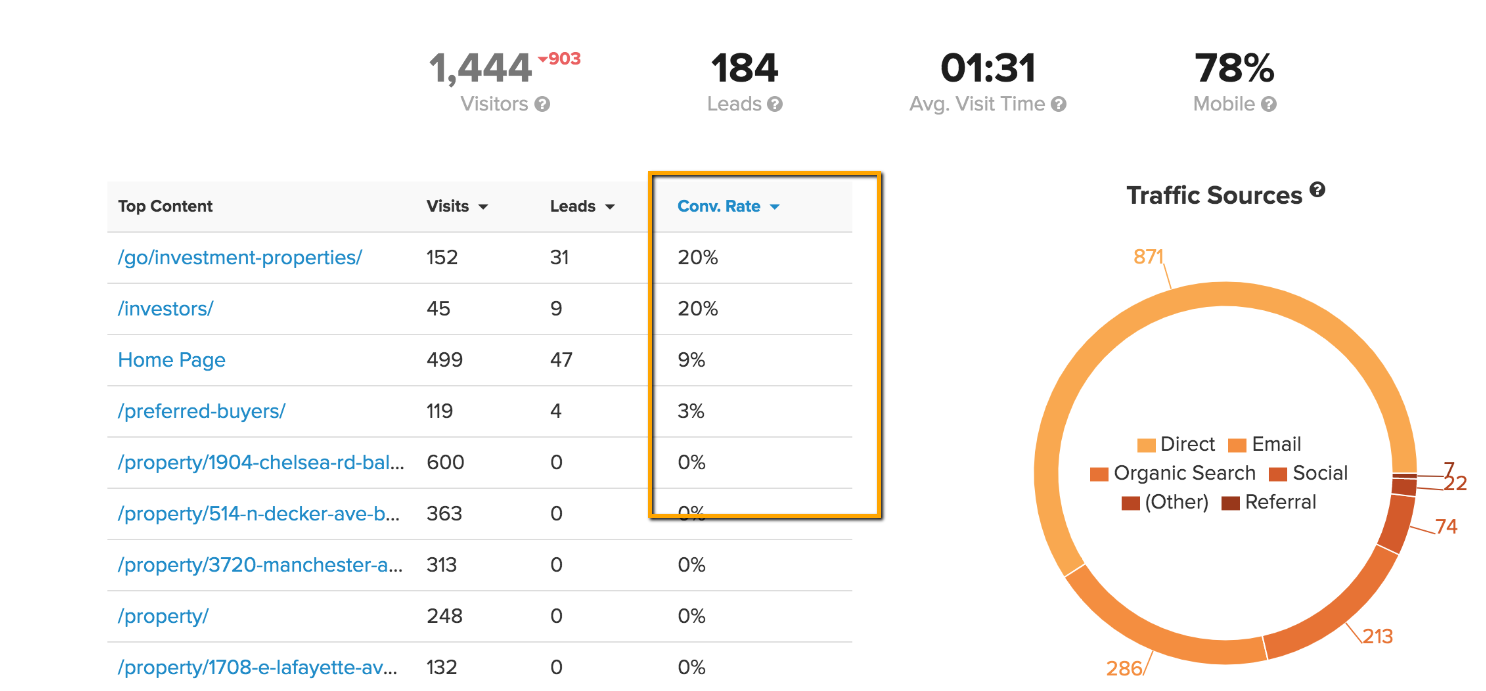
    real estate website conversion rates

    Now that you understand what KPIs to monitor for your SEO efforts let’s discuss how to promote your content and get backlinks!

    Conclusion

    There you have it!

    You should now understand how to build your SEO rankings with real estate backlinks and content promotion.

    If you have any more questions, feel free to ask them in the comments, and we’ll help you out however we can! Good luck!
  • That’s a Wrap! 2019 Carrot Year In Review

    Here’s to you Carrot members! You had an amazing year. Here’s a brief snapshot of some of the stories and things that happened in 2019.

    It was another exceptional year for our Carrot members and another year of growth for our team and company. With the intention of amplifying our members, we use our Mission… “Add humanity to business and help people regain time for the things that matter.”

    Let’s recap some of the cool stuff in this quick post!

    2019 Carrot Review

    Carrot members crushed lead generation

    We launched many NEW Features for our members

    It was another year of giving… when all said and done, Carrot will have donated close to $40,000 to different charities

    The CarrotCast Podcast continues to inspire

    Our team grew by 10 again this year as we continue to innovate and be leaders in our industry as well as in our communities.

    … and more!

    Here we go!


    Hundreds of Thousands of Leads … You’re Crushing It!

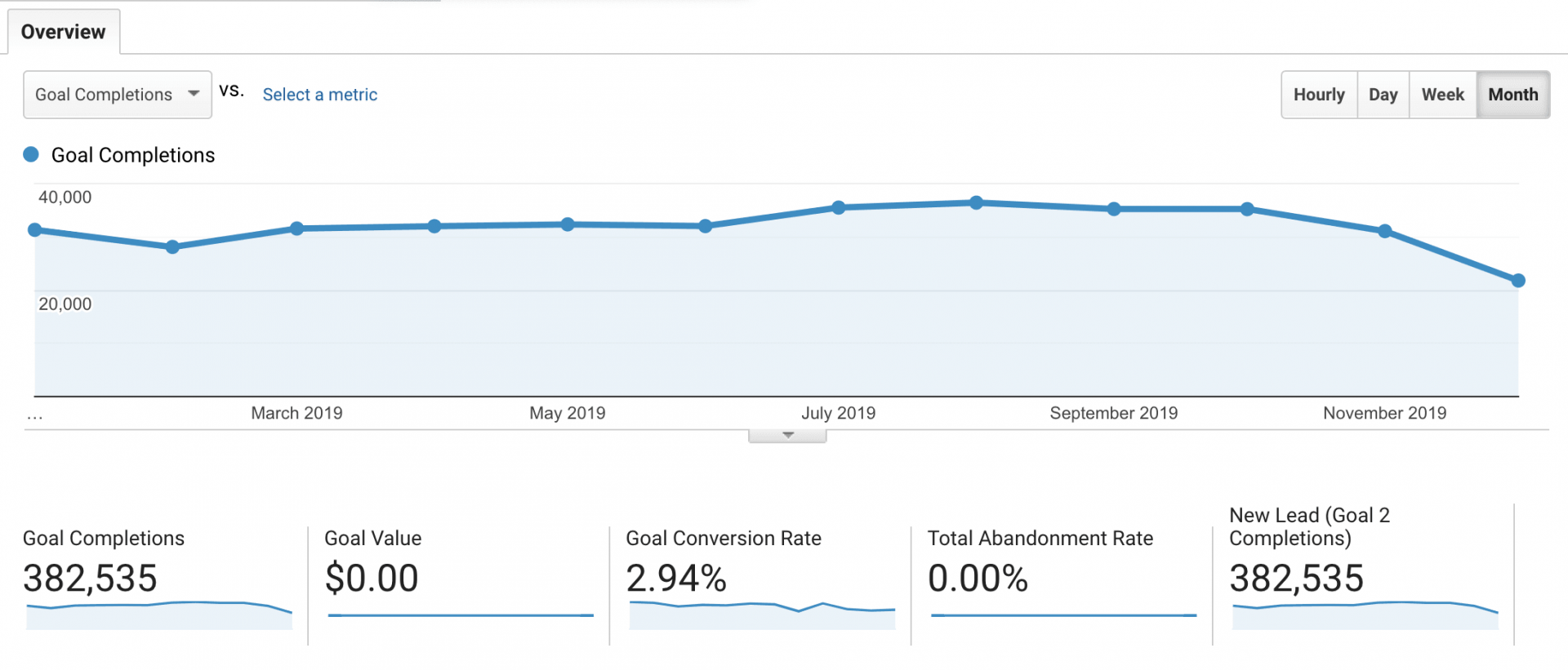
    Our member’s lead numbers increased in 2019. With over 382,000 leads (as of December 22) coming in this year. We also DON’T count phone call leads… which we can’t track in Google Analytics currently. You’re pulling in more AdWords, SEO, Facebook, and social media online leads as a collective group than any other real estate investor and agent lead generation platform… by far. Keep crushing it!

    Carrot Members Leads in 2019

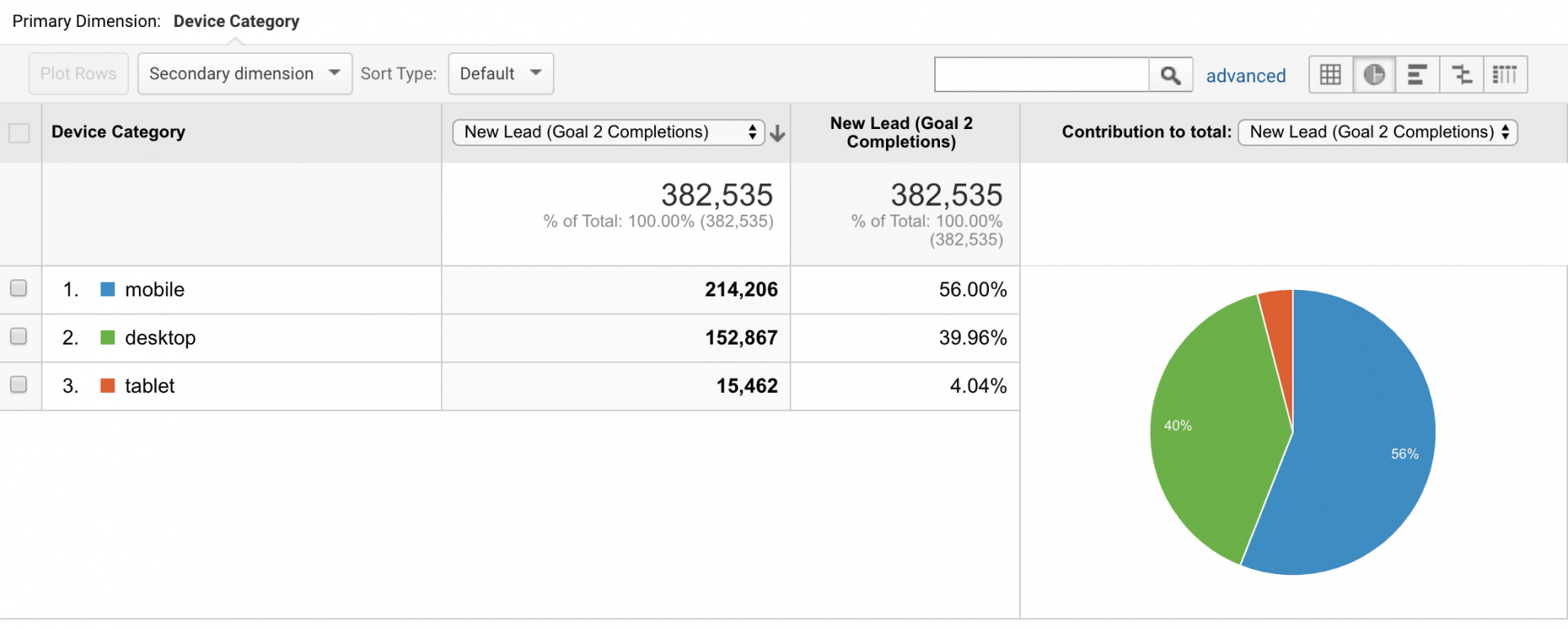
    56% of Leads Came From Mobile Devices

    56% of Carrot member leads from mobile

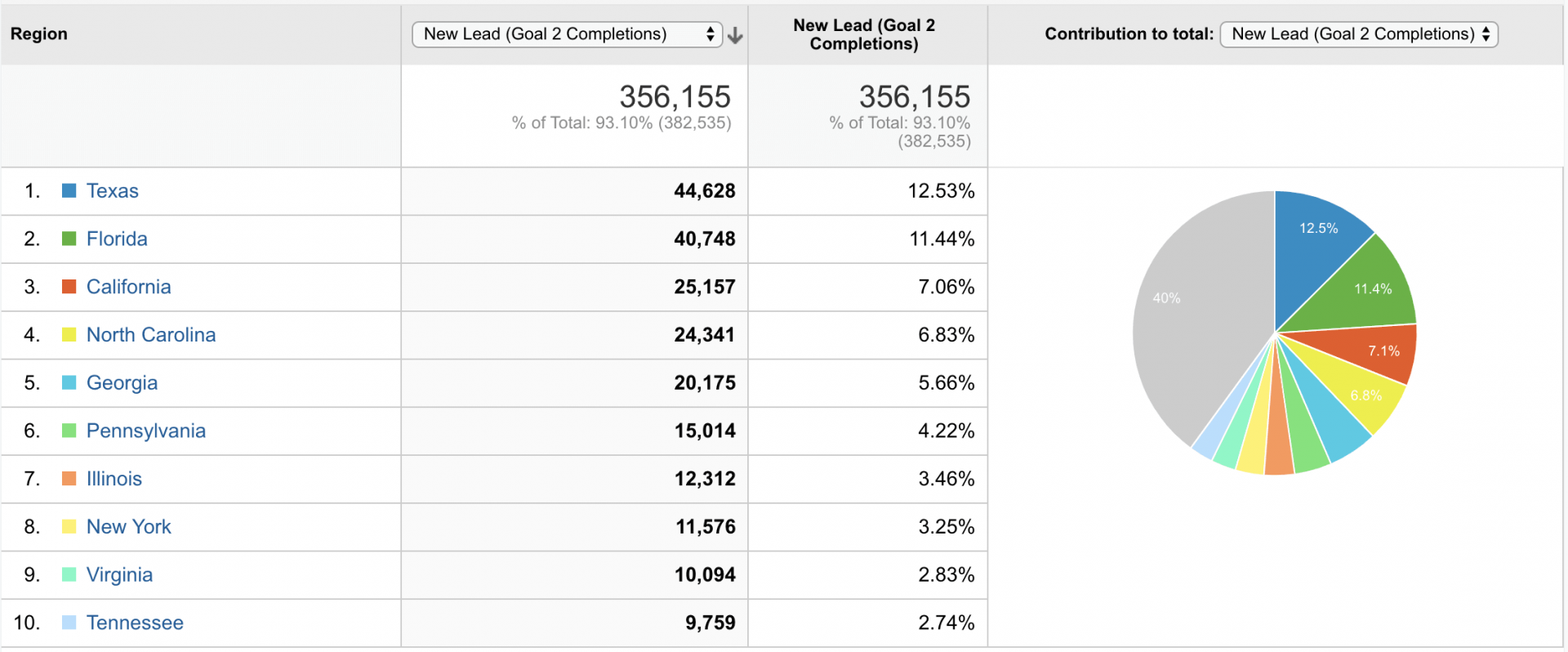
    Which States Converted the Most Leads? Well…

    2019 Carrot Member Leads By State

    Carrot Member Completions (Leads) Per State – Top 10

    Texas reigns for the third year in a row as the top lead volume state in 2019. Compared to 2018, Missouri and Michigan fell from the top 10 and were replaced by New York and Tennesee.


     Major NEW Features Launched in 2019

    Core Value of ours is “Consistent Improvement and Innovation“… and both our members and Carrot continue to push this value. In addition to the features we released in 2019, we helped our members spend more time focusing on their business.

    Here is a look back on some of the features our AMAZING team rolled out in 2019 (but not limited to)…

    All of these while keeping our member’s needs in our focus.

    Carrot visual editor

    New Visual Editor

    Carrot Aspen Design

    Coming Soon! The All-new Aspen Design


    We Knew Carrot Was Fast, But Not This Fast!

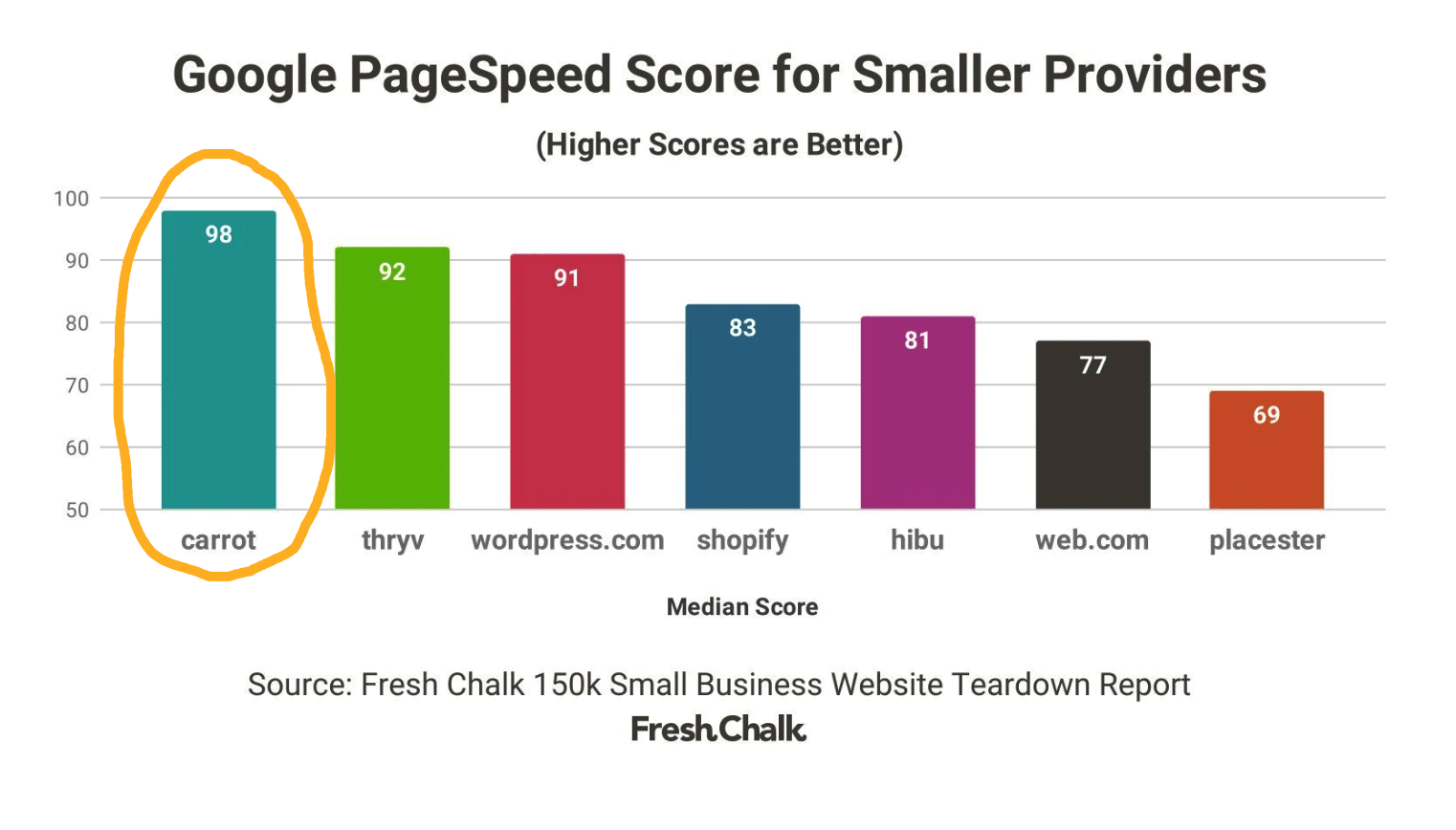
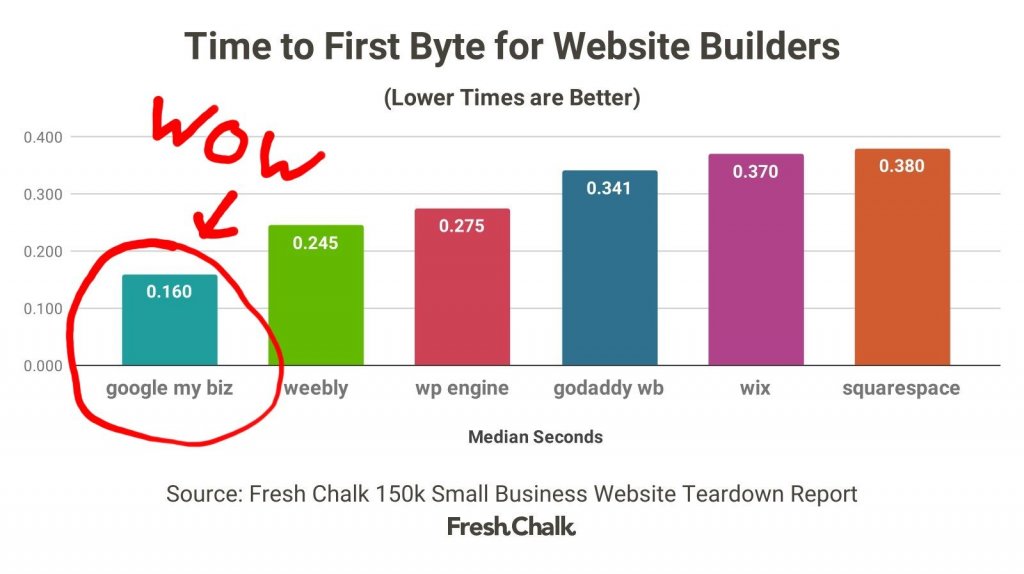
    Fresh Chalk analyzed 150,000 small business websites with the end-goal of determining which website builders offer the highest performing tech stacks.

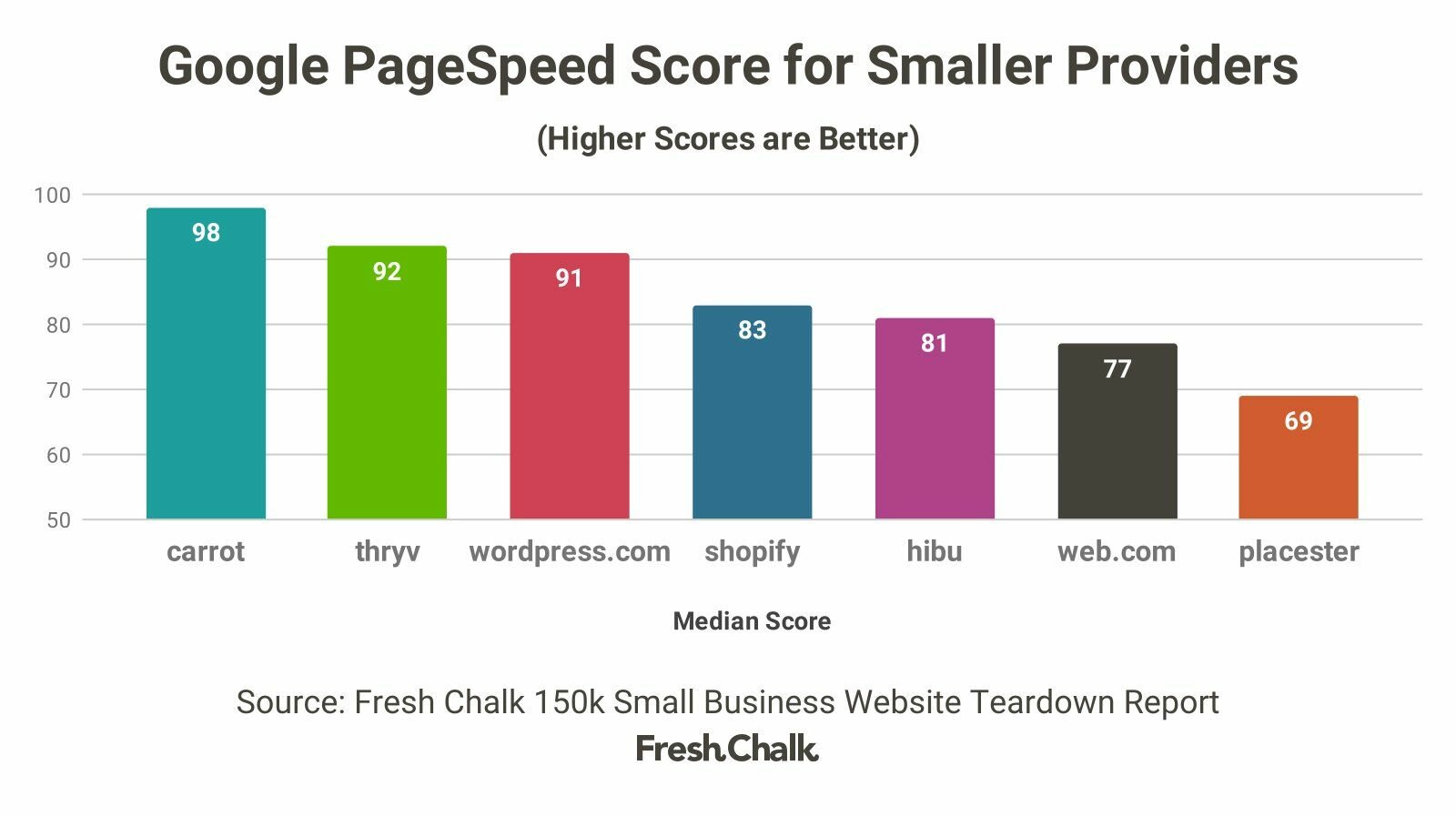
    They analyzed business websites across dozens of industries including real estate, and Carrot outperformed ALL other website builders, (except Google’s own Google My Biz websites) including Wix, WordPress.com, Placester, Shopify, Hibu, just to name a few!

    google page speed for small providers

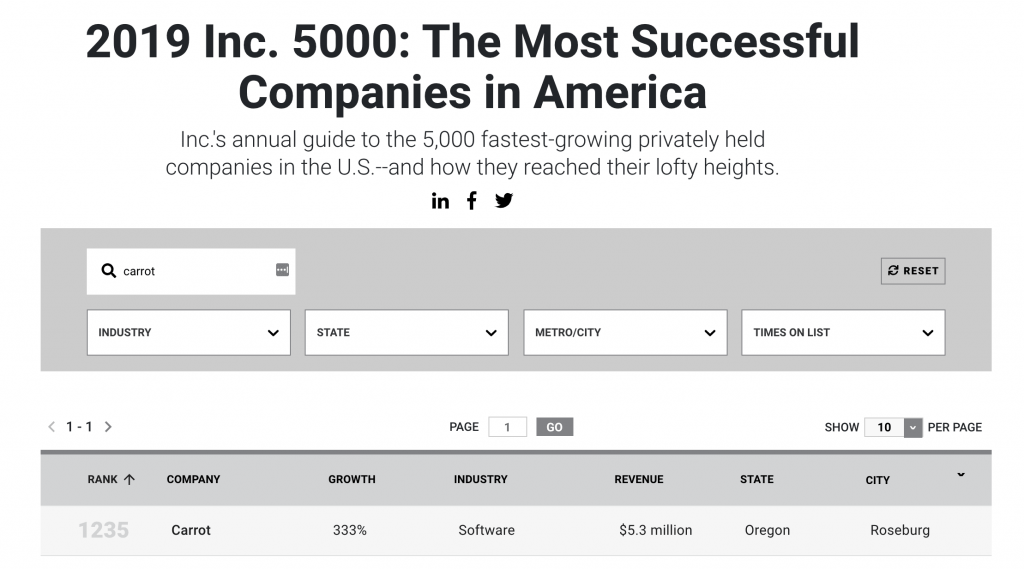
    We’re Honored Again – Carrot On the Inc. 5000 List for the 2nd Straight Year + MORE!

    This year we were placed at the 1235th fastest-growing company in the nation according to the Inc. 5000 list. Again, major kudos to the Carrot team and our members. We wouldn’t be here without an amazing product, team, and amazing members.

    Carrot was also featured in Outside Magazine as one of the best places to work in 2019!

    Outside Magazine best places to work 2019

    And… Carrot was recognized by the Portland Business Journal as #32 of the top 100 fastest growing companies in Oregon and southwest Washington.

    Carrot #32 on the Portland Business Journal Fastest Growing Businesses

    Top 5 CarrotCast Episodes of 2019

    The CarrotCast podcast had 307,000+ unique downloads in 2019. Here are the top five episodes of the year.


    Hundreds of “Doses Of Awesomeness” From Our Members

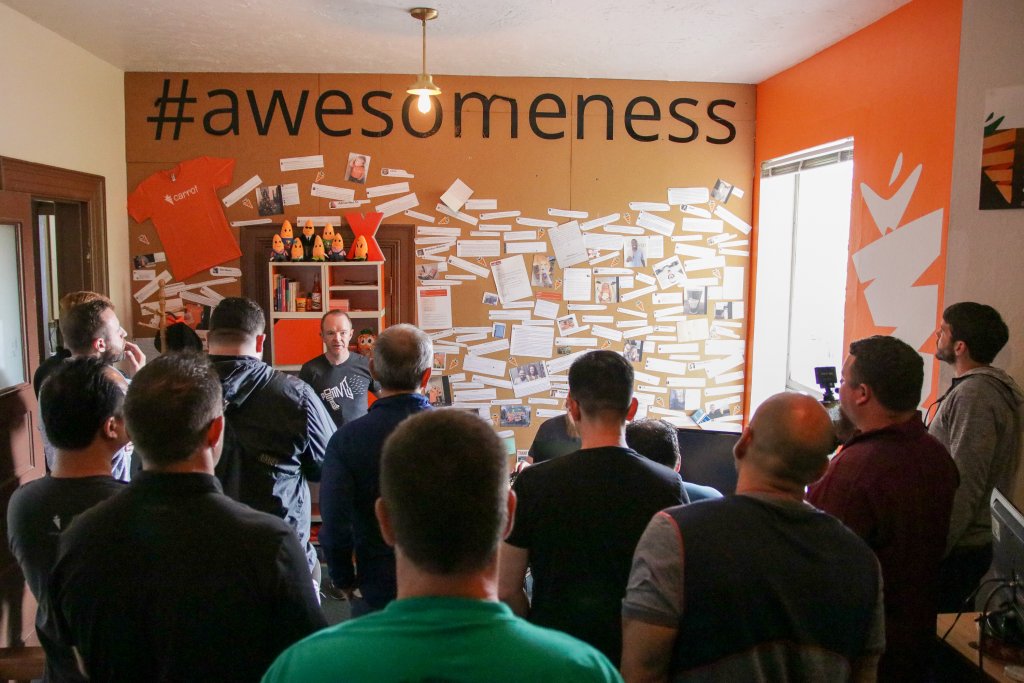
    Hearing amazing stories never gets old! We’re in business to change lives. So much that we have a dedicated #Awesomeness Slack channel.

    Here are just a few examples of notes we get each and every day… not counting the hundreds that happen that we never hear about!


    World-Class Net Promoter Score

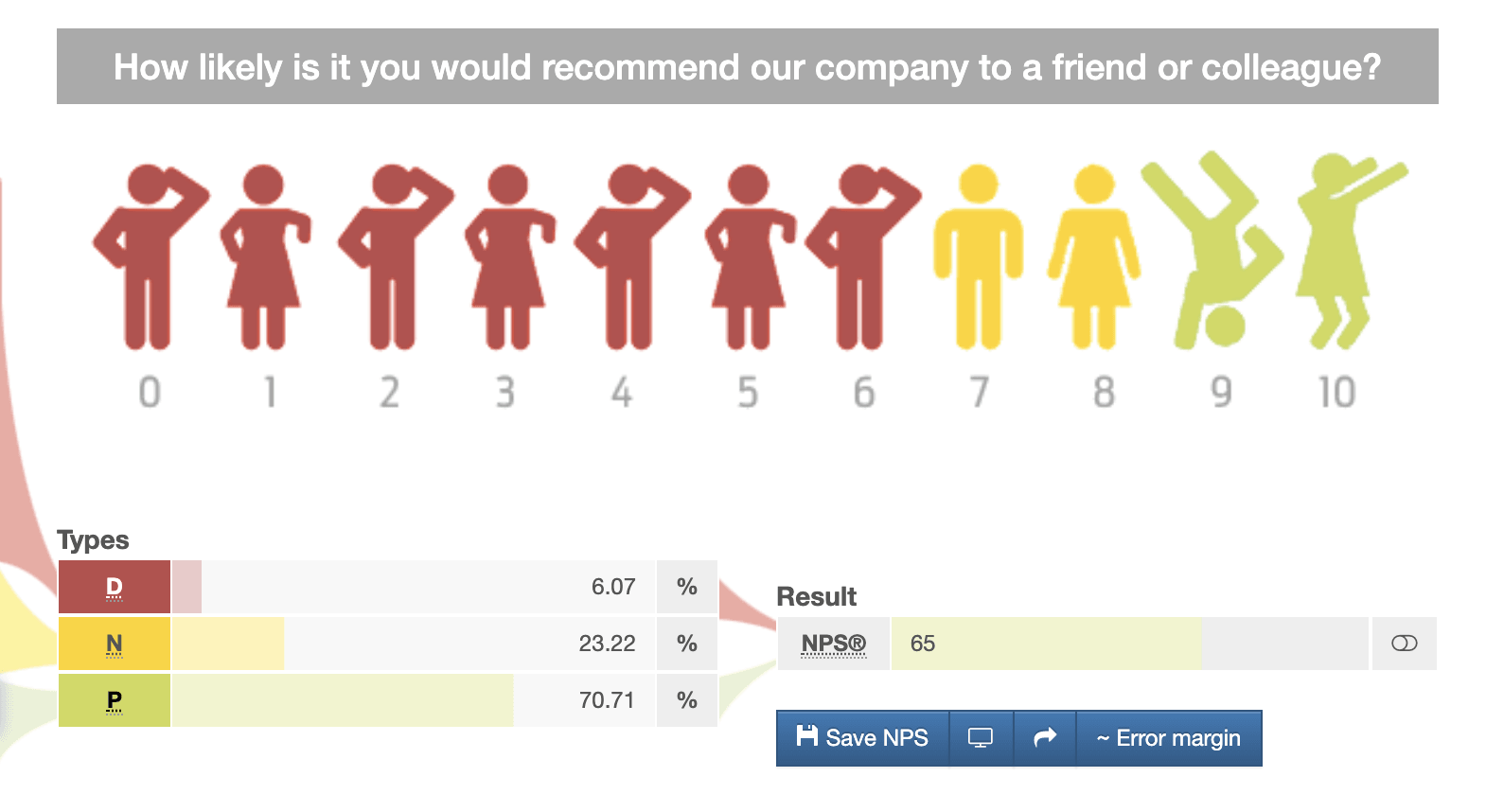
    How do you know if you’re providing value and happiness to your members? How do you know if you’re failing? By using “Net Promoter Score”. It’s basically a question that asks how likely you are to recommend Carrot to a friend or colleague.

    2019 Carrot NPS Score

    With thousands of responses in 2019, the majority scored us a 9 or 10… leaving us with an impressive NPS of 65%.

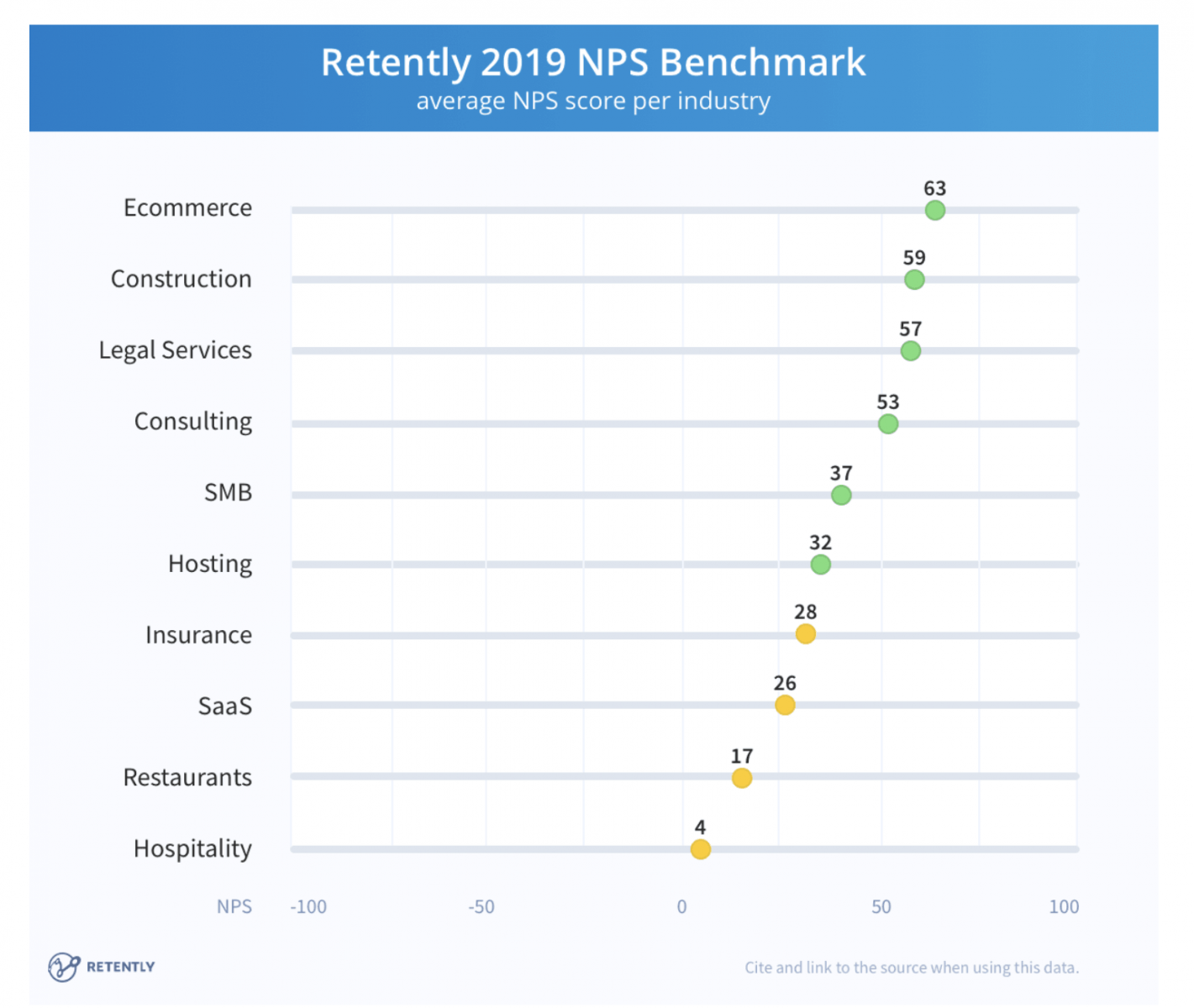
    To put that into perspective, SaaS companies account for a decent average score of 26.

    SaaS average NPS score

    Image Source: Retently

    One of our core values is to “Deliver WOW Through Great Service” we’ll continue to go all out in 2020 to make our members excited, happy, and successful, and to change the way people expect companies to serve them in the future after they experience service the “Carrot Way”.


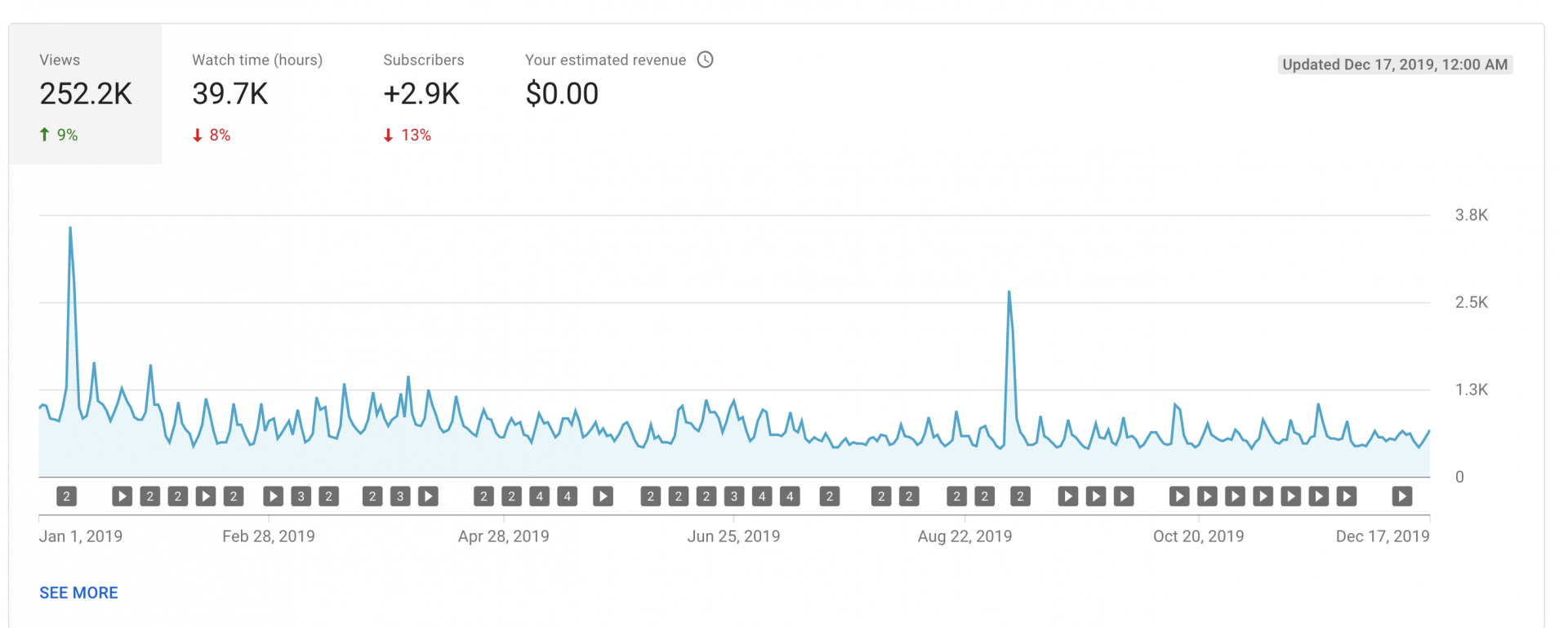
    We Added 2900 YouTube Subscribers and Accumulated Over 39.7K in Watch time hours!

    Carrot YouTube Stats from 2019

    Our favorite videos of the year…

    Create Real Estate Video Content in Under 10 Minutes with Carrot's VideoPost
    Building a $1M+ Wholesaling Business | Max Maxwell’s Keys to Success
    Journey From Day Job to $100k/year | Every Single Step To Closing 8 Deals in One Month w/Keith Sant
    What Makes An Excellent Executive Assistant? Behind The Scenes A Day In the Life...
    How New Real Estate Investors Can Get Leads Online And Close Your First Deals with Investor Carrot
    From Rock Bottom to Wholesaling Empire | How Dave Brown Makes Over Five Figures a Month with Carrot

    Two Carrot Team Retreats + Growing Our Team…

    Carrot Team First Retreat 2016…

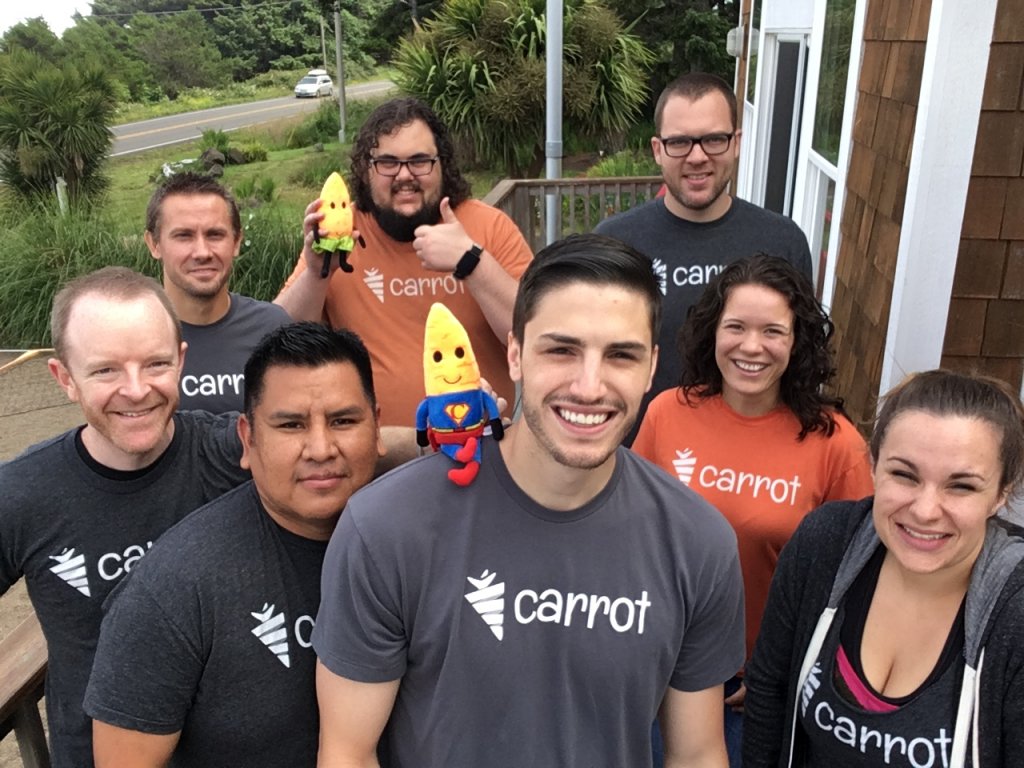
    Carrot Team Retreat 2019!

    The Carrot team grew by 10 this year as we continue to innovate and be the leader in our industry. Our winter retreat again took place in beautiful, Sunriver, Oregon. Next, hit the waves. Well not quite. For the summer retreat, we enjoyed the coastal breeze of Lincoln City, Oregon.

    Retreats are a great way to pull back, celebrate wins, and deep dive into high-level planning for the future.


    CarrotCamp (Spring and Fall 2019)

    Since it’s inception in 2017, CarrotCamp has been a success for our members. It’s not just a workshop or seminar, nor is it a retreat.

    CarrotCamp is designed to be more like an immersive experience. We deep dive into the campers’ world. We allocate time to unplug and get out of the office and into nature. It’s also time to work with the Carrot team to get massive things done to uplevel business. All the while building relationships with other high-level real estate entrepreneurs that will hopefully last a lifetime.

    Thank you again 2019 CarrotCampers!

    Be on the lookout for CarrotCamp 2020 Editions. Kicking off May 2020. Learn more about CarrotCamp.


     What An Amazing Year. And We’re Grateful To Have You On This Journey With Us.

    How Was Your Year? 

    How was your 2019? Let us know below in the comments section. The amazing, the fair, and the awful 🙂

    Also… want to fire up your 2020 and get momentum building?

    These 2 resources are the most shared and commented we’ve ever made. They can change your life…

    Thank you for all you do and for inspiring us every day to do great things.

    Chat with you in 2020!

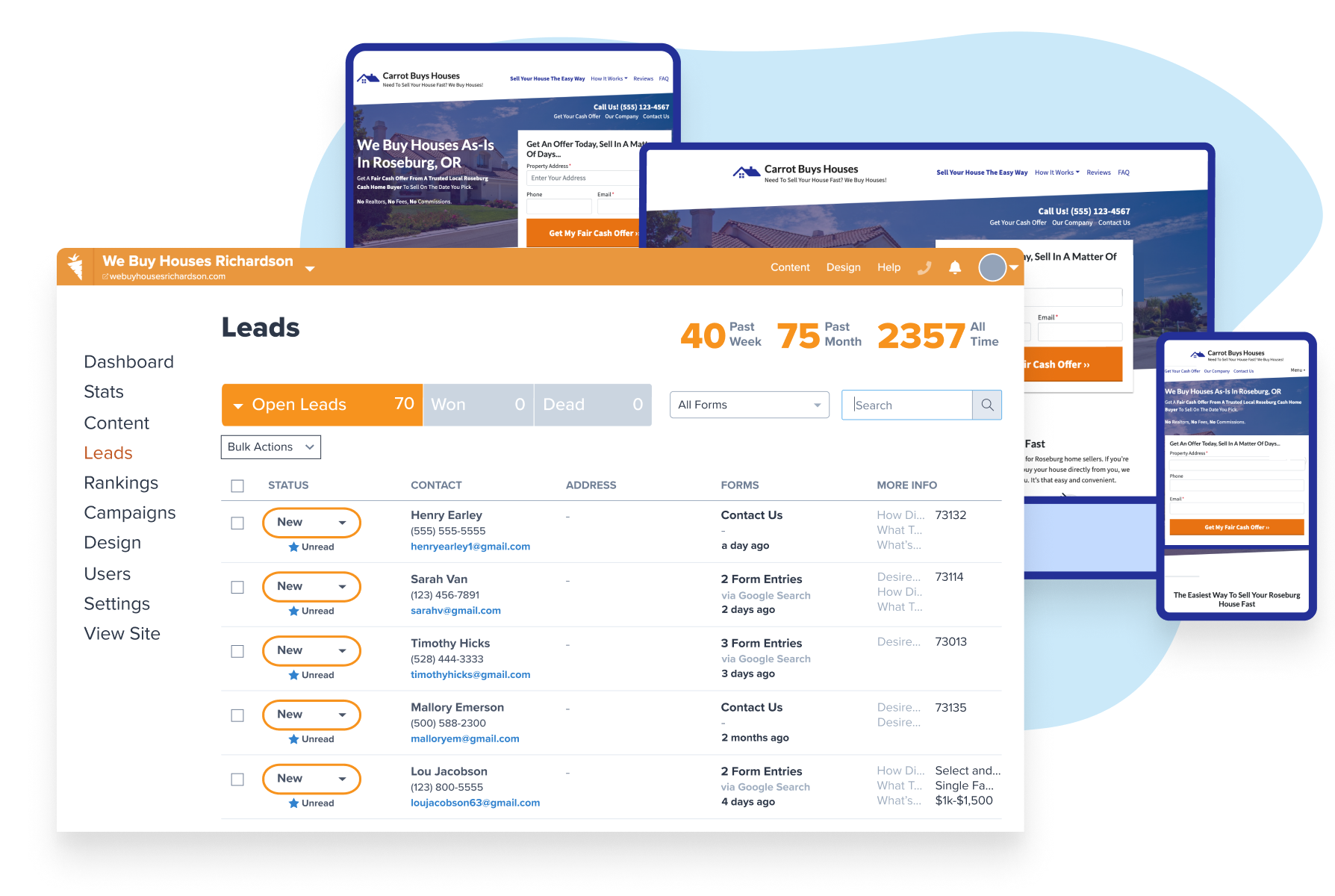
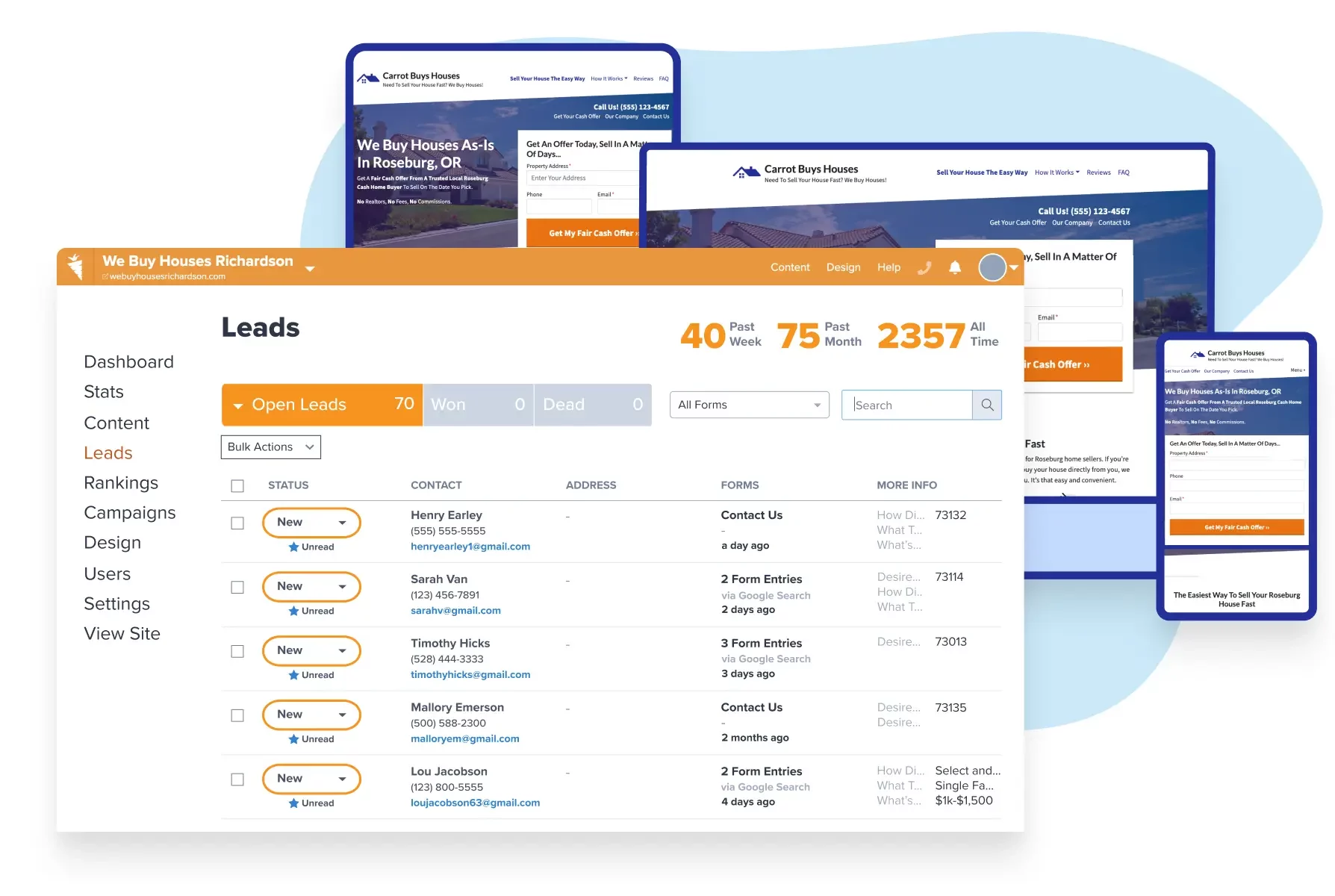
  • It’s easier, faster, and more powerful. Say hello to the Visual Editor

    Carrot Visual Editor

    The power of Carrot + the simplicity of a drag-and-drop editor!

    document.addEventListener(‘DOMContentLoaded’, function() { jQuery(window).scroll(function() { if ( jQuery(document).scrollTop() > $(‘#carrotToast’).offset().top && jQuery(“.carrot-toast”).attr(“displayed”) === “false”) { jQuery(‘.carrot-toast’).toast(‘show’); jQuery(“.carrot-toast”).attr(“displayed”, “true”); } }); });

    Almost 6 years ago, we founded Carrot based on a single huge frustration in the market. The traditional website builders were built to launch and edit a site easy, simple, and cheap… but they all sacrificed the most important thing to you.

    Performance and results.

    That means getting more qualified people to your website, converting them into motivated leads at a higher rate, plus building trust and authority. Hence, they want to work with you over your competitors.

    Performance & Results or Easy Editing? The Choice…

    Like anything in life, there are trade-offs. The “big” low-cost website builders out there (think Wix, Squarespace, and WordPress themes) chose to go all-in on “ease of use” and sacrifice performance for their clients. You’d save a bit of time, but it could cost you tens of thousands of dollars (or more) in lost revenue from underperformance.

    At Carrot, from the beginning, we’ve gone all-in on performance and, until now… had to choose to limit your ability to have an easy, drag-and-drop editing experience on your websites.

    Over the years, our members have raved about the results Carrot has helped them get.

    1. You control MORE top Google rankings than any other system in the real estate industry for phrases your best prospects are typing every month.
    2. You’ve converted over 3 million inbound online leads from your websites.
    3. And you enjoy the fastest website platform in the industry.

    And today, we’re proud to introduce that now you can enjoy all of the performance the Carrot platform is known for with the visual editing experience of a slick drag-and-drop editor.

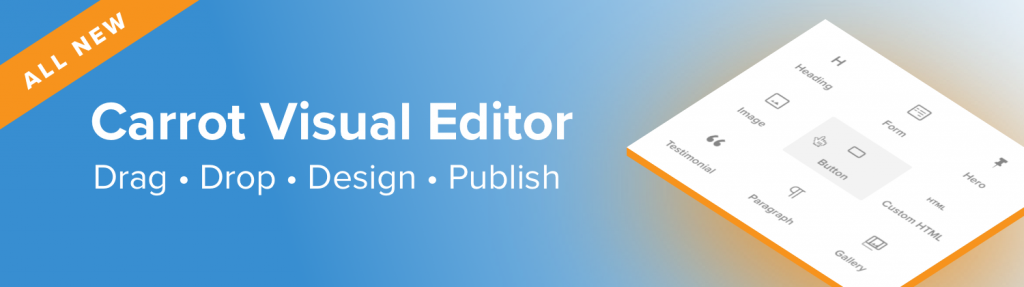
    Introducing… the all-new Carrot Visual Editor

    Carrot Visual Editor Adding Credibility to Your Real Estate Website


    This is where it gets exciting! The new Visual Editor offers a simple way to create, edit and add content to your posts and pages without sacrificing the performance you expect from your Carrot site.

    Once you get the hang of it, [the Visual Editor] makes customizing the site a breeze! Saved me so much time as compared to the original format.

    – Tyrone T. (Advanced Marketer Beta user)

    What will the new Visual Editor help you do?

    I’m glad you asked 🙂

    A few benefits you’ll enjoy with this powerful FREE upgraded Visual Editor include…

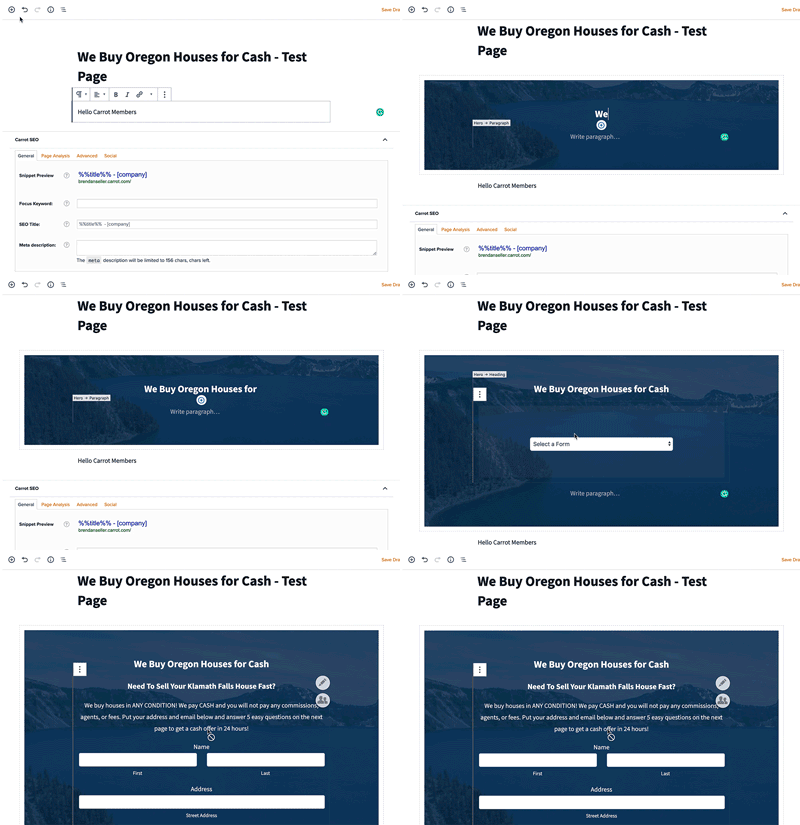
    • No more switching back and forth from editor to page – now see all of your edits in real-time, including your hero section, forms, and more!
    • Use Drag and Drop tools to easily create and edit pages with movable and reusable content blocks!
    • Make your website stand out visually without having to use any fancy code.
    • Enjoy the new “Full-Screen Mode” to have the most beautiful, clean, and simple editing experience possible… without the distractions (try this mode, you’ll love it!)
    • SEO Grader updates: 1) Your SEO grade for the page will update in real-time without you having to save the page, and 2) Now get SEO grades for multiple keywords for the same page! (this is huge)
    • No loss of page speed – yay!
    • … and more

    How does the Visual Editor work?

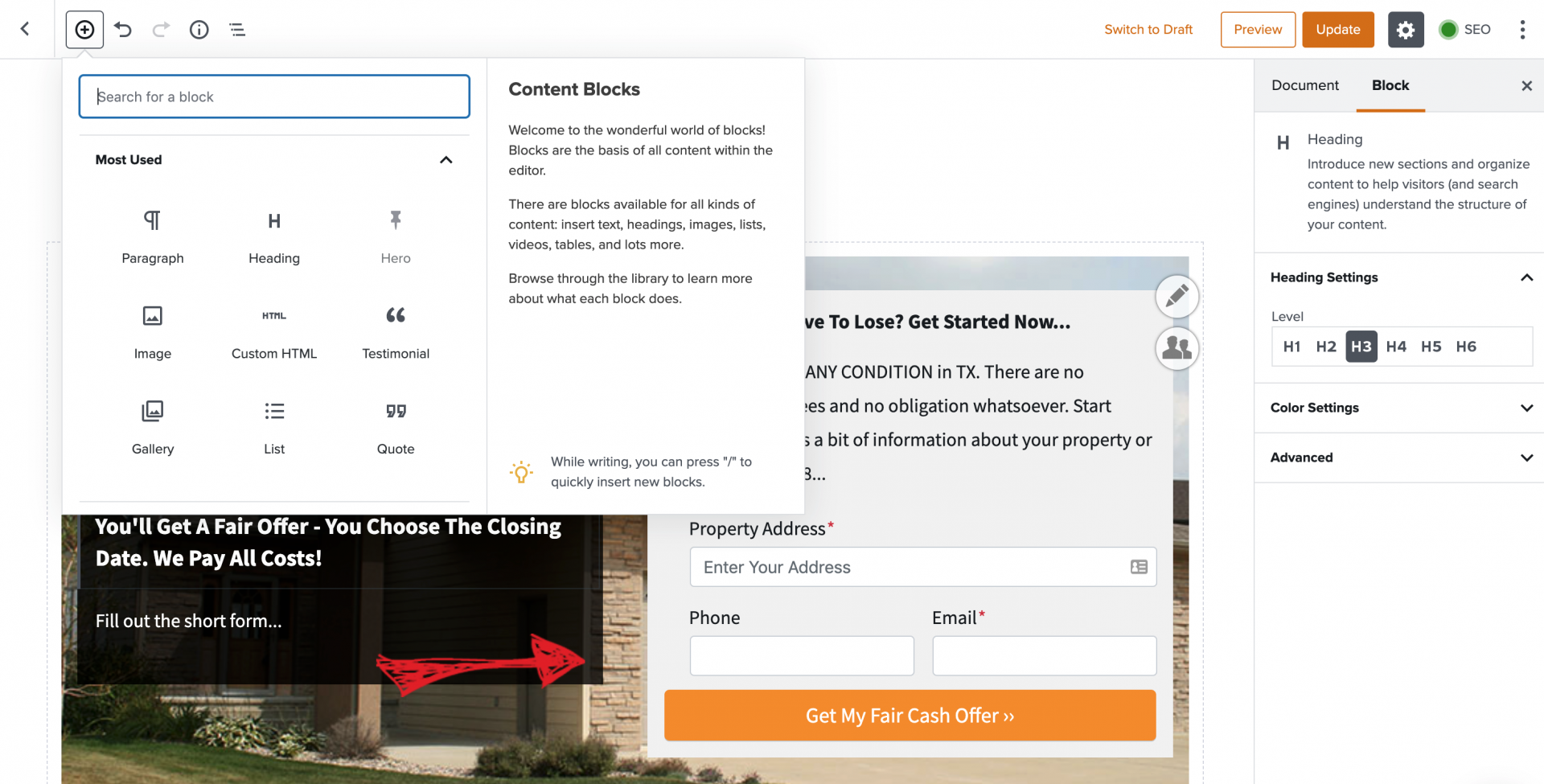
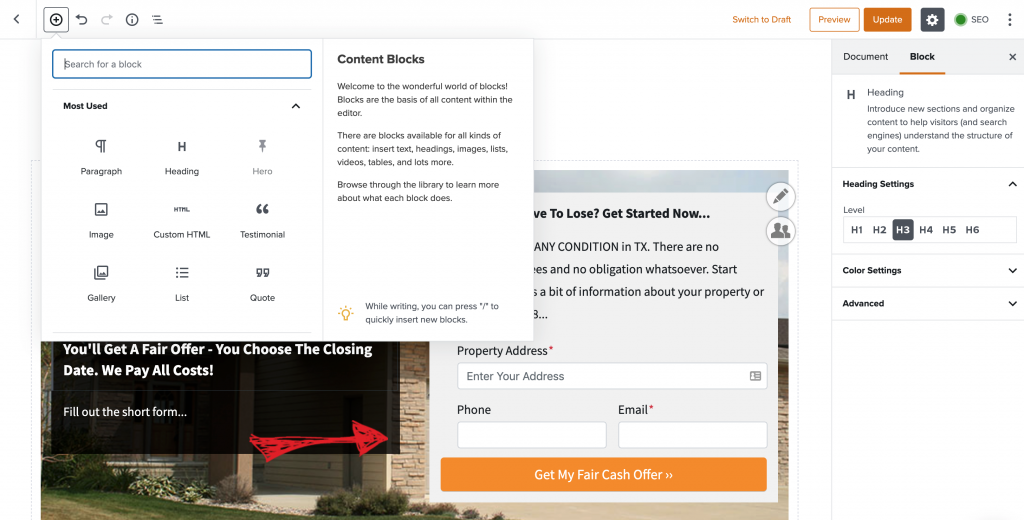
    The Visual Editor uses intuitive drag and drops content blocks to speed up the creation of pages and content within Carrot.

    You can now add blocks for headings, videos, paragraphs, images, tables, and so much more. There are also several pre-built blocks that are created specifically for your site.

    Blocks are portable, making it super easy to insert and rearrange any content. Plus, you can save your favorite blocks and use them again later.

    With the Visual Editor, you will be able to create and edit pages more quickly and see those changes in real-time right on the page! You can further customize your experience with full-screen mode – a personal favorite of mine. Give it a try when you have a chance.

    Using blocks to edit a website

    Check out the new Full-Screen Mode In Action! Clean eh?

    Bonus! Upgraded SEO Tool

    While we’ve been building you a state-of-the-art editing interface, we uncovered an opportunity to upgrade the SEO Tool – so we did that too! Our updated SEO Tool provides several nice benefits:

    • Smart auto-generated post descriptions
    • Rank better by auditing and updating your content with multiple keywords
    • New options for social sharing
    • And.. much more. If you’d like to know more about it read here!

    How do I start using the Visual Editor?

    Advanced Marketer members always get exclusive early access to new features, so the Visual Editor began rolling out to them a few weeks ago. The feedback and response have been amazing!

    “…the Visual Editor just flows so much better when making edits and new pages. I like the flexibility of the various blocks and formats which we can use to differentiate our Carrot site and cater to our personal look and feel while still keeping all the Carrot awesomeness!”

    – Shaun K. (Advanced Marketer beta user)

    Access is now in existing Carrot member accounts.

    This will be a completely new editing experience, so those comfortable with the old editor will likely experience a small learning curve. The Carrot Help Center has already been updated with tutorials and FAQs to help guide you as you make the transition.

    We are confident you are going to love this new editing experience! And we want your feedback! Members can contact our support channel for help, provide feedback, and ask questions.

    Here’s to amazing future innovations to help you stand out, build authority, and grow a business that helps you get more freedom, flexibility, and finances… so you can make a greater impact.

    – Trevor and your friends at Carrot

  • Study of 150,000 Websites Finds Carrot Outperforms Wix, Squarespace, WordPress + Many Others

    Fresh Chalk analyzed 150,000 small business websites to determine which website builders offer the highest-performing tech stacks. Spoiler alert: Carrot outperformed them all!
    document.addEventListener(‘DOMContentLoaded’, function() { jQuery(window).scroll(function() { if ( jQuery(document).scrollTop() > $(‘#carrotToast’).offset().top && jQuery(“.carrot-toast”).attr(“displayed”) === “false”) { jQuery(‘.carrot-toast’).toast(‘show’); jQuery(“.carrot-toast”).attr(“displayed”, “true”); } }); });

    Key Takeaways

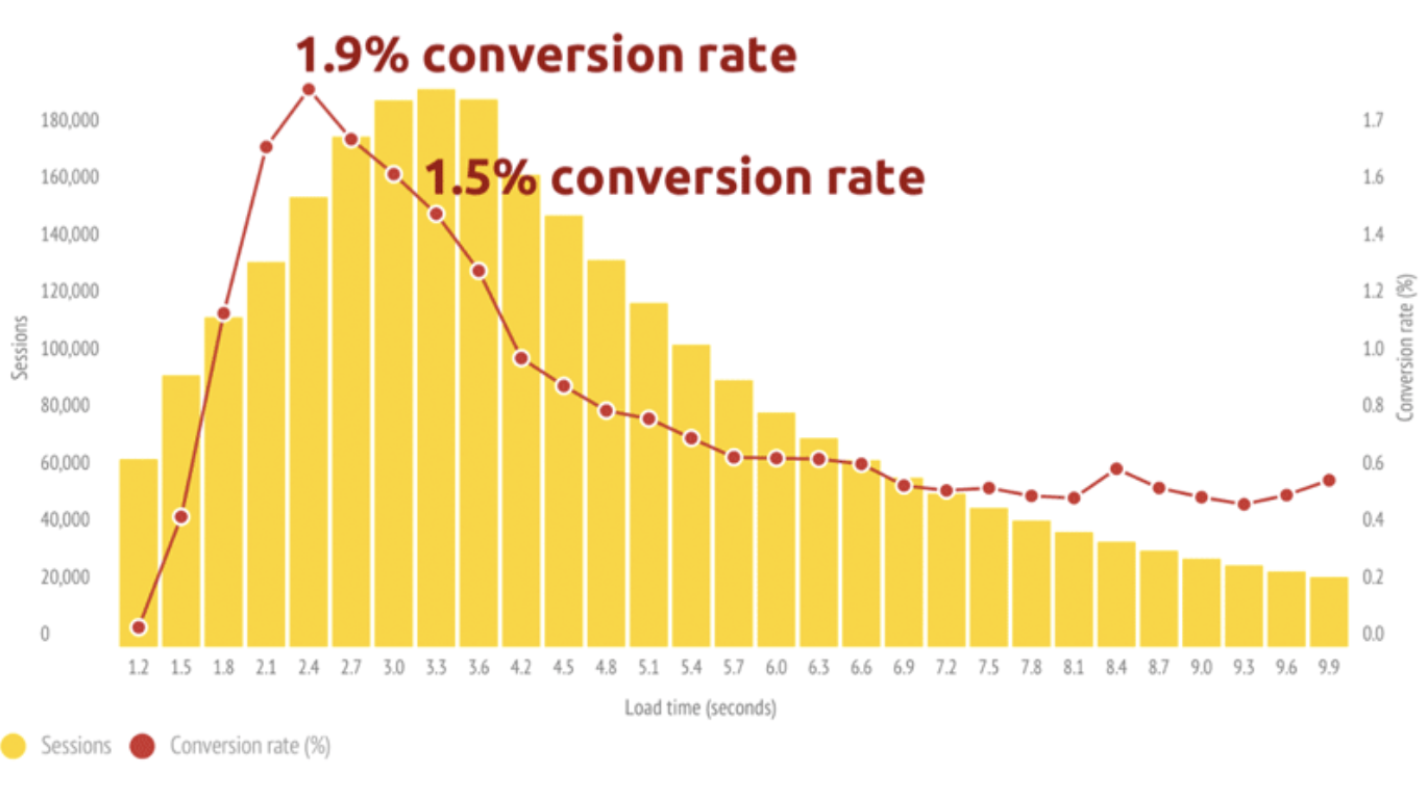
    • Google looks at site speed as a great (or not-so-great) indicator to the user experience. Those experiences heavily impact where your site ranks in Google searches! (Check out the conversion rate chart below!)
    • Carrot crushed the competition in FreshChalk’s study for page loading speed, scoring 98 out of 100!
    • Some of the largest website builders create ineffective, slow websites.

    If you want to understand how page speed and other tech elements impact your website’s performance, conversion rate, and search ranking, read on!

    Table of Contents

    1. Fresh Chalk’s Study
    2. What’s a ‘tech stack’, and why should you care?
    3. Q&A with Trevor, CEO at Carrot and Adam Fresh Chalk founder
    4. The (Other) Carrot Difference

    Carrot icon
    Lead generation, at its best
    Attract, convert & close more motivated leads
    Try Carrot Today

    Fresh Chalk’s Study

    Fresh Chalk analyzed business websites across dozens of industries, including real estate, and Carrot outperformed ALL other website builders (except Google’s own Google My Biz websites) including Wix, WordPress.com, Placester, Shopify, Hibu, just to name a few.

    Carrot’s time to first byte was recorded at 0.189!!!

    (Image Source)

    What’s a ‘tech stack’, and why should you care?

    When we mention Carrot’s tech stack, we’re referring to all the technical components continuously working in the background of Carrot’s high-performance Lead Generation Hub (aka your real estate website).

    While these tech elements might seem insignificant to your daily activities, you’d be surprised to know how much weight they carry in regard to your website’s overall performance, especially in lead conversion and SEO ranking.

    Page speed, for example, has a huge impact in both of these areas (as you’ll see more of in the interview below). In fact, Google’s core web vitals for page loading speed should be anything under 2.5 seconds as of 2022. Anything over that and your website’s conversion rate will plummet drastically…

    As for SEO, Google looks at site speed as a great (or not-so-great) indicator to the user experience. Those experiences heavily impact where your site ranks in Google searches!

    conversion rate

    Carrot absolutely crushed the competition in FreshChalk’s study for page loading speed, scoring 98 out of 100!

    This comes as no surprise either when we look at Carrot’s 2022 SEO and conversion data. Carrot websites have been proven to:

    • Outclass 92.5% of competitor sites in terms of Mobile Performance Score
    • Capture >50% of the top 3 Google search results for the keyword phrase “sell my house fast.”

    Convert all website traffic at a 44% higher rate than the real estate industry standard (with additional 2X higher rates for organic traffic)

    So Yeah… we were pretty darn excited about these results. 🙂

    To learn more about the research methodology behind this study, and why website page speed is so important, so we interviewed Adam Doppelt, founder of FreshChalk, who conducted the research. Here’s what he had to say.

    Q&A with Trevor, CEO at Carrot and Adam Fresh Chalk founder

    Q: What made you want to do this research project and how did you choose which 150,000 sites to use in your study?

    A: The idea emerged from a discussion with my co-founder Patrick. He crawled roughly 150,000 of the small businesses listed on Fresh Chalk to improve the contact information we display on the site.

    We were chatting about his project and came up with the idea… perhaps we should poke through the data and see if there was anything interesting lurking inside.


    Q: As you were digging into the data, you found which website builders were the most popular. Was there any correlation between popularity and performance?

    A: Market share and website performance don’t seem to be strongly correlated. Some of the largest website builders create ineffective, slow websites.

    I think this speaks to the power of marketing. I see this as a challenge and an opportunity. We need to do a better job of making our products fast and educating the world about the benefits of speed.


    Q: How important is page speed and time to the first byte when it comes to Google rankings in your study?

    A: Google has stated that page speed is a direct ranking factor in Google search results. Keep in mind that there are hundreds of factors that feed into Google rankings, so page speed is ultimately just one in a crowd.

    A terrible website won’t rank well even if it displays quickly.

    Certainly Google itself invests heavily in speed.

    There’s also a ton of evidence that improving page speed also benefits conversion rates, retention, and user happiness.


    Q: In the study, Carrot popped up on the radar, and while we host far fewer websites than WordPress or Wix, why did you include us in the report? What surprised you about the performance you saw on the Carrot sites in the study? How does Carrot stack up against the other website builders you found in the study?

    A: Carrot stood out in my results like a cheetah in a world of slugs. Carrot websites are just plain fast. I had to include them, just to show the world that it’s still possible to build great products that are still fast.

    By some measurements, Carrot sites are twice as fast as Squarespace. Consumers notice and convert better.

    By the way, I can tell you that Carrot’s median Google PageSpeed score was 98 as measured across 118 Carrot real estate websites.

    I didn’t have room for that in the report. Pretty amazing compared to the competition!


    Q: How does page speed and time to first-byte impact search results?

    A: Speed definitely has an impact. Time to the first byte isn’t itself a ranking factor, though it feeds into Google’s PageSpeed metric.

    It’s my opinion that Google uses the PageSpeed number verbatim as the ranking factor. I doubt they built two separate speed ranking systems.


    Q: Seeing how the only website builder that beat Carrot was Google’s own websites, can you place a dollar amount or value on the tech stack or speed people are getting when using Carrot?

    A: Google My Business sites are fast because they are simple and get to piggyback on all the other infrastructure that Google built for their data centers and search products.

    My guess is that it would be nearly impossible for them to speed up those sites without a huge amount of effort!

    There is also a ton of research showing that fast websites convert better than slow ones.

    For example, in 2017 Google concluded that 53% of mobile visitors leave a page that takes longer than three seconds to load.

    Can you imagine losing half your sales just because you picked Wix instead of Carrot?


    Q: For the future of small business, how important do you feel it will be to focus on performance with their website to stay competitive with others in their market?

    A: Users, in general, are intolerant of slow websites. If I remember correctly, one study a couple of years ago showed that users would exit after a few seconds spent waiting for slow websites.

    Speedy websites help users feel that the businesses behind those websites are active and in touch with consumer demands.

    It’s our responsibility to make sure that websites are fast even when running on pokey cell networks. It’s incredibly important!


    The (Other) Carrot Difference

    Pretty awesome, huh?

    At Carrot, we constantly look to improve our platform and websites to give you the best marketing tools to help you attract the right traffic to your Lead Gen Hub (aka your real estate website), convert that traffic into motivated seller and buyer leads, and close more deals than ever before.

    Additionally, since we’re smaller than Wix or WordPress, we can dedicate more time to helping our members succeed at business, which is probably why we were placed on the Inc. 5000 list and Entrepreneur 360 list in 2019 — when you care deeply about your customer’s success, awesome stuff happens. 🙂

    Carrot on Entrepreneur 360 2019
    Carrot on Entrepreneur 360 List 2019

    And we believe that by helping you build a business that provides you with the entrepreneurial freedom you crave, we will build a business that gives us time for the things that matter most in life.

    Want to know what your page speed is? Check at Google PageSpeed Insights.

    If you want to see whether our results speak for themselves, you can sign up for a 30-day risk-free membership.

    You’ve got nothing to lose… and everything to gain. Join the nation’s top real estate professionals and launch your website today!

  • New! Automated Spam Control

    Did you know the very first spam email was sent back in 1978?

    And it’s been a problem ever since.

    Sometimes the culprit is an over-eager marketer, and sometimes the perpetrator is something more nefarious like a phishing scheme.

    Either way, spam is an internet-wide issue. One that every business online has to deal with. Back in August of this year, more than 250 million websites – of all kinds – were hit by a massive infestation of pesky overseas spambots.

    Some website providers experienced crippling server issues as a result! Thanks to continual innovations, the high-performance tech framework at Carrot had no problem handling the increased traffic load, but, like for those 249,999,999 other sites, our members saw an increase in spam leads.

    Sometimes, problems create opportunities, or in this case, they create great new product features!

    The first step in squashing this issue was a recommendation that members add a CAPTCHA field to the impacted web forms. This reduced spam dramatically for some folks… but it came with a challenge. Some bots were outsmarting CAPTCHA, and manually adding CAPTCHA to forms was slow and did not align with our mission.

    We knew we needed to provide excellent and automated spam filtering while giving YOU, our members, additional controls.

    A new approach to filtering and managing spam leads

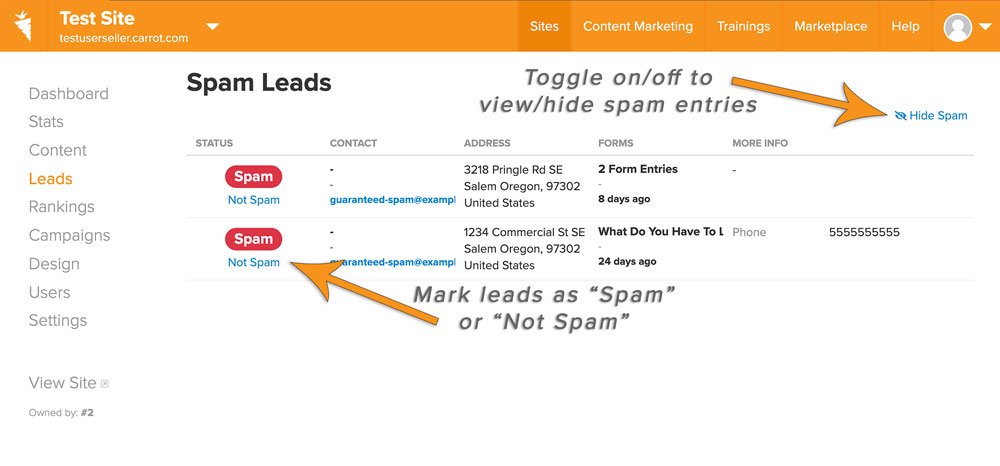
    The new Automated Spam Control System is designed to automatically filter spam from your lead forms and give you the ability to view and edit your spam “inbox”.

    Here are a few quick highlights of the new feature.

    Key Features

    • All form submissions that come via a form containing a text area (for example, the “Contact Us” form) will be “scored” and the spam will be filtered out.
    • Notifications for spam leads are skipped (so they don’t clog up your inbox) and the spam is sorted into a separate view in your lead manager.
    • Your lead manager now allows you to review all spam leads and move them to your inbox if needed.

    What to do next

    If you are a Carrot member, log in and visit your leads dashboard. Do a quick check to ensure you don’t have any legitimate leads that were incorrectly filtered as spam. It’s here that you can also familiarize yourself with your new tools!

    Also, remember that CAPTCHA is best used on forms that require text fields. We do NOT recommend using CAPTCHA on your main opt-in forms (for example on your home page) because of the impact it can have on your conversion rates.

    We would also love your feedback on this new system! Have your spam leads dried up recently? Check out your new spam box and let us know if you have any feedback for us as we continue to improve this new feature.

    We are continually dedicated to making Carrot better for each and every one of our members.

    If you have questions, please contact our awesome support team!

  • How To Measure The Success Of Your Real Estate PPC Campaign

    “Listen… it’s not working.”

    Those are the same words that thousands (millions?) of real estate investors have said to the person running their PPC ads.

    “I’ve already spent $1,500 and I haven’t closed a single deal from those leads! If it hasn’t worked now, then it isn’t going to work.”

    It’s difficult to believe differently than that. After spending thousands of dollars on a campaign which isn’t delivering the kind of results your business needs, quitting seems like the only logical option.

    But let’s slow down for a moment.

    Just because you’ve spent several thousand dollars on your PPC efforts without closing a deal does not mean you’re doing something wrong. In fact, it might mean you’re doing something right.

    Let me explain.

    What Is The Goal Of Your Real Estate PPC Campaign?

    Is your real estate PPC campaign a success?

    To answer that question, you first need to determine the goal of running ads.

    If you’re simply trying to build brand awareness, then seeing a tangible return on your investment might be irrelevant. If you’re trying to generate leads for your email list which might turn into a closed deal down the road, then all that matters is getting new people on your email list. In those cases, use the metrics mentioned in this article to determine how successful your real estate PPC campaign is.

    If more likely, you’re running a PPC campaign to find motivated sellers and close deals, having a strict, tangible, profitable ROI matters a lot more. The first thing you’ll need to do, then — before you even launch your campaign, ideally — is set a realistic and profitable budget for your ads.

    Here’s how to do that.

    What is a Realistic Budget and ROI For Your Real Estate PPC Campaign?

    Earlier, I said, “Just because you’ve spent several thousand dollars on your PPC efforts without closing a deal does not mean you’re doing something wrong. In fact, it might mean you’re doing something right.”

    And I meant it.

    At Carrot, we know lots of real estate investors who have to spend between $1,000 and $5,000 to get a single deal. The reason for that has nothing to do with their ads being ineffective, but everything to do with thick market competition. The thicker the competition, the more investors have to spend on ads to close a single deal.

    Here’s the kicker, though: those investors are still making between $10,000 and $50,000 in profit as wholesale fees. So while spending up to $5k on an ad campaign might seem crazy, it’s still very profitable.

    Brian Rockwell is one such investor (and Carrot member!) who consistently pays several thousand dollars to close a single deal in his highly competitive market: Dallas, Texas.

    Here’s what he has to say about it:

    “Would you pay $3,000 to make $30,000? I don’t know about you, but I’d take that deal all day long.”

    Okay. Great.

    Spend money to make money. You get that.

    But how much money is too much money? How much should you expect to spend on your PPC campaign before closing a deal? At what point should you throw in the towel?

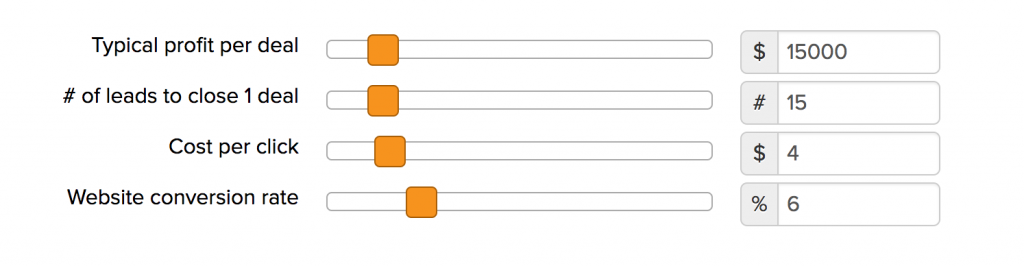
    To answer that question, check out our free-to-use ROI calculator for paid ad campaigns.

    roi calculator

    You’ll just need four pieces of information in hand:

    1. Typical profit per deal
    2. Typical # of leads to close 1 deal
    3. Cost per click
    4. Website conversion rate

    Example:

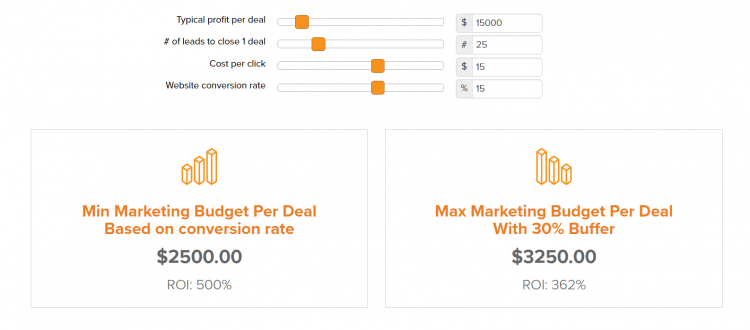
    Imagine that you can safely expect to make at least $15,000 in wholesale fees on a single deal. Let’s also imagine you’re in a competitive market and that it takes you 25 leads to close one deal. Your cost-per-click for your PPC campaign is $15 and your website conversion rate is 15% (typical for a Carrot site).

    That means you should expect to spend at least $2,500 to close a single deal and no more than $3,250.

    And while that might seem like a lot of money to spend, you’ll also notice that the ROI on your expenses will be between 362% and 500%…

    As Brian Rockwell said, “I’d take that deal all day long.”

    Formula For Calculating ROI

    Of course, ad spend is likely not your only cost for generating leads and closing deals. You might also be paying people to run your ads for you, tackle due diligence on properties, meet with buyers, or create contracts.

    Maybe you also want to include those costs in the overall ROI of your PPC campaigns…

    It’s up to you… really, it depends on what you want to find out. If you want to strictly determine how effective your PPC campaign is and if you’re staying within budget, then you might want to leave other indirect costs out of the equation. If, on the other hand, you want to determine the profitability and ROI of your entire business, then you’ll certainly need to include all other costs.

    Whatever the case, here’s the formula you can use for finding the ROI of any of your marketing efforts.

    ROI = (Revenue – Cost) / Cost

    How To Determine a PPC Campaign’s Effectiveness (The 4 Metrics That Matter Most)…

    There’s no doubt about it: ROI is the king of determining the success of any PPC campaign.

    If you’re not making more money than you’re spending — if your ads aren’t profitable for your business — then you need to press “Stop” and try something else.

    Having said that, looking only at the ROI of your PPC campaign can blindside you to other important metrics. Because even if your ads are profitable, they still might not be as profitable as they could be.

    The goal is to not only run profitable and realistic PPC campaigns but to also increase the effectiveness and profitability of those campaigns. To do that, you should keep a close eye on the below metrics, test new things, and make changes as needed.

    1. Cost-Per-Click

    You can find this metric reported directly in your Google Ad dashboard. It tells you the amount of money you’re spending for each click you receive. The more enticing and click-able your ad is to website browsers (i.e. the more people who click), the less money you’ll spend on each click. However, competitive markets will force a high cost-per-click regardless of how effective your ad is, simply because there are so many other bids.

    2. Quality Score

    The quality score of an ad campaign is a metric which attempts to show you, with a score between 1 and 10 (10 is best), how effective your ad campaign is. Using the number of clicks your ad is receiving when people see it, the quality score also influences how much Google is going to show your ad, your cost-per-click, and even your ad placement (at the top vs. at the bottom). Keep a close eye on this metric and tweak your ad if it has a low-quality score.

    3. Impression Share

    Impression share is the percentage of people who, when your ad was placed on the page they visited, actually scrolled and saw your ad. If you ad has a low-quality score and is sitting at the bottom of the results page, your impression score will be much lower than competitors with ads showing at the top. An impression score of 80% means that 80% of people saw your ad and 20% didn’t.

    4. Website Conversion Rate

    While this isn’t technically a PPC metric, the website conversion rate is absolutely vital to consider for any paid ads you’re running which drive traffic to your website. Since you’re paying to generate clicks and hopefully leads and closed deals, you need a website which consistently converts the traffic your hard-earned money is driving to it. What’s a good conversion rate? Find out over here. And if you don’t want to worry about optimizing your website for conversion, consider getting yourself a Carrot website. We’ve generated over one million leads for investors and agents all around the U.S. and we’d love to do the same for you (a typical Carrot website conversion rate is around 10%. A typical conversion rate for most other industries is around just 2%).

    Conclusion

    I understand.

    It gets discouraging, running ads which aren’t pulling results for your business. After all, if your business is to survive, you can’t be dumping money into a useless ad campaign for much longer.

    You need results.

    But keep in mind that results often take time.

    The best thing you can do, in fact, is set yourself up for success by determining a realistic budget for your PPC campaigns: how much should you expect to spend? And how much is too much?

    With those numbers, you’ll be far more confident spending the money you’re spending… knowing when you should expect a closed deal and when you’ve spent too much.

    Then, work to improve the ROI of your PPC ads by watching the 4 metrics mentioned in this article. Because even if your paid ads are profitable, you still might be able to make them more profitable. Which is always a good thing to do.

    With that, you’re ready to run successful PPC campaigns. The rest is simply doing, testing, trying, and iterating. Off ya go!

  • Ad Copy For Real Estate PPC Campaigns | 8 Tips to Get You More Clicks!

    Before you launch a real estate PPC campaign and even press “Start,” you want to give that campaign the best chance of success.

    document.addEventListener(‘DOMContentLoaded’, function() { jQuery(window).scroll(function() { if ( jQuery(document).scrollTop() > $(‘#carrotToast’).offset().top && jQuery(“.carrot-toast”).attr(“displayed”) === “false”) { jQuery(‘.carrot-toast’).toast(‘show’); jQuery(“.carrot-toast”).attr(“displayed”, “true”); } }); });
    jQuery( document ).ready(function() { jQuery(window).scroll(function() { if ( jQuery(document).scrollTop() > $(‘#carrotToast’).offset().top && jQuery(“.carrot-toast”).attr(“displayed”) === “false”) { jQuery(‘.carrot-toast’).toast(‘show’); jQuery(“.carrot-toast”).attr(“displayed”, “true”); } }); });

    When it does launch, you want to collect clicks from motivated sellers or interested buyers, and you want your cost-per-click to stay within budget.

    Easier said than done, of course. You might think that a campaign will convert like a million bucks, but then you launch it… and it doesn’t.

    (You’ve been there, right?)

    How can you possibly know what will convert well and what isn’t before you even launch the campaign? Well, ultimately, you can’t. But you can use a few simple copywriting tricks to increase the chance that your ad is a winner.

    When it comes to platforms such as Google Ads, it’s just words on a page, no images or video allowed. So let me walk you through 8 ad copy for real estate PPC campaigns tips that will have you lowering your cost-per-click and increasing your conversion rate in no time.

    But before we dive in, you need to be aware of the different ad platforms’ character limits. Character limits can make crafting ad copy a little difficult, so you’ll need to have an idea before writing.

    Google Ads:

    15 headlines with 30 characters for each headline.
    4 description lines with 90 characters for each description.
    Option to pin your headlines and descriptions in specific positions of your ads.
    Set your display URL path.
    Set your final URL like a normal expanded text ad.

    Microsoft (Bing) Ads:

    Titles 30 characters each, up to three ad titles
    Ad text 90 characters each, up to two ad descriptions
    Final URL 2048 characters, including prefix (e.g., “www.”), suffix (e.g., “.com”), and tracking templates

    Facebook Ads:

    Facebook ad specs for single-image ads are:

    Text: 90 characters
    Headline: 25 characters
    Link Description: 30 characters

    Limits change a bit for carousel ads:

    Text: 90 characters
    Headline: 40 characters
    Description: 20 characters

    8 Tips To Write High-Converting Ad Copy For Real Estate PPC Campaigns

    Tip #1: Write 3 Ads And Choose The Best One

    Writing three ads from the get-go rather than one can help get your creative juices flowing and give you more ideas for connecting with your audience and getting them to convert. I do this for many different ad copy, and I find that the last one I write is usually the best, because you start getting in your flow, and the ideas become more solid as you write them down.

    Try this: write down three complete ads, headlines, and descriptions, and see which one you like the most. More than likely, one will stand out among the rest. This is a quick way to ensure you’re not running an ad just because it was the first thing that came to mind. Your brain needs to simmer a bit before it comes up with high-converting ad copy.

    Let me give it a swing to show you what I mean…

    [Headline] Need to sell your home fast for cash?

    [Description] Foreclosure? Probate? Divorce? We can help you through your difficult life situation, putting a fair cash amount in your pocket faster than anyone else (within a week).

    [Headline] Need to sell your house for cash in one week?

    [Description] Foreclosure? Probate? Divorce? Whatever you’re going through, we’re real estate investors who buy properties fast for cash to benefit sellers like you.

    [Headline] Sell Your House For Cash in Just One Week (1,257 Properties Purchased)

    [Description] Foreclosure? Probate? Divorce? Whatever you’re going through, we’re real estate investors who buy properties fast for cash to benefit sellers like you. We’ll make your difficult situation easier.

    Tip #2: Run Consistent A/B Tests

    If you’re in the real estate business for the long run, which you are, then you will be doing a lot of marketing. And the more you learn about what makes motivated sellers and buyers tick, the better ads you can write.

    Perhaps the best way to learn more about your target market — what makes them click and convert — is to A/B test pieces of your sales copy.

    Do not, though, A/B test two totally different ads. While that can be interesting anecdotally, you can’t possibly pull any quantitative information from those tests since there are too many differing factors.

    Instead, choose which part of an ad you want to test, and then create two identical ads, save for the one element that you want to test (headline, for instance).

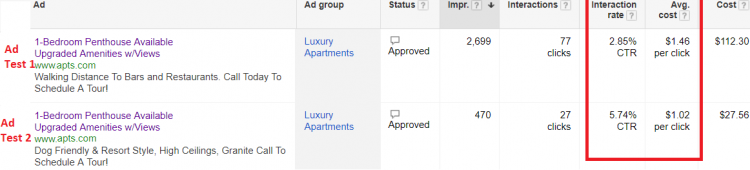
    Here’s an example of an A/B test where the marketer tested the description (pretty significant difference in results for such a small change).

    (Image Source)

    Tip #3: Spend 3 Times as Long On Your Title

    If you’ve spent any time as a copywriter, then you’ve heard it a million times: the headline is the most important part of your ad. It’s what people see first; in the case of Google ads, it’s often the only thing they look at before they click.

    If that doesn’t illustrate the importance of your headline, I don’t know what does.

    Make sure you dedicate a little extra time to brainstorming a title that resonates with your target market.

    First, you want to start with a basic ad headline.

    Sell Your House Fast For Cash!

    Then, you want to look for places to add specificity to the title (specificity is enticing, vagueness isn’t). Here’s an idea.

    Get a Fair Cash Offer On Your House in Just 24 Hours!

    That’s a little better. We can make it even more specific if we’re willing to do more targeted advertising.

    Going Through a Divorce? Sell Your House Fast For Cash

    Or…

    Dealing With Foreclosure? Sell Your House For Cash Now!

    You can see how each title gets better as I spend a little more time thinking about it. The same will be true when drafting headlines for your Google ads.

    Google Ads Tips: Including your keyword within your title can help increase your Quality Score.

    Tip #4: Try Using These Power Words

    Different words trigger different thoughts and different emotions. Fortunately, most people are very similar, and certain words trigger similar emotions. Using words that evoke the right emotion can be extremely effective at making your copy more enticing.

    What words should you use? Here’s a list of power words for any sales copy you write.

    1. You/Your
    2. Because
    3. Introducing
    4. Welcome
    5. Unique
    6. Announcing
    7. Secret
    8. Hidden
    9. Truth
    10. Temptation
    11. Now
    12. Discover
    13. New
    14. Win
    15. Cheap
    16. Free
    17. Lazy
    18. Humiliation
    19. Alone
    20. Reject
    21. Stress

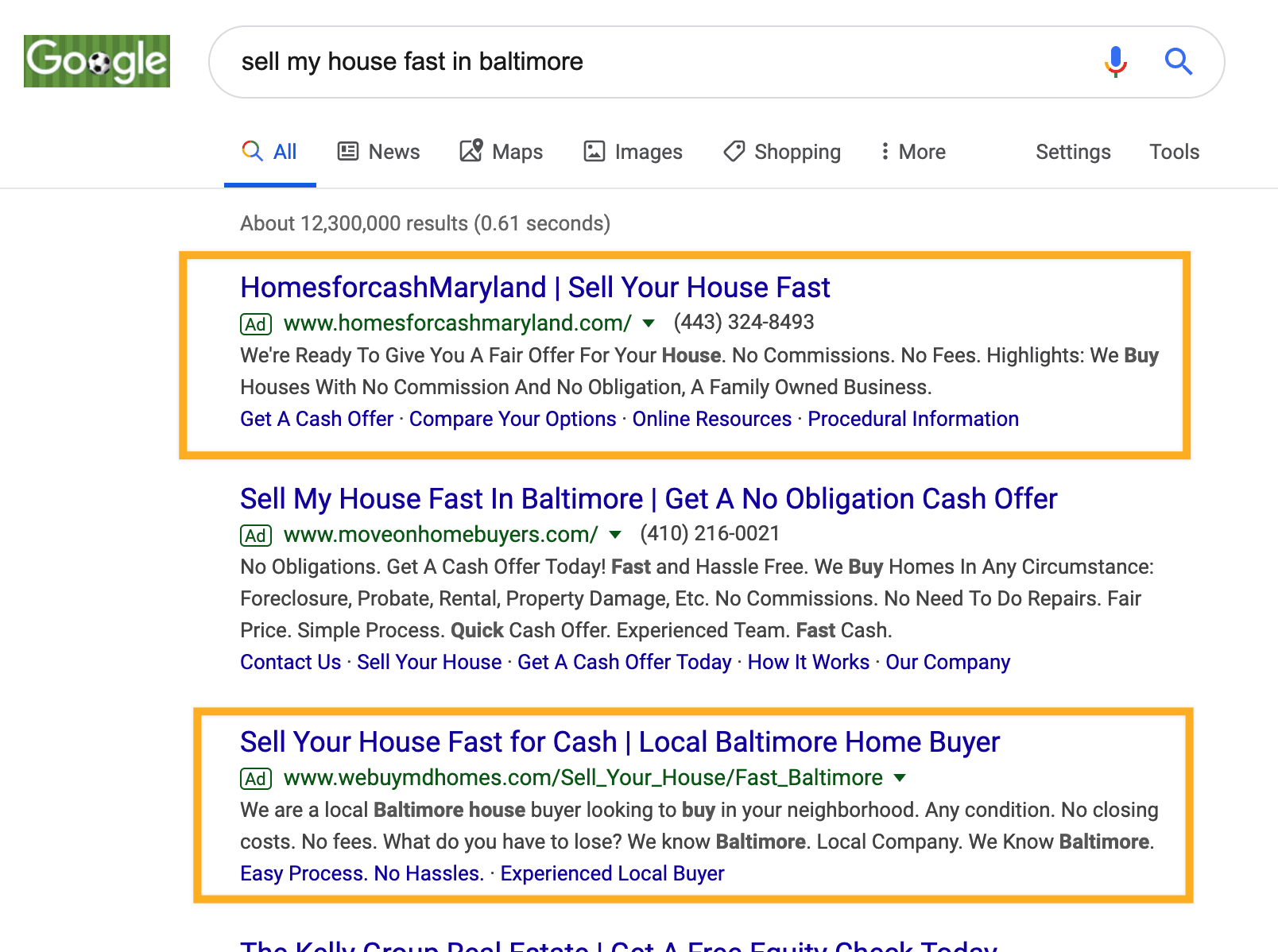
    Here are a couple of examples of these and other similar power words in Google Ad campaigns:

    power words for real estate ads

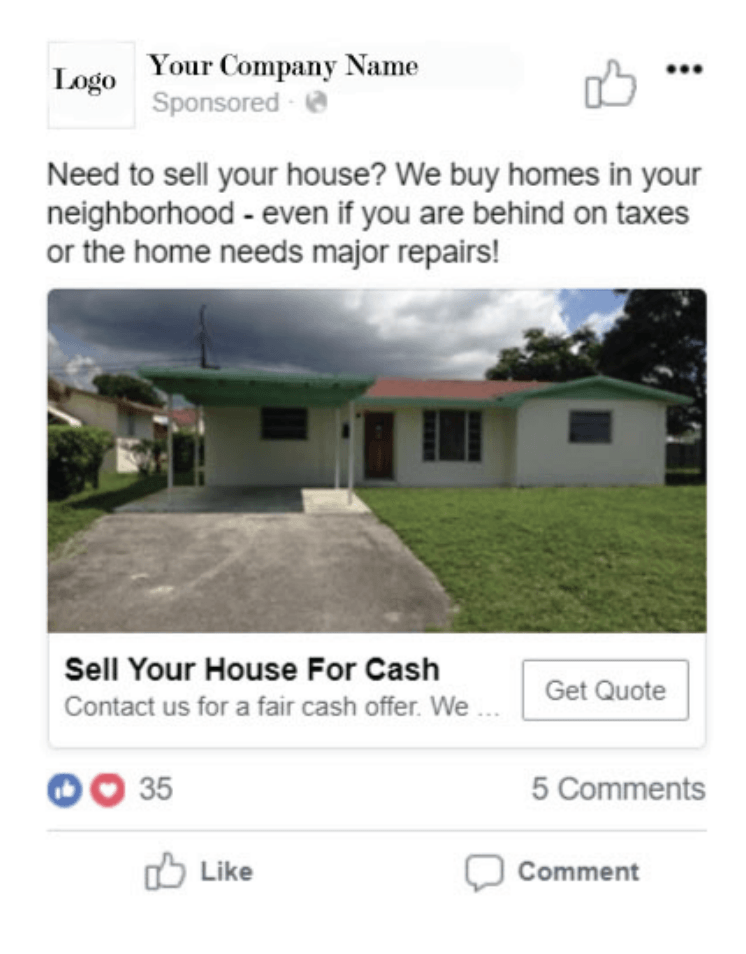
    Here are a couple of examples of these and other similar power words in Facebook Ads:

    real estate Facebook Ads
    real estate Facebook ads example

    If you’re a Carrot member, don’t miss the opportunity to learn from the industry’s top Facebook marketers. Check out the Facebook Leads Masterclass today!


    Tip #5: Touch On The Prospect’s Emotional Pain Or Desire

    When you’re writing sales copy, you aim to connect with your prospect’s emotional pain or desire (depending on whether you’re trying to attract sellers or buyers). No one buys anything or commits to anything without first seeing a vision in their head — a vision for how that product or service might solve their problem or give them something they desire.

    No one buys a car without first imagining owning it. No one buys a house without first walking around and imagining living in it. And no one will work with you unless they can see the tangible benefits of doing so.

    Your copy should wise up to that and try to get the prospect to imagine what it’ll be like to work with your business.

    For example…

    [Headline] Get Your Life Back — Sell Your House Fast For Cash

    [Description] Sick and tired of dealing with the demands of foreclosure, probate, or divorce? We can’t solve everything, but we can make you a fair cash offer on your home and close in just one week… Can you imagine no more worry?

    [Headline] Reduce Stress — Sell Your House For a Fair Cash Offer in One Week

    [Description] Stressed from difficult life situations? We’ve helped hundreds of people sell their house fast for cash and regain their lives. Ready to start enjoying life again?

    Tip #6: Try Statistics or a Case Study

    One of the best ways to make your Google Ads copy more enticing is to use statistics or a case study. This builds credibility for your business and makes your promise more believable.

    Here are some examples of what I mean… notice how the data makes them far more enticing than some previous examples.

    [Headline] Need to Sell Your House Fast? I Just Handed This Person $50,000… Cash (Case Study)

    [Description] Let me tell you a quick story about someone who just sold their house to me in one week for $50,000. You can do the same thing… but first, I need you to understand this simple process…

    [Headline] Need Quick Cash For Your House? We Can Help (1,500+ Offers Sent)

    [Description] When you need to sell your house fast for cash, we’re the people you come to. We’ve made over 1,500 cash offers and helped hundreds of people out of difficult situations. Are you ready?

    Tip #7: Respond To Common Objections

    If you know what objections people will have when they read your ad, why not deal with them right from the beginning? Maybe not in your headline… but definitely in your description.

    Here are some of people’s most common objections about working with real estate pros…

    • Can I trust you? — First and foremost, people want to know that they can trust you and your business. Real estate is a big transaction, the biggest transaction that most people will ever deal with, and it’s for that reason that people so carefully try to vet who they’re going to work with to ensure that they’re the real deal.
    • Can I buy or sell fast? — Speed is important if you’re dealing with motivated buyers or sellers. No one wants to wait forever to get their pain or desire fulfilled.
    • Will it be difficult? — People want to know that you will do all the legwork. They don’t want to have to do anything difficult themselves.
    • How much will it cost me? — No one wants to be nickel and dime’d. Tell people how much it’ll cost them and move on with it.
    • What’s the catch? — Most people think that everyone is trying to manipulate them, especially marketers, so indicating that there are “no strings attached” can be a helpful sales strategy.

    Tip #8: Study Your Competition

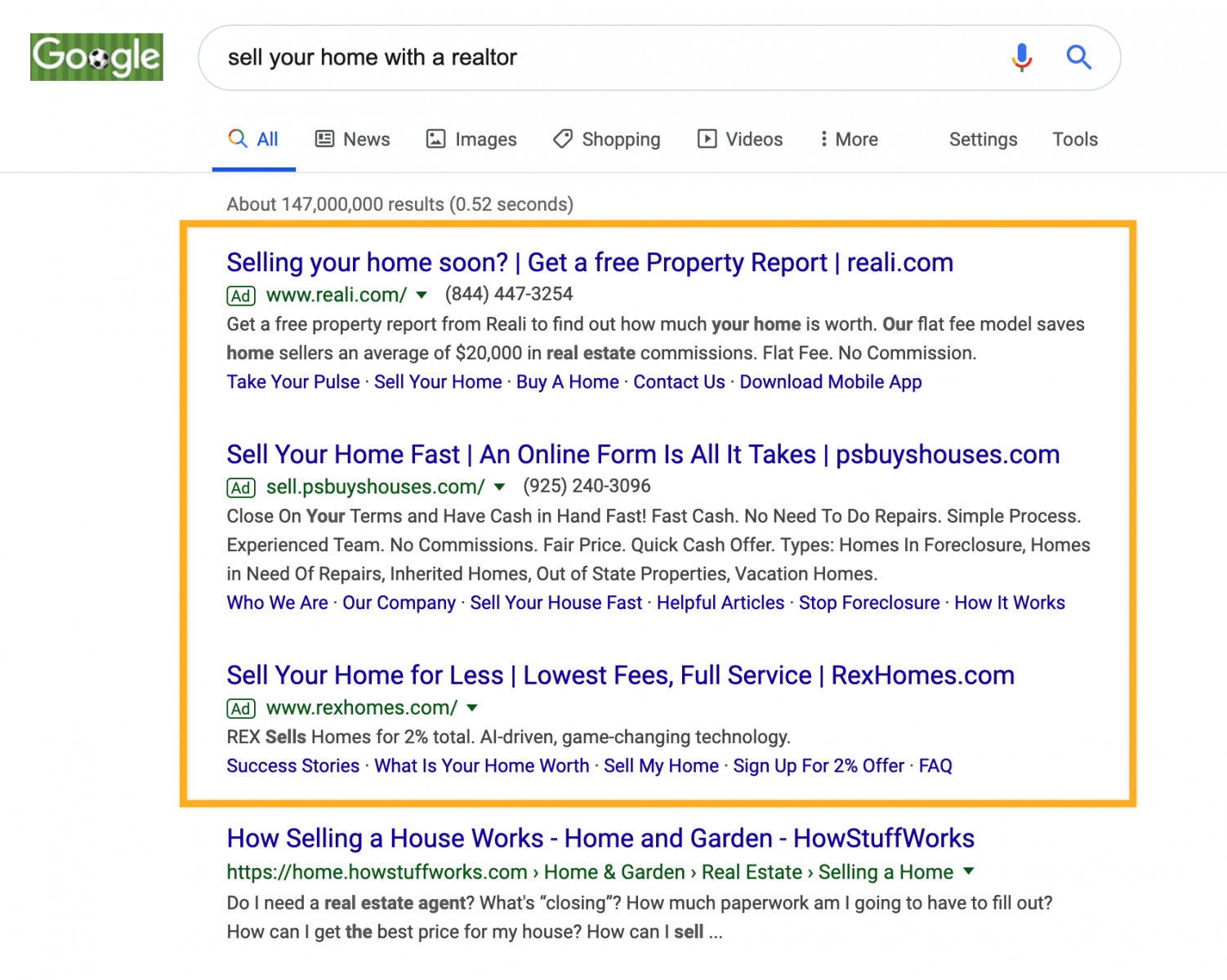
    A great way to get ideas for your own Google Ads campaign is to spy on the competition and see what top agents and investors in your market are doing. Then you can either copy them, try to do better than them, or do something completely different. Either way, you can make more informed decisions when you know what the competition is doing.

    You can use a tool like ChatGPT to do competitive keyword research. Or you can keep it simple and type your target keyword phrase into Google and see what ads come up.

    Conclusion

    You can’t know whether an un-launched ad will perform as you want it to. Only once you hit the big red button can you measure your ad campaign’s cost-per-click and ROI.

    But these eight PPC Ads copywriting tips will give your ads a far better chance of winning the click and the day. Give them a try, and let us know how it turns out!

  • Is Bing PPC For Real Estate Investors A Waste Of Time ? Absolutely Not. Here’s Why…

    Are you dismissing Bing PPC for real estate investors because that “guy” in the online forums said it’s not worth using it? Is your Google Ads campaign killing your marketing budget?

    document.addEventListener(‘DOMContentLoaded’, function() { jQuery(window).scroll(function() { if ( jQuery(document).scrollTop() > $(‘#carrotToast’).offset().top && jQuery(“.carrot-toast”).attr(“displayed”) === “false”) { jQuery(‘.carrot-toast’).toast(‘show’); jQuery(“.carrot-toast”).attr(“displayed”, “true”); } }); });

    What if I told you Bing might help you attract extra leads at a lower cost (if you do it right)?

    “For me, Bing Ads is too expensive. The conversion rates just suck…” via Reddit

    “Bing Ads are s*** compared to Google Ads in my experience”. via Reddit

    We see these kinds of comments about Bing PPC for real estate investors all of the time. You probably do as well.

    We’re often asked, “Is Bing PPC worth it as an additional source for real estate investor advertising?”

    So, we wanted to find out… and we started testing, which we dive into below.   Also, we’ll show some of the advantages Bing can have over AdWords.

    Don’t Assume That Google Ads Is The Only Game In Town For PPC Marketing

    When prospects search online for a real estate professional (this applies to investors and agents), you want to be on the first page.

    Because if you are, people will click on your result, they’ll visit your website, and there’s a darn good chance they’ll even become a lead (at the very least, you can tag them once they visit your website and retarget them with Facebook ads — learn more over here).

    And leads from search engines are typically much higher quality than direct mail leads, bandit sign leads, or even door knocking or cold calling leads.

    Because they came looking for you.

    However, in the world of search engines and PPC, Google Ads reign supreme. Google, after all, dominates nearly 95% of all search engine traffic.

    Google Ads traffic vs other search engines

    (Image Source)

    But in this article, we’re not talking about Google Ads. We’re talking about Microsoft Advertising (the advertising platform behind Bing, a search engine mockingly acronym as “But It’s Not Google”), which holds about 2.39% of the world’s search engine market share.

    That begs the question: why are we discussing Microsoft Advertising?

    Well, there are a few advantages you should be aware of.

    Should You Use Microsoft Advertising?

    Bing Ads Industry Benchmarks

    While holding 2.20% of the world’s search engine market share seems small and insignificant, those two percentage points still amount to 12 billion searches per month. Everyone searches online. Most people do it daily, so owning a few percentage points of the world’s search engine share is more powerful than it seems.

    And here’s the other thing: most people only use one search engine.

    If you’re a Google user (and you probably are), when is the last time you searched using Bing, Yahoo, or DuckDuckGo?

    Yeah… don’t even remember. Neither do I. And neither do most people.

    Most online searchers use a single search engine and rarely stray.

    This means that the people who search using Bing… you’ll seldom reach those same searchers with Google Ads. Conversely, you’ll rarely reach Google Ads users when using Microsoft Advertising.

    Searchers don’t cross platforms. This means to reach all of your prospects, your business should.

    But look — I’m not going to tell you that you have to advertise on Bing; it’s your call. I want to point out that running a Microsoft Advertising campaign in addition to your Google Ads campaign can give you a competitive edge in your market: you’ll reach the people who your competitors aren’t probably even advertising to.

    Because since Google is the biggest, most visible search engine, everyone knows about it, including your competitors. And they’re advertising on it.

    Bing? Maybe not. Using Microsoft Advertising could help you snag leads that your competition outright ignores.

    Is Bing PPC for real estate investors worth it?  Here’s What We Found…

    Carrot Member Google Ads Campaign

    Carrot Member Google AdWords Campaign

    With that success with Google Ads, we wanted to see if we could “stack” on more leads by adding Bing PPC to the picture. As you can see, he invested $1,910 in ad costs during those 30 days in Google Ads and collected ten confirmed online opt-in leads… and many other phone call leads. Counting the phone call leads brings his cost per lead down to under $100 per lead.

    Same Carrot Member Bing PPC Campaign

    Carrot Member Bing PPC Campaign

    Now let’s compare them both apples to apples across the board.

    Clicks:

    • Google Ads: 377
    • Bing: 338

    Google Ads had 11.5% more clicks by volume

    Impressions:

    • Google Ads: 41335
    • Bing: 24660

    Google Ads had 68% more impressions by volume

    Click Through Rate:

    • Google Ads: .91%
    • Bing: 1.37%

    Bing had a 50% greater click-through rate by a percentage

    Cost Per Click:

    • Google Ads: $5.07
    • Bing: $3.32

    Google Ads cost per click was 53% higher than Bing

    Conversions:

    • Google Ads: 10
    • Bing: 6

    Google Ads (for this specific market) only had 4 more online leads in total (doesn’t count phone call leads).

    Total Invested:

    • Google Ads: $1910.34
    • Bing: $1123.65

    Google Ads overall spending was 70% higher than Bing and yielded 40% more leads.

    Just one thing to remember from this test… the cost per lead in this campaign is higher than our typical cost per lead on PPC.  The client wanted us to test a set of 6,000 broad match keywords he received from a mentor… vs. our more targeted approach to PPC management.

    The cost per lead on that broad match keyword group is 5x higher than on our targeted group… for the same number of leads. But the client is ok with that higher cost per lead because his margins on deals are so high that it ensures he’s not missing any leads.

    Bing delivers lower search volume but a more attractive cost per lead. 

    Of course, you’ll get more impressions and clicks on Google Ads, but you’ll usually pay more per click for those visitors.

    It’s not that one is better than the other… this post is mainly to lay out the argument that Bing is a very valid PPC marketing platform that, in this month-long test, pulled leads that cost us less than we pay for leads from Google.

    More… Quick Microsoft Advertising Stats

    Here are some stats about Bing and Microsoft Advertising to keep your mind churning and informed.

    7 Reasons Why You Shouldn’t Ignore Bing PPC For Real Estate Leads…

    1. Bing PPC offers cheaper CPCs (costs per click) and potentially higher ROI 

    This is primarily because fewer investors use Bing over Google Ads. Bing Ads generally has lower competition than Google Ads, especially in the real estate industry. With fewer advertisers competing for the same keywords and targeting options, the cost per click (CPC) on Bing Ads tends to be lower. Real estate investors can use this lower competition to secure motivated seller leads at a more cost-effective rate.

    Here are some additional reasons by CPCs are lower on Bing:

    1. Cost-Effective Advertising: Lower CPCs on Bing Ads translate to lower advertising costs for real estate investors. By paying less per click, investors can stretch their advertising budget further, enabling them to reach more motivated sellers within their allocated budget. This cost-effectiveness can lead to a higher return on investment (ROI) for investors, as they can generate more leads and conversions for a lower cost compared to other advertising platforms.
    2. Targeting Specific Audience: Bing Ads allows precise targeting options, including demographics, location, and search intent. Real estate investors seeking motivated seller leads can leverage these targeting options to reach their desired audience more effectively. By narrowing down their target audience and focusing on specific geographic areas or relevant search terms, investors can ensure their ads are shown to users actively looking for real estate information or intending to sell their properties. This focused targeting can result in higher conversion rates and an improved ROI.
    3. Unique User Base: Bing has a distinct user base that often differs from Google’s audience. Bing users tend to be older, more affluent, and more likely to be homeowners. These characteristics align well with the target audience of real estate investors seeking motivated sellers. By advertising on Bing Ads, investors have the opportunity to connect with this specific user base and potentially find motivated sellers who are more likely to engage with their ads and pursue a real estate transaction.

    Considering these factors, Bing Ads can offer real estate investors seeking motivated seller leads a cost-effective advertising solution with cheaper CPCs and potentially higher ROI. By leveraging the lower competition, cost-effectiveness, precise targeting options, and unique user base of Bing Ads, investors can maximize their ad spend, generate more leads, and increase their chances of finding motivated sellers interested in their real estate offerings.

    2. The Expanding Reach of Bing PPC

    Bing PPC has experienced remarkable growth, solidifying its position as a formidable advertising platform. With the integration of Microsoft Advertising and Bing, its reach has expanded significantly, capturing a substantial share of search queries.

    In fact, Bing now powers over 30% of all search queries in the United States. Ignoring Bing PPC could mean missing out on a sizable portion of potential leads and lucrative real estate investment opportunities.

    3. Bing Ads offers new ad features!

    Since 2022, Microsoft Advertising (formerly Bing Ads) has introduced several changes to its ad structure to enhance the advertising experience for marketers. Here are some notable updates:

    1. Expanded Text Ads: Microsoft Advertising introduced Expanded Text Ads, allowing advertisers to create more compelling and informative ads. Expanded Text Ads feature additional headline and description fields, providing more space for advertisers to highlight their products or services. This update allows for more creative and engaging ad copy, improving click-through and conversion rates.
    2. Image Extensions: To make ads more visually appealing, Microsoft Advertising introduced Image Extensions. This feature enables advertisers to add relevant images to their ads, helping them capture the attention of potential customers. By incorporating visual elements into their ads, advertisers can effectively convey their brand messages and increase ad engagement.
    3. Callout Extensions: Callout Extensions allow advertisers to include additional text to highlight unique selling points, key benefits, or special features of their products or services. This update gives advertisers more flexibility to communicate essential information to potential customers and differentiate themselves from competitors. By leveraging Callout Extensions, advertisers can increase the relevance and impact of their ads.
    4. Dynamic Search Ads: Dynamic Search Ads (DSA) were improved to provide more accurate and relevant ad targeting. This feature enables advertisers to automatically generate ads based on the content and keywords on their websites. Microsoft Advertising’s DSA now offers improved page coverage and refined targeting options, ensuring that ads are shown to users actively searching for related products or services.

    These updates to the ad structure in Microsoft Advertising (formerly Bing Ads) offer advertisers more versatility, improved visibility, and better opportunities to engage with their target audience. By leveraging these features, marketers can create more impactful and effective ad campaigns on the platform.

    4. Syndication across the Microsoft Advertising Network

    Bing PPC allows real estate investors to syndicate their ads across the expansive Microsoft Advertising Network. This network includes popular platforms such as MSN, Outlook, and Microsoft Edge, ensuring broader exposure and increased visibility for investment opportunities.

    By leveraging the Microsoft Advertising Network, investors can reach a wider audience, attracting qualified traffic to their websites or landing pages and expanding their potential for successful real estate transactions.

    5. Bing PPC offers flexibility!

    The differences in Bing Ads ad groups can benefit real estate investors seeking motivated seller leads. Here’s how these differences can be advantageous:

    1. More Descriptive Ad Group Naming: With a higher character limit for ad group naming in Bing Ads, real estate investors can use more descriptive and detailed names. This allows investors to organize their ad groups to align closely with their real estate investment strategies.

      Using descriptive names, investors can easily identify and manage ad groups targeting specific geographic areas, property types, or other relevant criteria. This level of organization can streamline campaign management and make tracking the performance of individual ad groups easier.
    2. Inclusion of Search Partners by Default: Bing Ads includes search partners as part of the ad group targeting by default. Real estate investors using Bing Ads can extend their reach beyond Bing’s search engine to include partner websites such as Yahoo and other affiliated search networks.

      By default, investors can potentially reach a wider audience and increase the exposure of their motivated seller ads. This expanded reach can lead to more opportunities to connect with motivated sellers searching for real estate information on partner websites.
    3. Default Ad Distribution on Bing Ads: Bing Ads has a default ad distribution setting of “All” within an ad group. Real estate investors’ ads are automatically eligible to appear on Bing, Yahoo, and search partner sites without additional configuration.

      This broader ad distribution can increase the visibility of ads and generate more impressions, potentially reaching a larger pool of motivated sellers. Investors using Bing Ads can leverage this default setting to expand their ad reach and increase the likelihood of connecting with motivated seller leads.
    4. Ad Extensions at the Ad Group Level: Bing Ads allows real estate investors to set ad extensions at the ad group level. This gives investors greater control and flexibility in associating ad extensions with specific ad groups. Real estate investors can utilize ad extensions such as call extensions, site link extensions, or location extensions at the ad group level to enhance the visibility and relevance of their ads.

      By customizing and optimizing ad extensions at the ad group level, investors can provide additional information and relevant contact details to potential motivated sellers, increasing the chances of engagement and lead generation.

    Real estate investors can benefit from enhanced organization, broader ad distribution, and more control over ad extensions by taking advantage of these specific features in Bing Ads ad groups. These benefits can help investors effectively target motivated seller leads, increase ad visibility, and drive better engagement, ultimately maximizing their chances of connecting with potential motivated sellers and securing profitable real estate transactions.

    6. Bing Ads have better device targeting options. 

    Device targeting options in Bing Ads can benefit real estate investors seeking motivated seller leads. Here’s how real estate investors can leverage these options effectively:

    1. Mobile Device Targeting: Since many users now rely heavily on mobile devices for their online activities, targeting mobile devices can be a strategic move for real estate investors. Mobile targeting allows investors to reach potentially motivated sellers searching for information on their smartphones or tablets.

      By tailoring campaigns specifically for mobile users, investors can capture the attention of on-the-go sellers, increasing the likelihood of engaging with motivated leads.
    2. Location-Based Targeting: Bing Ads provides location targeting options, allowing real estate investors to focus on specific geographic areas known for motivated seller activity. By combining location and device targeting, investors can effectively reach potential sellers in their desired locations using mobile devices to search for real estate information. This precise targeting ensures that investors connect with motivated sellers in their target market, maximizing the chances of generating high-quality leads.
    3. All Device Targeting: Real estate investors can opt for all device targeting to ensure maximum campaign exposure and reach. By targeting all devices, including desktops, mobile devices, and tablets, investors can cover a broader audience and increase the chances of capturing motivated seller leads across various devices.

      This comprehensive approach allows investors to reach potential sellers regardless of their preferred device, ensuring a higher chance of engagement and lead generation.
    4. Bid Adjustments for Device Performance: Bing Ads allows investors to adjust bids based on device performance. By closely monitoring the performance of their campaigns on different devices, investors can identify which devices are driving the most conversions and adjust their bids accordingly.

      For example, if mobile devices show higher conversion rates, investors can increase their bids for mobile targeting to allocate a larger portion of their budget to the most effective device. This optimization strategy helps investors maximize their return on investment and generate more motivated seller leads.

    Real estate investors can utilize device targeting options in Bing Ads to connect with motivated seller leads. By targeting mobile devices, focusing on specific locations, using all device targeting for maximum exposure, and adjusting bids based on device performance, investors can enhance their campaigns’ effectiveness, increase engagement, and generate more quality leads from motivated sellers.

    7. Bing Ads platform is ideal for companies with a small budget!

    While Google Ads remains a popular choice, Bing PPC often offers a cost-effective alternative for real estate investors. In some instances, Bing PPC can provide a lower cost-per-click (CPC) compared to Google Ads, enabling investors to stretch their advertising budget further and achieve a higher return on investment (ROI).

    By optimizing campaigns and implementing strategic bidding, investors can maximize their ad spend on Bing PPC, attracting motivated prospects without breaking the bank.

    Is Bing PPC Right For Your Real Estate Investing Business?

    It can help you tap into new leads you’d never otherwise reach on Google. That’s for sure.

    If just maybe… especially if you need to start on a smaller budget to test the waters.

    If your advertising campaign is limited to a small geographic area, Google Ads might be the platform where you’ll gain significant search volume, depending on your keywords and match types. Higher search volume means more potential customers for your business.

    Yes, Google Ads is still the “empire” for paid search, with most of the market share. For that reason, Bing Ads is often an afterthought that doesn’t get much attention. But Bing has some unique capabilities that most folks do not use. If you optimize for these Bing Ads only features, you’re sure to increase performance significantly.

    There isn’t a right or wrong answer to advertising on Google Ads vs. Bing Ads.

    They’re both great platforms with their advantages and disadvantages. But the analyst inside of all great advertisers should prefer to test both.  See if you can stack on additional leads for motivated house sellers, cash buyers, and tenants… you name it… by adding Bing to the mix.

    You’ll see, in time, which performs better for your market and budget.

    Read this post if you want more great tips on effective PPC marketing.

    The Pros and Cons of Microsoft Advertising

    Let’s keep this simple and break down the pros and cons of Microsoft Advertising.

    Pros

    • Bing is the second-most-popular search engine. So if you want to put money somewhere other than Google, Bing is the place to do it.
    • Since Bing has less search traffic than Google, it also has less competition and a lower cost-per-click usually, so it can be less expensive to advertise.
    • Bing gives you more characters for your ad than Google, allowing you more room to convince people to click your result.
    • Bing shows more of its ads at the top of the page than Google does, which is helpful for the click-through rate since people don’t have to scroll down the page.
    • Almost 75% of Bing users are over 35, so Microsoft Advertising can be good for reaching an older audience.

    Cons

    • Bing can have lower search engine traffic (compared to Google), so potentially fewer leads.

    My recommendation? Start with Google Ads, and if you have the budget to spare and need a competitive edge, supplement your efforts with Microsoft Advertising.

    Still Have Questions?

    Still not sure if Microsoft Advertising is right for your business? That’s okay — it’s not always easy to know the right path to take when it comes to marketing. But the good news is that you don’t have to decide now.

    Why not try it out for yourself?

    You can create a Microsoft Advertising account over here and start driving traffic to your site immediately (and if you need a high-converting site out-of-the-box, sign up with Carrot).

    Who knows? Bing might give your business the competitive edge you’ve been looking for.

  • What’s Your Credibility Score? The Top 5% Of Earners Are Doing These “Simple” Things To Build More Credibility In A Cluttered Market

    What’s Your Credibility Score? Do These “Simple” Things To Build More Credibility

    A lack of realism in the vision today costs credibility tomorrow.
    John C. Maxwell

    How serious are you about building a business that stands out from the clutter and gives you the income and freedom to live your best life?

    If you’re ready to get after it and do what it takes to succeed, this framework is for you!

    Key Takeaways

    • How to take control of the communication and credibility process within your brand and be so good that leads can’t ignore you
    • Marketing stages breakdown for real estate. What the most important pieces are?
    • Using the credibility score formula and how to build credibility through social media and testimonials

    Table of Contents

    1. Listen to the Podcast
    2. Podcast Timestamps & Highlights
    Carrot icon
    Lead generation, at its best
    Attract, convert & close more motivated leads
    Try Carrot Today

    In markets with little competition, the product and the offering are often the most important factors a prospect uses to decide what company to work with.

    But in a cluttered market, with lots of competition, like today’s real estate world… credibility has grown to trump “product” as the main deciding factor to make or break your next deal.

    So, what are the top 5% of real estate investors and agents doing to build more credibility in the market and make their competition irrelevant?

    Trevor Mauch, CEO of Carrot, dives into specific examples and lays out his Credibility Score theory to help you determine what you should fix ASAP to build your credibility even more.


    Listen to the Podcast

    [podcast-subscribe]


    Podcast Timestamps & Highlights

    6:10 – What the consumer’s path to find a credible company online looks like.
    10:00 – Recognizing competitors’ opportunity to move in and cloud the consumer decision process is essential.
    12:00 – Example of an effective self-mailer used to build credibility.

    TerraFirma credibility packet

    15:15 – Marketing stages breakdown for real estate. What the most important pieces are.
    17:45 – Look at your past and present marketing numbers and build credibility after the first contact from a lead.
    18:50 – What it takes to build credibility into your real estate website.
    22:00 – We’re in the age of trust and credibility. Everyone is online. What are you doing to cut through the clutter?
    26:30 – Build a process within your business that adds credibility.
    29:15 – Taking a look at Opendoor and Express Home Buyers. Two examples of companies with a good credibility strategy.
    32:20 – Diving into Carrot’s credibility strategy.
    33:45 – Stanford’s Web Credibility Research Center10 credibility score items people view on a website.
    37:20 – What is the #2 most visited page on your website?
    39:30 – Does your real estate website look good on mobile? And what you need to fix if it doesn’t. Use our mobile check tool.
    42:40 – What does credibility mean? And how to do it so you connect with your lead more effectively.
    44:00 – Using the credibility score formula and how to build credibility through social media and testimonials.
    53:00 – Stacking upon the credibility score – Being picky on your website credibility.
    55:00 – Using some how-to’s to beef up the overall impression of your real estate website. And the importance of controlling the conversation around your brand.
    1:02:15 – Build things unique to your offerings to stand out from the online competition. Such as badges and logos.
    1:04:30 – Creating the connection with credibility and working hard to go the extra mile to show you’re an expert in your market.

  • Announcement: Going All-In On Our Brand With Carrot.com + A Fresh New Logo

    Announcing Carrot.com - The Next Evolution of Carrot And Our Future

    Our mission at Carrot just got bigger. See why in the video above then listen to why we’re betting $600k in our brand in the podcast below.

    Whew! It’s been 5 years since we started Carrot. 5 years! And a lot has happened in those 60 some odd months.

    Over that time we’ve helped thousands of real estate investors and agents stand out online, cut through the clutter, and win more leads and deals. In fact, well over 2,000,000 online leads and counting.

    Over 3,000 Carrot Bud dolls have been sent out to raving Carrot fans, 1,000+ Carrot t-shirts (the comfiest ever!), 250,000+ CarrotCast downloads, thousands of “doses of awesomeness” have been sent in from Carrot members about their successes since working with us.

    But a BIG piece of fully owning Carrot, the brand, has escaped us until now.

    Our $600k Bet To Acquire Carrot.com And Go All In On Our Mission

    Um, yes… you read that right. That’s no typo.

    $600,000 for a domain name. Believe me, if you would have told me 3 years ago we’d be investing that much money into a domain I would have said you’re off your rocker. But today, I feel it’s one of the best investments we could have made to further our future and our mission to impact far more entrepreneurs.

    You’ve heard me talk about how important it is today to build a brand and we’ve done a pretty darn good job of it over the years. But one thing that kept bugging us was the brand confusion in the market about our real company name.

    Are we Carrot?

    Are we OnCarrot?

    Are we InvestorCarrot?

    Well, we’ve always been Carrot. InvestorCarrot is a product, and AgentCarrot is a product. But a hefty percentage of people still called us OnCarrot as our business name rather than that just being our domain name. So much so that it became a running joke that would make us cringe internally every time we saw it.

    The Need To Own Our Brand Became More Important

    Many people feel that a brand is simply your company colors and a logo.

    But, that’s just the start. We all know companies that have an amazing logo, but you cringe when you hear their name because of the way they run their business. They have a brand, just not the one they want.

    A brand is everything that paints the picture of what your company represents to the marketplace.

    Our Core Values are the foundation of our brand.

    The Carrot orange is a recognizable sign of our brand.

    Our logo was a fun expression of our brand.

    The dolls, t-shirts, and way we do business here all feed into building the Carrot brand that tens of thousands of grown to know and love.

    But what about your domain name?

    Your domain name can also signal how serious you are about your brand, or whether you’re just “dabbling” in your brand.

    For us, our domain name was fine. It would have continued to do what it needed to do. But it didn’t further cement our brand. It actually distracted from it and made it harder for people to find us.

    We’re Turning The Page To The Next Chapter At Carrot

    As we’re making a big bet on our mission, on our brand, on helping tens of thousands more small businesses to stand out online and finally get results… we’re also making a big bet on YOU.

    This is only our first big bet.

    Throughout the next 24 months, we’re investing heavily into other areas.

    We’re making big investments into…

    • Building our engineering and product teams to innovate our product faster than ever before
    • Transforming our Customer Success team to take your customer experience to an even higher level
    • Doubling down on our content efforts to get the most up to date and useful content possible

    … and more.

    I can’t think of a better way to celebrate International Carrot Day (April 4th) than this. And we’re grateful that you’re a part of the journey.

    Celebrate International Carrot Day With Us + Win Prizes!

    In celebration of our doubling down on our brand and mission, for International Carrot Day we’re doing 2 challenges today and giving away hundreds of dollars in prizes including orange Bose Speakers!

    Just click the link below to enter one of our 2 challenges and celebrate with us!

    Find Out How You Can Celebrate With Us!