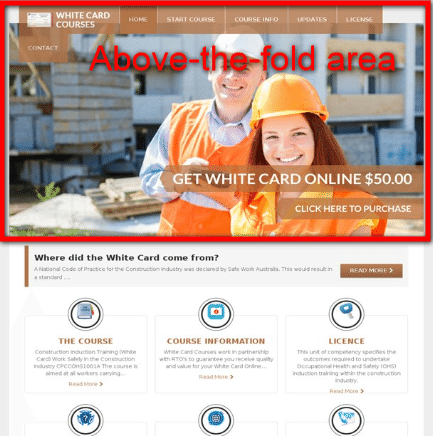
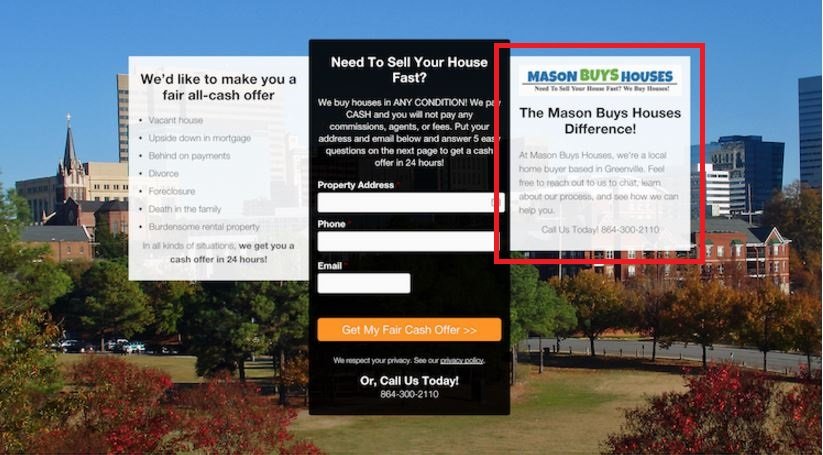
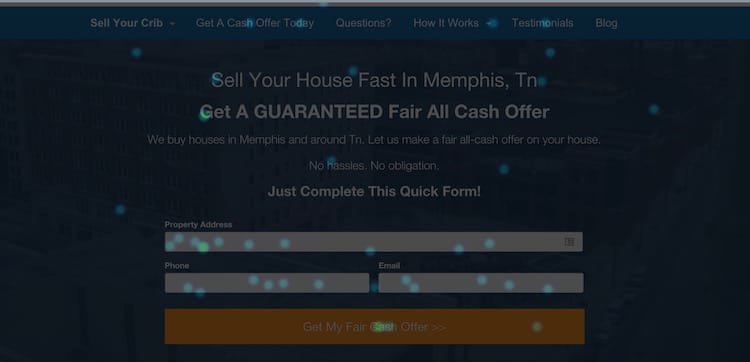
In competitive real estate markets, your online credibility score—the subconscious evaluation prospects make when visiting your website—can dramatically impact your deal flow and determine whether potential clients choose to work with you.
Key Takeaways
Visual elements like clean logos, authentic local images, and properly formatted testimonials with real photos and names significantly impact your website’s credibility.
Your “About” page is typically the third most visited page on real estate websites because prospects are evaluating whether you’re the right company to solve their problem.
Every element on your website either adds to or detracts from your credibility score, including social media links that should only be included if they enhance rather than harm your professional image.
Audit your website and marketing materials to eliminate negative credibility points and strengthen positive ones—from logo clarity to content authenticity—to stand out in a crowded marketplace and earn the trust of potential clients.
But, it amplifies when you have a competitive market. When you’re in a market with a lot of competition but lack online credibility, you have lower deal flow.
When a buyer or seller has multiple choices, they often look at the agent’s or investor’s credibility.
To help you learn how to build online credibility for real estate, we’ve devised the “credibility score.”
Whenever you go to a store, whether online or in person, you go to the grocery store. You’re walking in the grocery store, and subconsciously, there are all kinds of things that you’re doing to size up that grocery store.
Is the floor clean? Are the vegetables arranged in a way that makes sense? Are they rotten, or are they good? Are the people who work there wearing good clothes, clean clothes, or something that’s a uniform that looks like they’re put together? Are they friendly? Is the signage in the grocery store in a make sense way?
All these little things stack up to create this score subconsciously in your mind. You’re probably not going to work with that grocery store because one of those things is wrong.
You’ll probably not choose not to work with the grocery just because the signage isn’t exactly clear and clean. But, when you stack up all those together, and there are these negative credibility marks, what happens is, you leave the store and you go somewhere else, and you’re not sure why sometimes.
You can’t place your finger on why you chose not to work with that company but another one, but this credibility score is subconsciously stacking up in your mind.
We’re going to walk through as an agent or an investor. How do you size your business and find your credibility score?
The first thing you need to look at is to realize people are subconsciously sizing you up, whether you think about it or not. If you’re doing what everyone else is doing, you’re probably not giving yourself many positive credibility marks.
What we’re going to be doing is looking at the website. There are a lot of different things that people are doing when they’re trying to size up your website and size up your credibility score subconsciously.
How to Build Online Credibility for Real Estate
Having Clean Logos Is Important
The first thing they will be looking at is your logo area, your logo area. Is your logo clean, or is it fuzzy? Is it pixelated? Does your logo match the colors and the branding on your website?
I know that’s a little thing, but it’s one of those things that people can go, “Well, there’s something off. I can’t place what it is, but there’s something off,” so make sure you have a very clear, clean, simple logo design that delivers the benefit or delivers the good, warm, fuzzy feeling.
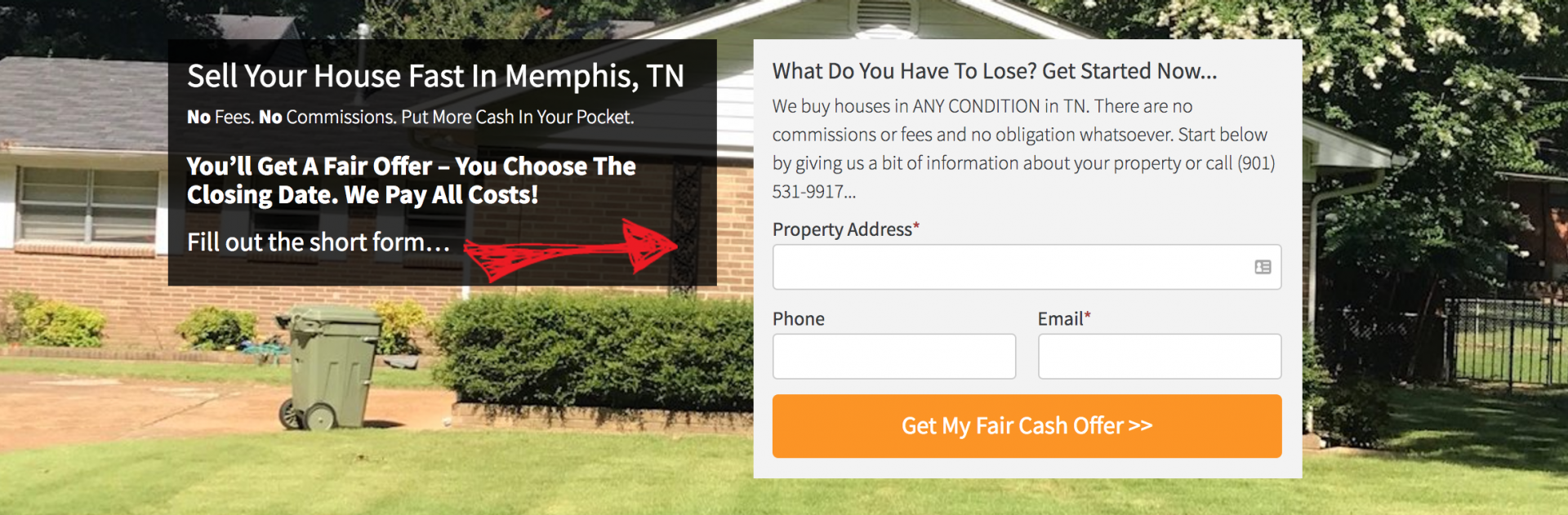
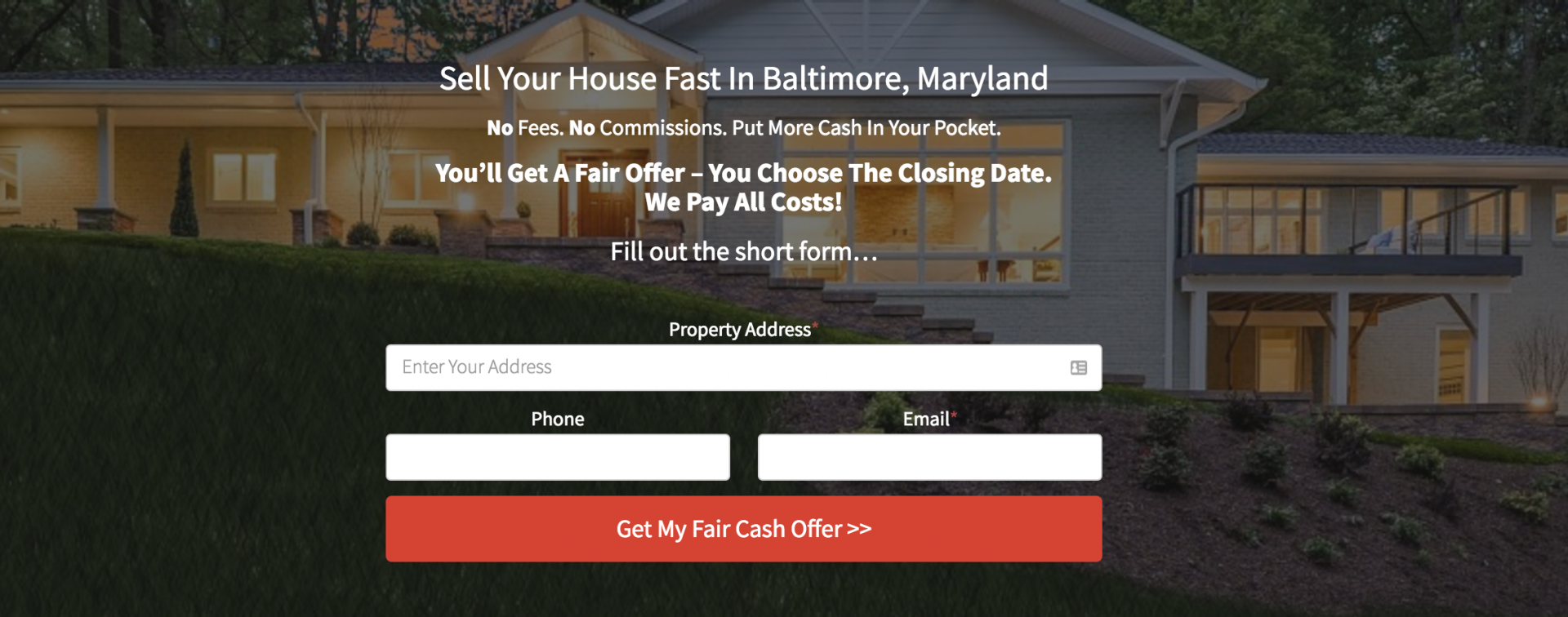
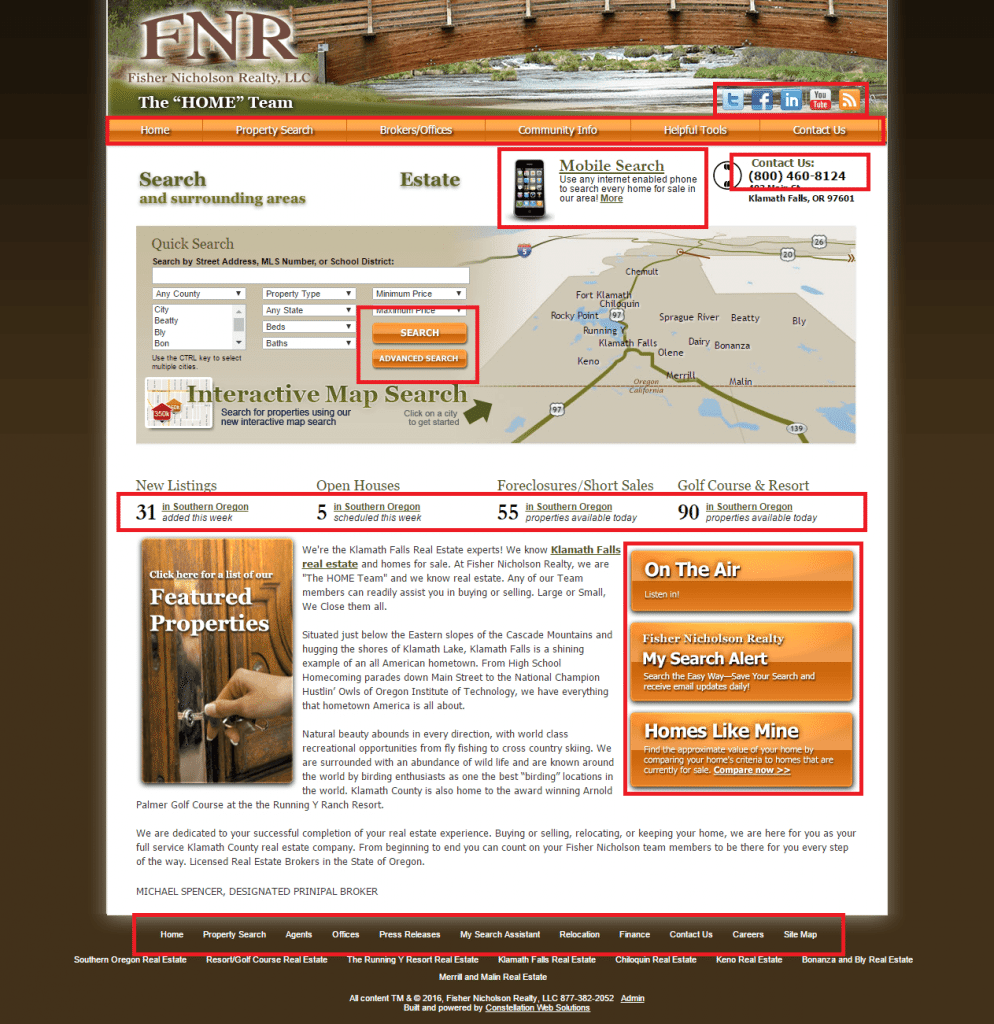
Make sure that the colors on your website match up. That’s a positive credibility mark. Here are a couple of good examples.
Credibility Badges
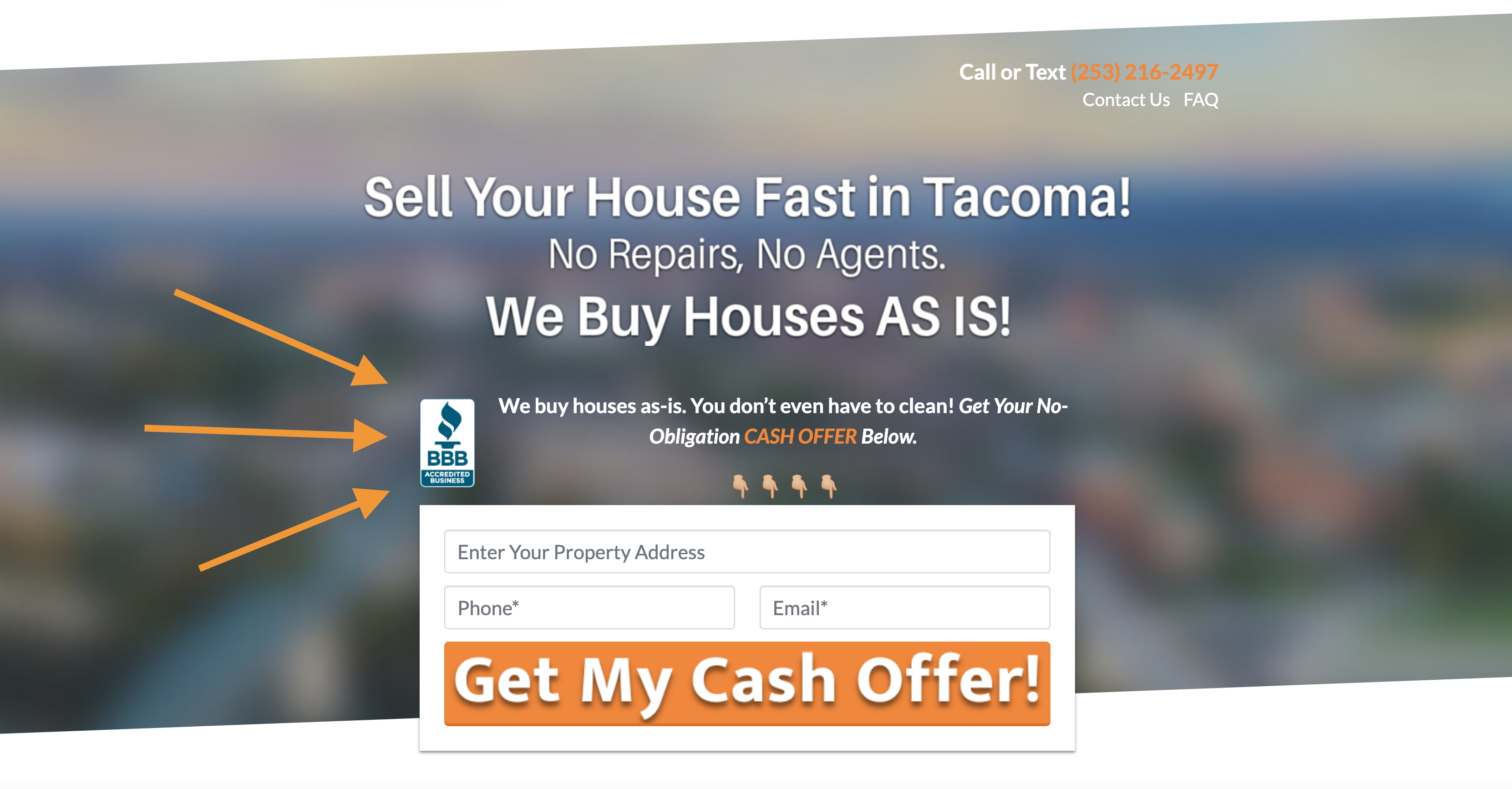
Are you using specific badges to show that third-party processes and third-party entities vet you? For example, the Better Business Bureau.
Credibility Badges on a Carrot website
Maybe you’re a member of the local Chamber of Commerce. Or, a designation with some entity such as a CCIM in your profession is a respected designation. Those badges help in a big way. Those are all positive credibility marks.
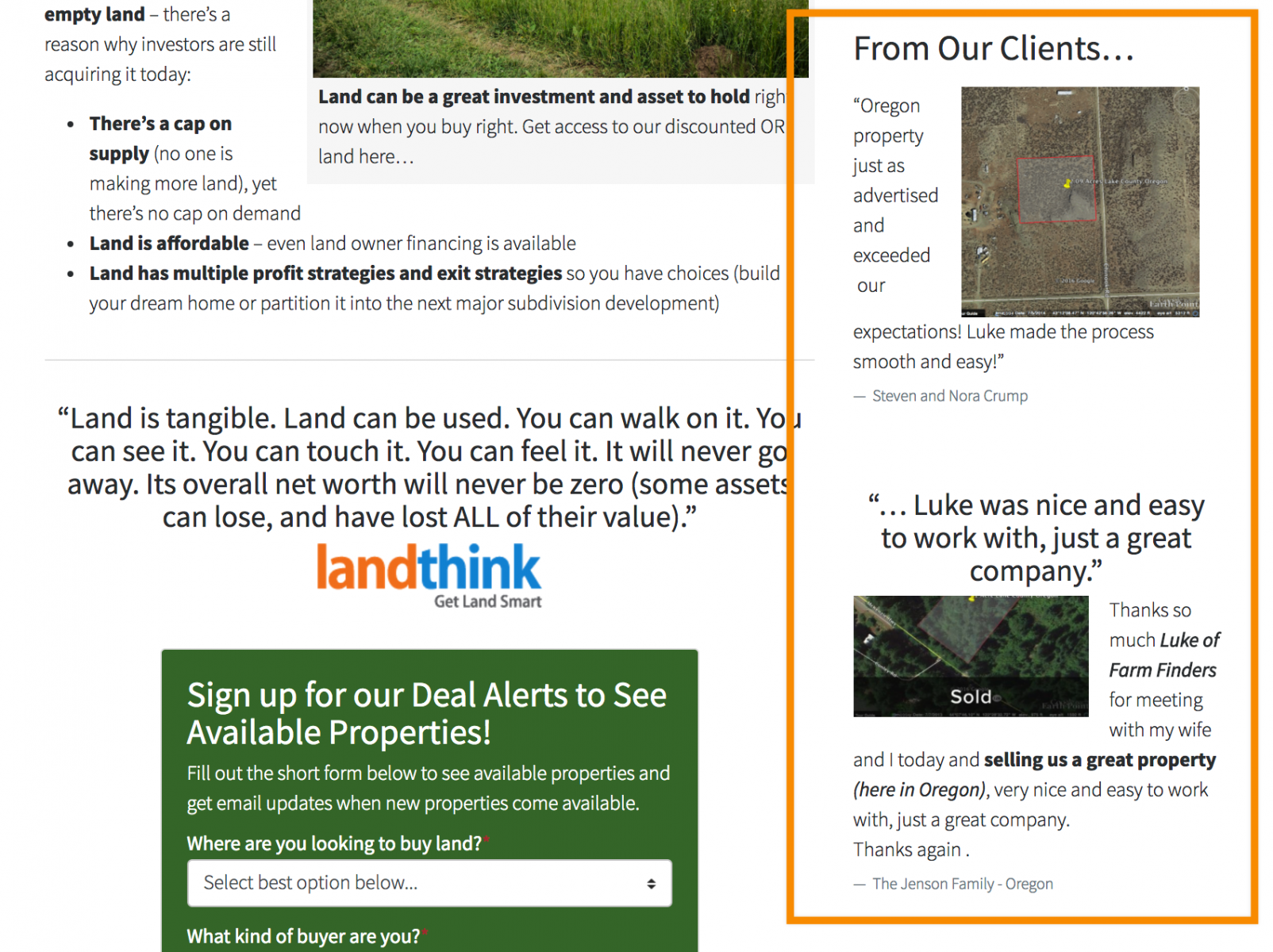
Let’s say you have social proof on your site, so you have testimonials formatted correctly. Just because you have testimonials doesn’t mean that’s a positive credibility mark.
We have other content on how to format a testimonial correctly. If you format a testimonial incorrectly, it could be a negative credibility mark because if you just put a testimonial up there that has the person’s words.
Let’s say you just used their initials, TK, with no picture or other context around that testimonial. People think it’s not real, so it could detract from the credibility.
When you’re building out your testimonials, have pictures of the person or photographs of the property. Put as much of the person’s information on there. Tom, whatever, and then their location. Trevor Mauch, location Roseburg, something like that. It adds more credibility to it.
Use Real “Local” Images
Other things, the content, the pictures, all of these things stack up. Are your photographs localized?
Do you have authentic images on your website? Or are the photos stock images? In the studies, we’ve done and other studies we’ve corroborated with, stock photos don’t lend toward credibility, especially if they’re too stocky.
There are stock photos that look amazing and stock photos that look clearly like stock photos.
People look at a website and go, “I can’t connect with this website. It looks like a stock photo. Maybe I’ve seen the same photo on another website.” If you’re a Carrot member, swap all the images with local, real ones for your market.
Get rid of any stock photos of people you’ve not worked with and put pictures of people you’ve worked with. Make sure that the images look like houses that are in the area. If you’re in Phoenix, your photographs should look way different than someone up in the Northeast part of the US.
What are you doing to build a storyline and connection with your prospects?
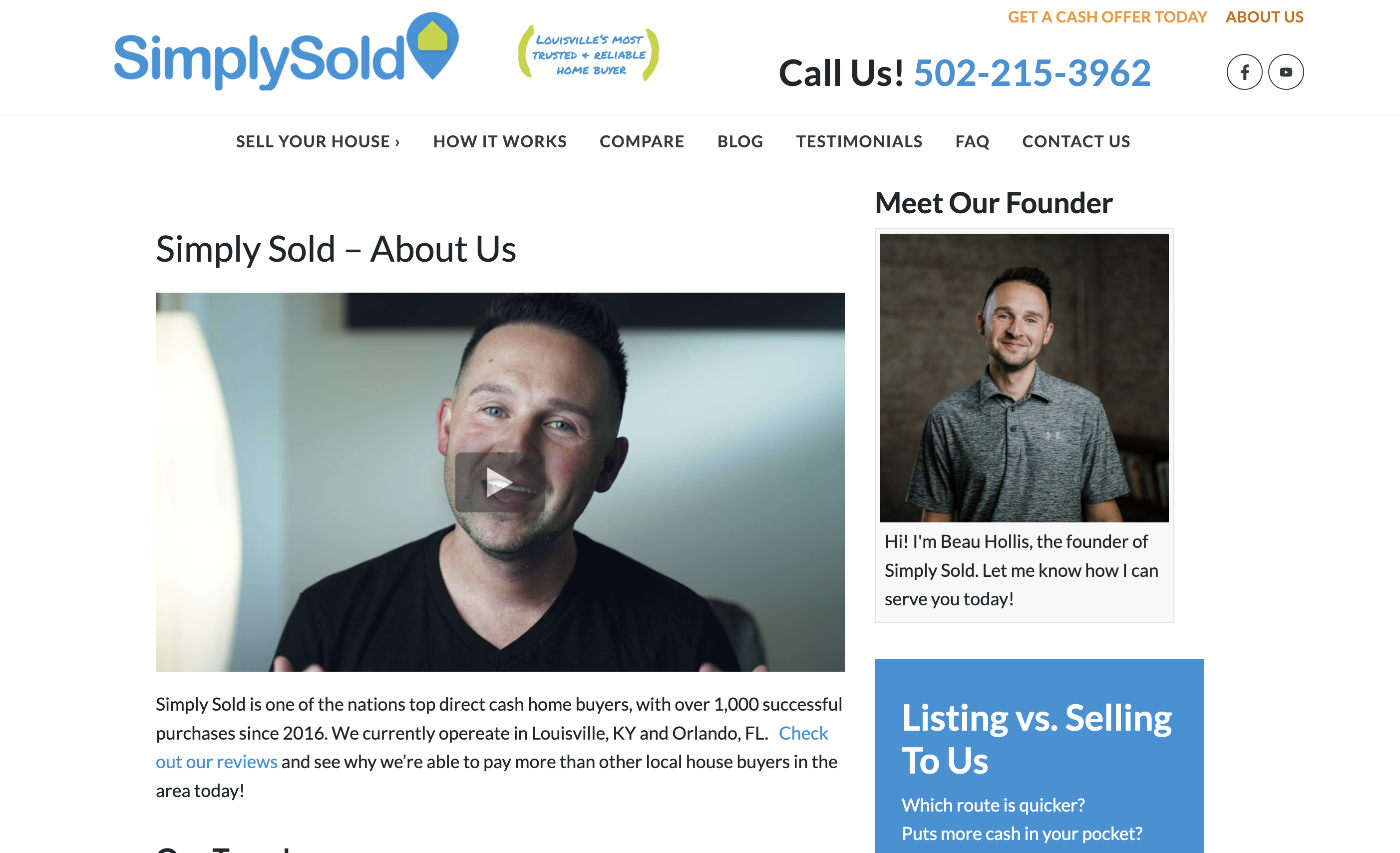
They’re going to your about page because they’ve already probably discovered that you have a solution. You have a solution that can solve their problem. They’re already past that. They don’t need to know whether you can solve their problem.
They need to know whether you are the company they want to choose to solve their problem, so they’re going to your about page.
If you’re using social media, such as adding your Facebook link, make sure they give you positive credibility, not adverse.
If your Facebook page isn’t built out, has minimal engagement, and stock photos, that’s negative credibility. So get it off.
Don’t put that link on your website. Don’t put the link in your marketing. If you’re going to use social, use it to build your credibility. Never use it as negative or neutral credibility. It’s going to hurt you.
Optimizing Your Website For A High Credibility Score
Audit your on and offline marketing. What’s your credibility score look like?
Go through each thing subconsciously and then start to put a plus or a minus on it and add those up.
One by one, eliminate every single one of those negative credibility points.
Is it easy to read on mobile, or is it not?
Is your logo pixelated?
Does your branding match up?
Does your content make sense?
Does it look localized?
Do you have real images?
Do you have real badges?
Does your social media actually help you?
Make sure you pay attention to this. Go check out your website right now. Let us know what you found in the comment section and what you’ve found to be your biggest credibility driver.
Know you know how to build online credibility for real estate. Implement this, and let us know how it works!
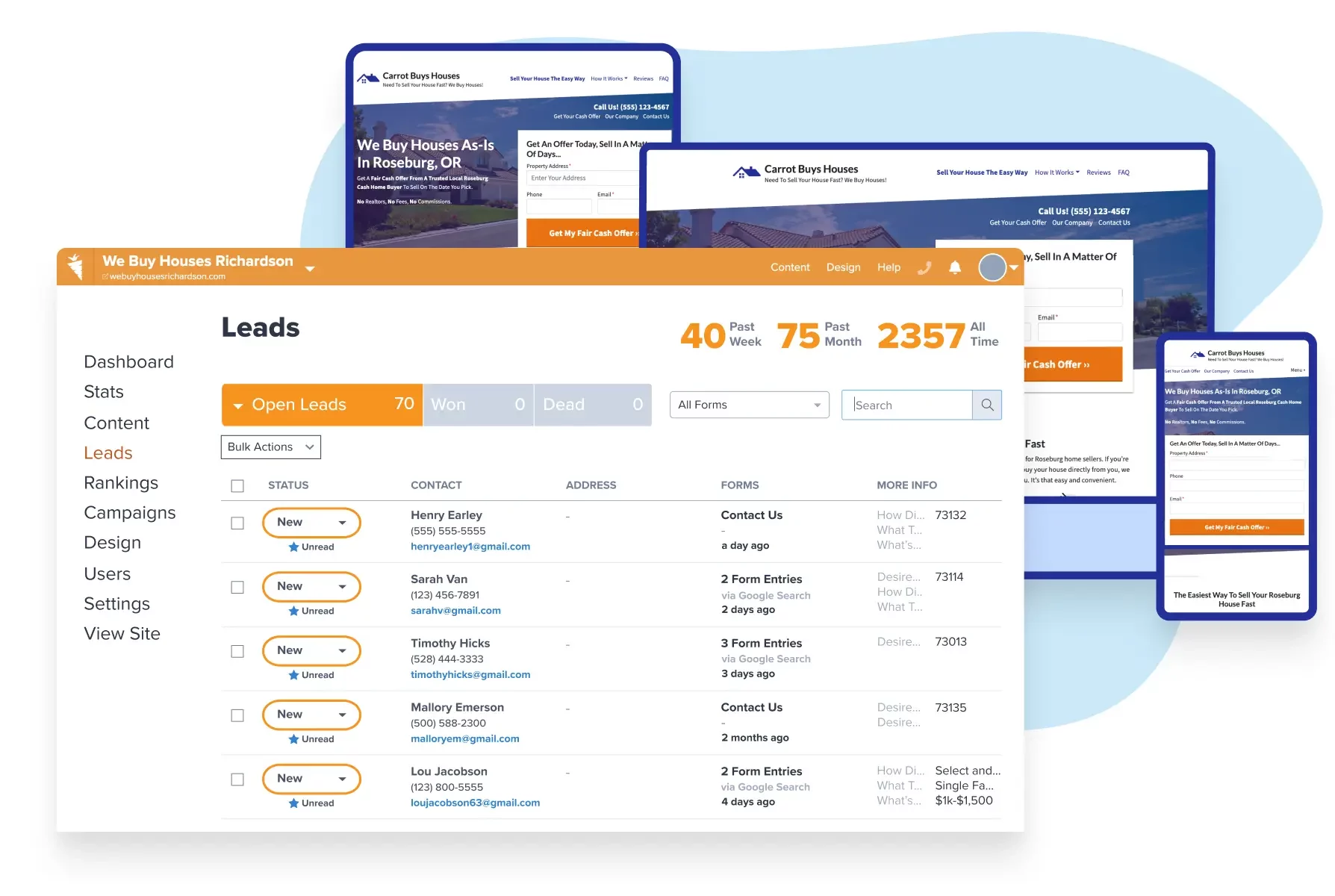
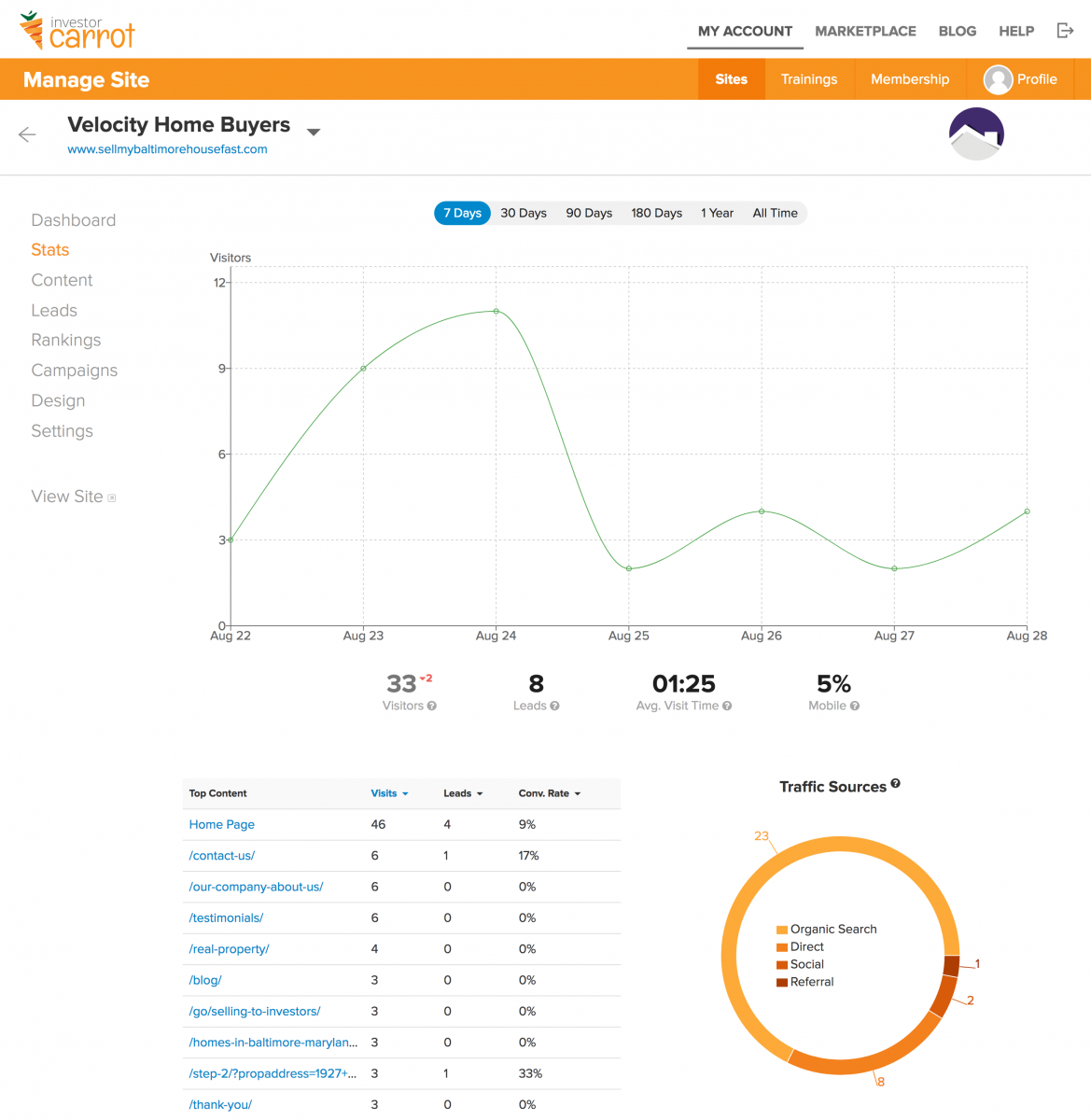
We’re constantly improving things around here to provide more value and an easier experience for Carrot members. Today, it’s your website’s “Stats” view.
Here’s what you need to know about our new Carrot Member stats dashboard.
1. We redesigned the layout of the main stats page, simplifying it and making recent changes and noteworthy stats stand out more.
2. Improved loading speed.
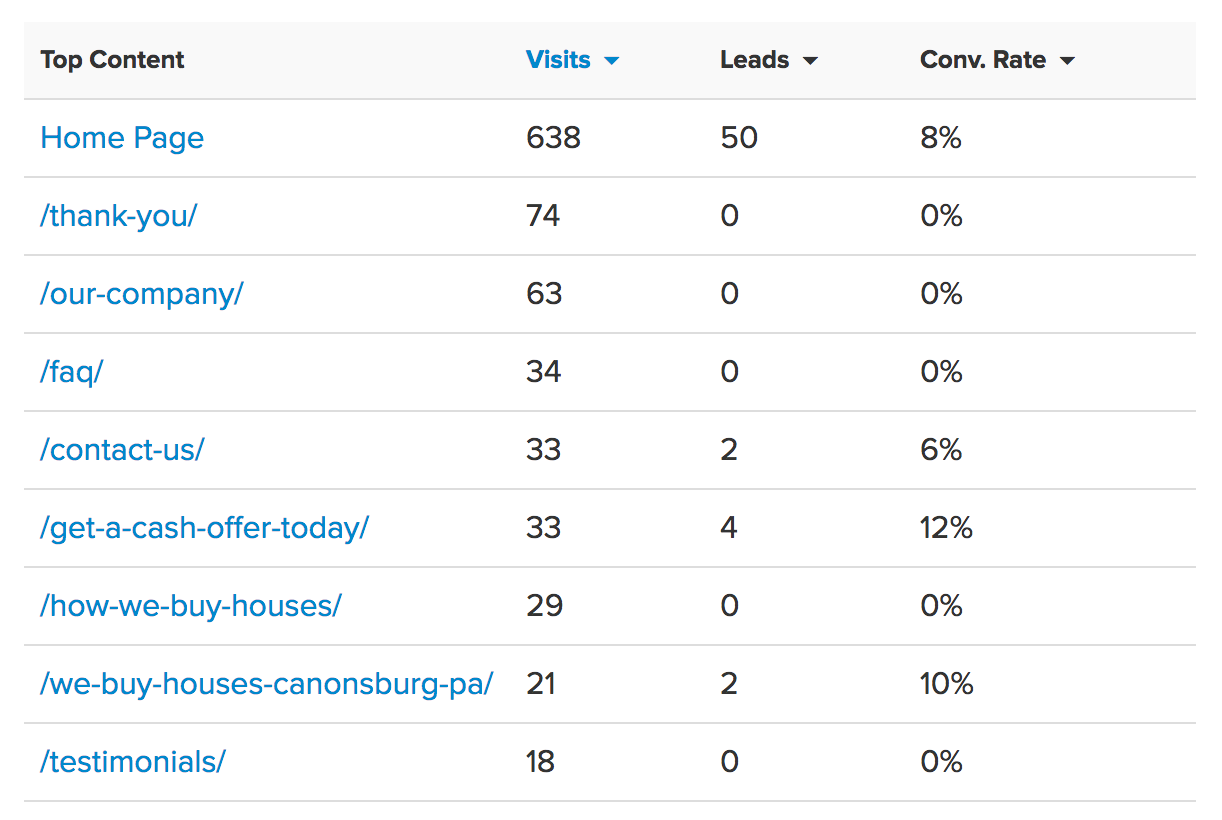
3. We reorganized the page data. You can now see which page gets you the most leads, visits, and conversions.
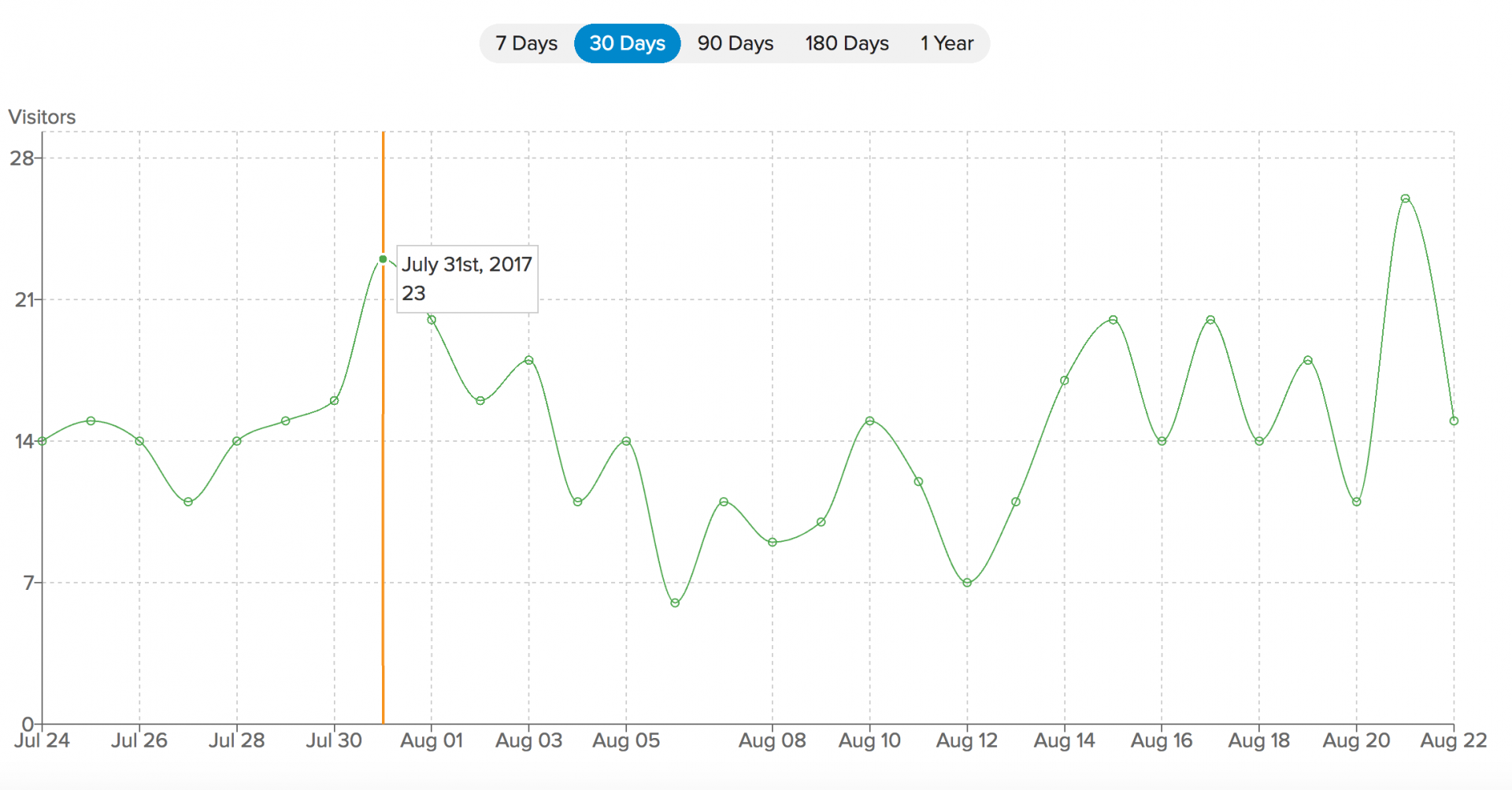
4. We incorporated interactive graphs. You can now scroll over each data point to easily see specific daily numbers.
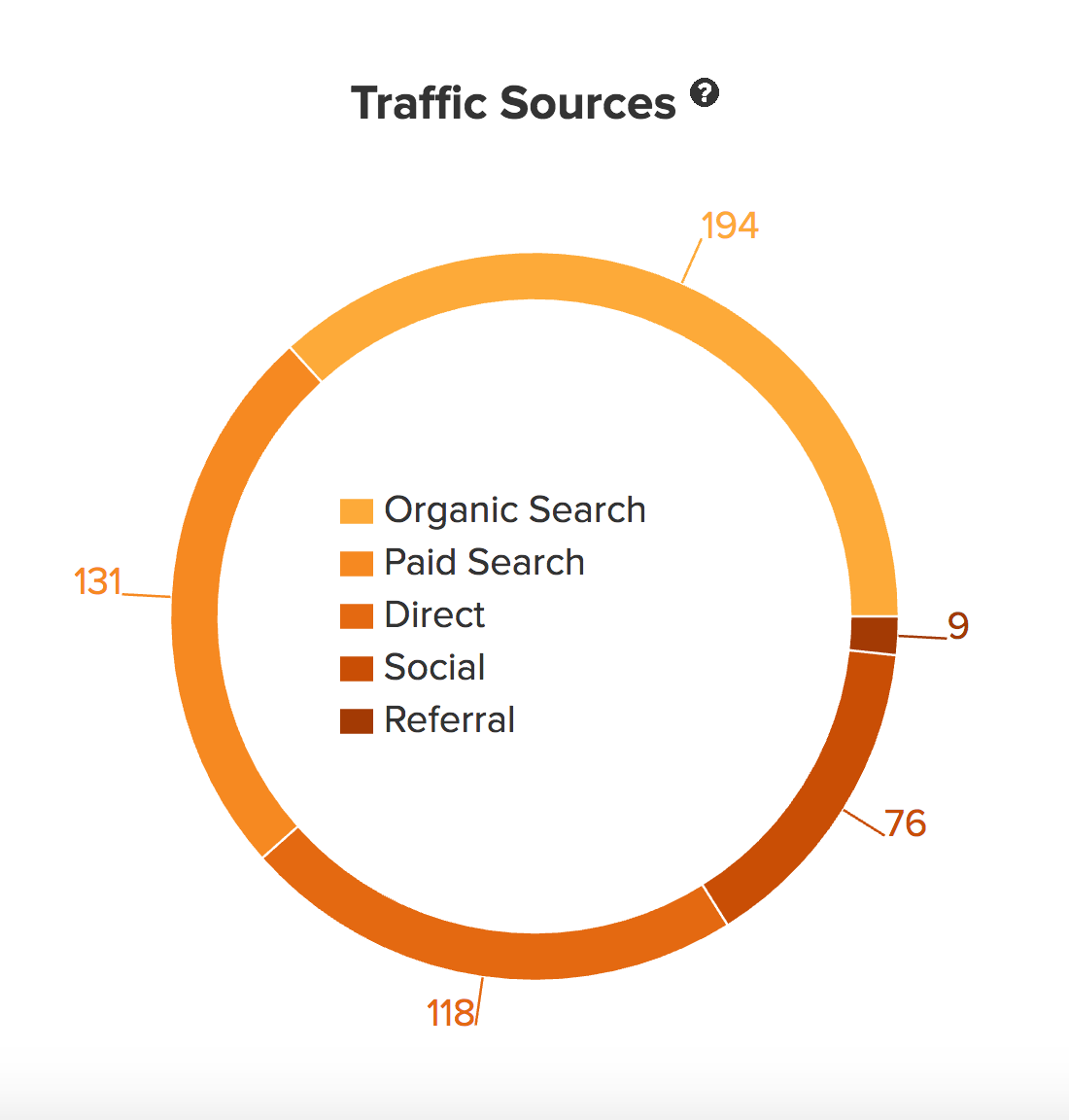
5. We included a donut graph for acquisition sources (partly because everyone loves donuts and partly because it’s easy to read).
Take advantage of the new data.
As usual, we would love any feedback you have on these changes. Go check them out in your dashboard and come back here and comment and let us know what you think.
Think of the companies that you admire. Think of the companies that you work with all the time. Oftentimes, the ones that you really admire and you keep on buying from over and over again — think Amazon or Apple or name the local one that you really appreciate — each and every time, they all have something called a unique selling proposition (USP).
USP: Their unique advantage that they serve in the market. It’s something that no one else can claim but them.
One thing that a lot of real estate investors and agents don’t do is they don’t come up with their own version of their USP real estate pitch.
They put out the exact same message that every single person in their market is putting out. If you’re a real estate agent, “Hey, we can sell your house. We can show you homes.”
Everyone Is Saying The Same Thing
What are you doing to separate yourself from the 400 other agents in your market?
If you’re a house buyer or house flipper, what are you doing to show the sellers or buyers or tenants that you guys are different?
The thing is you go to nine out of 10 real estate investor websites are going to be showing the exact same message.
They’re going to be saying, “Hey, we can buy houses. We can buy them fast.” You know, “Fast cash closing.” Those types of things.
If you’re saying the same thing, how is it that someone is going to choose to work with you versus working with someone else?
That’s what we’re going to be talking about today on this Whiteboard Strategy Sketch is a unique selling proposition.
Especially in the cluttered market right now. The market’s going up, which means a lot of investors want to pile in and start flipping houses or wholesaling. A lot of real estate agent prospects are piling in there, wanting to sell houses, because it’s easy today. How do you stand apart?
The Solution: Having A Unique Selling Proposition For Your Real Estate Business
The people who are doing that are the ones winning the market. The people who are not doing that are going to close some deals probably, just by the sheer mathematics of getting leads, but the ones who are actually coming with a unique selling proposition are going to be here through the market cycle.
They’re going to be here in the next cycle. They’re going to be here in a year, in two years, in five years. All right, so a unique selling proposition is the key.
What’s Your Unique Advantage?
The first thing is, what’s your unique advantage? What is it that you have that no one else can claim? This goes directly into the next one. No one can claim the same thing. Okay, so this is something where it could be your experience.
It could be a unique process that you have in your business. It could be the credibility that you have based on the experience that you have. What is it that no one in your market can claim the same?
As an example, we’re working with a local real estate brokerage here. They are the number one, the largest, privately-held brokerage in Douglas County which is sweet. No one can claim the same thing.
That’s one of their unique selling propositions. They probably have several others. One of the other unique selling propositions, they’re amazing at commercial real estate.
No one can claim the same, that they have two CCIM-accredited brokers that are specialized in commercial. That’s something that’s an advantage to them.
If you don’t pull that out and put it in your marketing, put it on your website, then you’re not using your unique process, your unique selling advantage, as an advantage.
A Few Examples
Another one, your unique selling proposition creates a massive advantage in the market. With Carrot, let’s kind of bring it home to us.
We don’t just put out websites or software, okay? If we did that, we would be one of the many others who do that, but we have a unique selling proposition. Our unique selling proposition is you get better results when you work with us.
You get a higher ROI with your ad spend. You get a higher ROI with your marketing. Okay, we’re going to help you with our software and our training and our support to get a better result, so you have less of what we call phantom expenses: fewer things where you get a lower ROI because of underperformance.
That’s one of our unique selling propositions out of many.
What is the one advantage that you have? One company that you guys have probably heard of, it’s a national company. It’s actually a Silicon Valley-funded company called Opendoor.
Many of you guys have heard of Opendoor. They’re in Phoenix. They’re in LA now, in Las Vegas I think too. If you go to their website, and people are wondering, “Why is Opendoor doing so well?” They’re doing a lot of direct mail. They’re doing a lot of online marketing. What is it about them that’s doing so well? If you go to their website, number one, they’re insanely, insanely transparent about their offer process.
There are no questions on exactly how they come about a price to offer the seller. That’s a unique advantage because all of their competitors are hiding the way that they come up with their offer.
If you’re one of the people who is just saying, “Oh, I’ll offer you money. I’ll offer to buy your house,” but you’re not uncovering the process in how you do that so they know that it’s a fair process, then you’re at a unique disadvantage to a company like Opendoor. They’ve got that unique advantage.
Another thing on their website if you check it out, they’ve been a part of over 4,000 transactions.
No one can claim the exact same number because that’s unique to them.
Put that on your website. If you’re an experienced investor and you’ve done 20 transactions or hundreds or whatever it is, use that unique advantage to your own benefit. Put on there, “Hey, helped hundreds of local home buyers, helped hundreds of local home sellers,” that’s unique to you specifically, or use the exact number, even better.
Maybe you have an insanely high rating on Zillow. You’re the number one agent on Zillow. No one else can claim that but you.
Maybe you are the number one commercial or you’re the number one North Umpqua River, that’s a river that we have here, one of the rivers here in Roseburg, you’re the number one river real estate agent in the entire area. Claim that if you can claim it.
Then challenge your other competitors to come over the top of you and claim that space.
It’s Hard To Win Without A USP
What is your unique selling proposition? If you don’t have one, the likelihood of you crushing it in this market and being here through the market cycle is probably pretty low.
If you’re a new investor, you might be going,
“Oh my gosh, I don’t have a unique selling proposition. Does that mean I should quit my business right now?”
The answer is no. There is something unique about you that you need to put out there. If you don’t have something, you really do need to work on it. You should also look at your business model. Don’t just copy the business model from your coach.
Find a way that you can make it better. What in your process can you do that’s different? What in your process can you do, in your offering process that you can do that’s different or better?
Express Homebuyers out of Baltimore, okay, they have done over 2,500 real estate transactions buying and selling homes themselves. One of their unique selling propositions is they’re going to get you an offer within like seven minutes, I think it’s something like. Don’t quote me on that, but it’s something like that. All their advertising hones in on this one USP: get an offer within seven minutes. That’s their claim to fame.
What is yours? Find your unique selling proposition.
Put it into all of your marketing so you have something that’s clearly, clearly different than your competition.
How serious are you to build your business? You have to have a unique selling proposition.
Otherwise, no one’s going to think you’re unique, and you’re a commodity, so go out there and do it today!
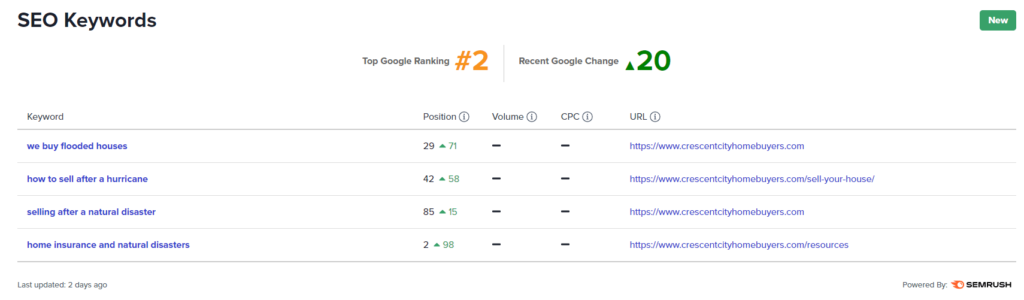
Did you know that websites ranking in the top 3 positions for relevant keywords receive an average of 53% of all organic traffic? This highlights the critical role of keyword ranking in driving organic traffic to your website and achieving your business goals. You can significantly increase your online visibility and attract more potential customers by effectively tracking and optimizing your keyword rankings.
That’s why we created our Keyword Rank Tracking tool.
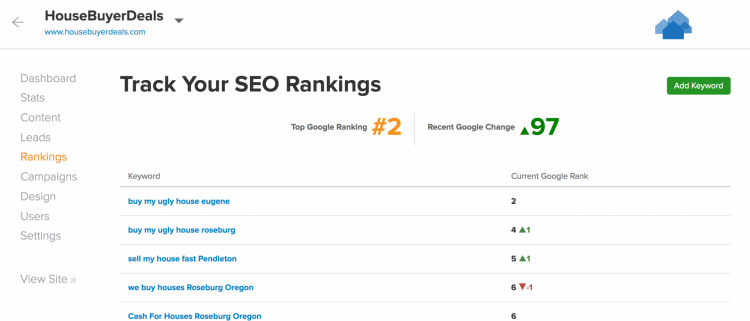
A keyword ranking tracker can help you improve your website’s SEO by showing you where your website ranks for a particular keyword. This allows you to see how your site is doing and make changes to improve your rankings. It also helps you to identify which keywords you should be targeting.
Carrot’s Keyword Ranking Tracker
Stay ahead of the curve with our intuitive Keyword Rank Tracker. Easily monitor the performance of your most valuable keywords over time. Simply input your target keywords, and we’ll diligently track their progress.
Our tool provides invaluable insights into your site’s online visibility and performance, empowering you to make data-driven decisions that drive results.
Key Features:
Effortless Keyword Tracking: Add your target keywords, and we’ll handle the rest.
Comprehensive Data: Access crucial metrics like average cost per click and total search volume for each keyword.
Actionable Insights: Gain a deeper understanding of your site’s performance and identify areas for improvement.
Our software will automatically start tracking the keyword phrases that you enter, updating weekly (rankings don’t change much from day to day).
You can even click on a keyword to find out how you’ve ranked over the last year or month.
Why Is It So Important To Know How You Rank In Google?
Where you rank in Google determines if motivated house sellers find you when they search.
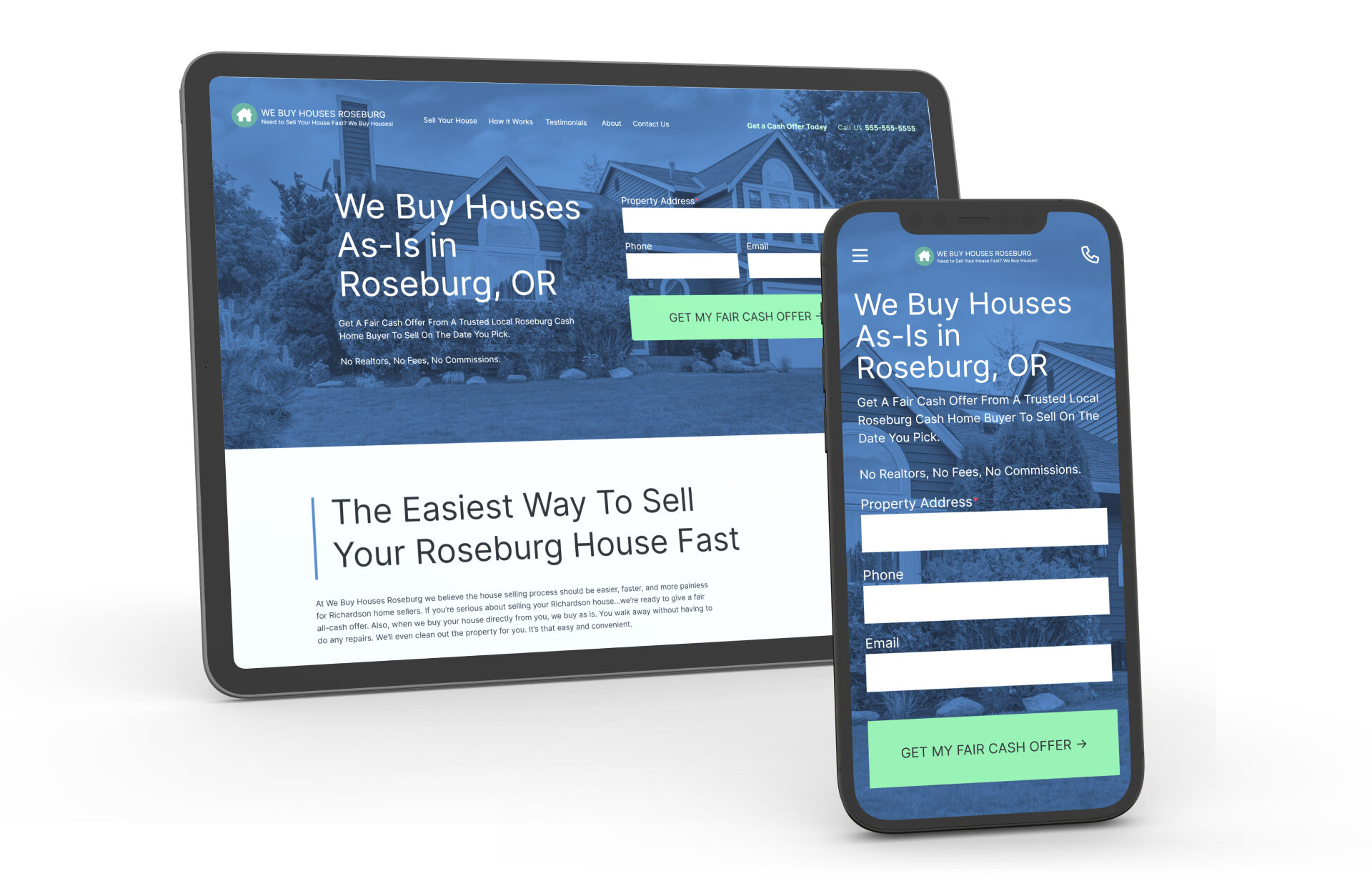
For example, if your real estate business is based in Roseburg, Oregon, and someone searches, “Sell my house fast in Roseburg, Oregon,” your only chance of being seen is if you show up on the first page of results.
“The first page of Google captures at least 71% of web traffic (some sources say up to 92%), and the second page is far from a close second: It drops to 6% of website clicks.”
That stat illustrates precisely why we’re releasing this feature. It’s like the old adage goes,
“if you don’t where you are, you won’t know how to get where you’re going.”
We want to help you to know where you are.
In other words, we’re so confident of our service and your genius, that we’re giving you a measuring stick for your website.
Do I Have Access To The Keyword Ranking Tracker?
We are giving this to you for free.
To become the SEO masters that you and all of us here at Carrot want you to become, you need to know how you’re ranking. And that’s exactly what this new tool provides you.
For those of you who need to track more keywords than the provided amount, there is a good chance that — in my completely uninformed, uneducated, and ignorant opinion — that problem will work itself out in a couple of weeks. But what do I know? 😉
How Do I Use The New Keyword Tracking Feature?
It’s simple: insert a keyword like “we buy houses in Cincinnati, Ohio,” and we will tell you where you rank for that keyword.
But… a word of caution.
Don’t go too broad. You might be disappointed with the data that is returned. Getting on the first page for broad terms like “sell my house fast” takes much time and SEO expertise. Add in your location, like the Roseburg example above, to shrink your competition.
Above all, though, play with it. Try different keywords, see how your site is performing, and then ask yourself how to improve your rankings.
Oh… and let us know what you think of this new feature in the comments! We’ve been playing with it like crazy.
Okay, okay, now… you may stand.
Sound Off Below About The Keyword Tracking Tool!
Please comment and ask questions below… If you’re not a Carrot member yet but are considering it, send me your questions!
We’re here for you and would love for you to contribute to our members’ success (70k+ leads per month and growing!).
If You LOVE Tools that Can Help Our Members Succeed
Our team is always working behind the scenes to roll out amazing features that save you time and help you generate more leads.
Learn more about some of the latest SEO and Content features available to our members:
Keep an eye out in your Carrot accounts for more product updates and on this blog for the official release.
Start Using These New Carrot Features Now…
Or, be the next new member to crush it with Carrot’s real estate investor inboard marketing system—the next step to the world’s strongest and simplest real estate platform.
Not a Carrot member but I love what you’re seeing.
According to the U.S. Small Business Association, only 56% of small businesses with 50 or fewer employees have a marketing plan. Almost half of smaller businesses are missing out on leads and sales.
Here are four other reasons why a marketing plan is essential for your real estate agent or investor business.
It forces you to think about where you’re going with your real estate business. Creating a common goal to drive towards.
It ensures that you’re aligned with your company values.
It serves as a foundation for your marketing activities. If you build a house, you start with a solid foundation. Same thing with your marketing plan.
Possibly the most important – it gives you a process. Without a process, you won’t have the direction you need and will likely either be going off course or starting to feel confused about your marketing efforts. The process can also act as a measure of your failures and successes.
Sample Real Estate Marketing Plan
At its basic level, a real estate marketing plan answers a series of questions that helps you define your ideal targets and craft your business’s most compelling offers into a cohesive story. It uses good distribution channels to reach your ideal targets.
Here are the questions you need to ask when making a good real estate marketing plan:
What are your goals?
What impact do you want to have on your communities?
Is your market saturated with similar offers, or is it ripe with opportunity?
How tough is your competition?
Who is your ideal target?
What are your Strengths, Weaknesses, Opportunities, and Threats?
What are your compelling offers?
How will you reach your target audience?
What is your marketing budget?
What keywords are the best opportunities in your market?
First things first: you need to set your goals and objectives.
Clearly, state what you want to accomplish for yourself in your real estate business. If you’re an investor, it could be buying 50 properties this year. As a real estate agent, you might consider closing 100 listings.
Or, in both situations, you could want to get your brand or name out more for recognition. It could be that 50 percent of your target market knows who you are. Set goals that you can quantify to record and track your accomplishments.
Develop a 10,000-foot vision for your business, such as…
Become the top producer in your area
Retire in 10 years
Control particular niches of buyers and sellers
Then quantify that vision with measurable goals. Measurable goals might include:
Obtaining 50 listings in the next year
Close 10 deals in your target market area in 12 months
Earn referrals from 50 percent of your past customers
Purchase 10 single-family rental properties in the next 48 months
What Impact Do You Want to Have in Your Communities?
You want your real estate business to be sustainable and build a good relationship with your community. How you approach and treat your clients has a tremendous impact on how your business is viewed within your market.
Your clients directly affect your business reputation, lead, and deal volume. But it’s not just your direct clients. Anyone that you interact with can be considered an indirect client. Residents, Facebook friends, your website host, employees, contractors, partners, and suppliers.
You must constantly assess your behaviors and their impact on your local community and the broader audience.
Then you can assess and find your niche within. What events to attend and who to build relationships with. Your community approach will also help you create your immediate and long-term business needs.
Is Your Market Saturated with Similar Offers?
You want to build strong relationships with your customer base. As you’re maintaining a high value and positive service for your customers, they’re more likely to spread the word among their peers.
If you’re in a competitive market and find it hard to make your marketing stand about your competition, then be sure to make your service and client experience stand out.
Marketing Strategies for Real Estate: How Tough is Your Competition?
First, you need to identify your competitors. Take into account your potential or future competitors too.
There are a couple of methods you can use to do this.
1. Look at them from a customer’s point of view
If you can look at your competitors from a customer’s point of view, you’ll be able to spot some of their larger strengths and weaknesses.
It’s a fun yet challenging activity to think like a customer. Why would a customer want to use them as a real estate service? Is it because they can offer more and faster payment turnaround time, or do they have top-tier customer service? These could all be strengths for your competition.
Become your ideal client and put yourself in their shoes. Wonder why you would be more likely to deal with them instead of using your company to accomplish their real estate needs.
2. Look at them from their point of view
Next, take a look at their point of view. This can help you understand their strategy, culture, and attitude toward the market. Take a look at what assets they bring to the field and how you would use them if they were yours. Take a look at what you interpret as their weaknesses.
How could you commit to making those weaknesses into your strengths?
Ask and answer these questions before your analysis:
Before you dive into your real estate marketing competitor analysis, be sure you’re asking the right questions. Here are some common questions to get you started:
Who are your competitors?
What types of services are they using?
How much market share do they have?
What have been some of their past strategies?
Are they using the same strategy?
Are they aggressive with their real estate marketing?
How competitive are they in the market?
What are their strengths and weaknesses?
Are they a threat to you? If so, how big of an impact can they have?
Does their marketing strategy affect yours or how you do business?
Who is Your Ideal Target Audience?
Create a simple paragraph profiling your ideal real estate target audience. Create a customer avatar regarding these demographics: sex, age, family, earnings, lifestyle, and geographic location.
Ask yourself questions about your customers, such as:
Are they followers or leaders?
Are they timid or aggressive?
Are they introverts or extroverts?
How often are they likely to move?
Are they traditional and bear more of a connection to the community?
No matter your real estate market, you’ll need to define them in this section narrowly. It is an important step that will guide you as you plan your media and public relations campaigns.
What are your Strengths, Weaknesses, Opportunities, and Threats?
Performing a SWOT Analysis is a crucial step when creating your real estate marketing strategy.
The term “SWOT Analysis” sounds like a daunting task. But, it can be simple.
It’s broken down into two categories:
Your internal issues: Strengths and weaknesses
Your external issues: Opportunities and threats
This analysis will allow you to see what factors will help you achieve your objectives due to your strengths and opportunities.
It will also highlight what obstacles you must hurdle before achieving your real estate goals due to your weaknesses and/or threats.
Overall, the SWOT analysis assesses your real estate company’s strengths, weaknesses, market opportunities, and potential threats to give you insight into the possible issues that can impact your success.
The number 1 goal of a SWOT analysis aims to determine and assign all important factors that could positively or negatively impact the success of one of the categories, giving you an in-depth view of your real estate business.
Four Categories Of SWOT:
Strengths:
What are the advantages of your real estate business?
What can you do better than your competition?
What exclusive resources can you use that others can’t?
How does your market see your strengths?
What factors into you closing the deal?
What is your company’s Unique Selling Proposition?
When considering your strengths, look at your internal employees and external customers/market.
Weaknesses:
What might you be able to improve on?
What locations and markets should you avoid?
What potential clients within your market might see as your weaknesses?
What factors cause you to lose the deal?
Again, account for your internal and external clients. Do your clients see weaknesses that you haven’t seen? What are your competitors doing better than you right now?
Weaknesses can be a gut check. But stick with it and be as realistic as you can.
Opportunities:
What positive opportunities are available to you?
Are there trends that you need to know?
Some of the positive opportunities you can take advantage of are:
Changes in real estate technology. For example, recording a video testimonial and uploading it to Facebook as soon as you record it.
Changes within the real estate field. Are more real estate agents becoming investors or vice versa?
Changes in the economic status and population profile within your market.
Are there any local events you can help organize or lead within the real estate niche?
Take a look at your strengths and weaknesses as you approach your opportunities. They can provide invaluable information on what you can work harder to improve upon.
Threats:
What obstacles do you need to hurdle in your market?
What are your competitors doing?
Are there any technical issues that are threatening your market position?
Do you have cash-flow problems that you need to address?
Do you have any weaknesses that are threatening your business?
Once you have chosen your real estate business values within the four SWOT categories, you can develop a more strategic plan.
For example, once you’ve identified your weaknesses and potential threats, you can create a plan to eliminate or at the least minimize them while continuing to improve upon strategies that will make you a more robust business.
To create your compelling offers, ask yourself the following questions:
Who do you sell or buy real estate to or from? Be highly specific.
What are the problems that you help them solve?
How do you solve their problems?
Why are you better at solving their problems?
Now create your compelling pitch like this:
How [insert who your ideal client is] can [insert verb] [insert the problem] through [insert solution].
How Will You Reach Your Target Audience?
Getting your audience to engage with your content is essential for connecting with your target market online. The online real estate market is increasingly growing and vying for client attention.
But, even the investor or agent with a small budget can succeed with the right strategies.
Start by narrowing it to a highly targeted audience.
If you offer buyer and seller services, your target currently includes more people in your local market.
For example, focus on only one section of zip codes within your market city. Then expand your area as your finances and business grow.
So, choose a specific area of your market and focus efforts there. Then expand.
A second option will be to focus on the seller or buyer market if you’re a real estate investor. There are specific factors to consider, but marketing towards the seller’s market is most likely the one to go after.
Your marketing costs within major cities will likely be expensive, so media such as Google Ads might be too high unless you can target slightly out of the city.
If you don’t have the budget, take advantage of pricing within the suburban markets.
The other thing you need to do is get your website organized to target your audience. If that requires creating city-specific pages, then you need to do that.
Also, get one of the most overlooked pages, your “About” or company page optimized. Be sure it includes your city or area, how you conduct your business, and your process. Spell out your strengths and why they should choose you over the competition.
What is Your Marketing Budget?
Having a solid marketing budget is integral to being realistic and will help you improve your revenue over time.
You can overspend on marketing costs if you don’t know your budget. Therefore causing an unwanted and bad experience.
Here are a few steps to help you organize your budget and determine where to spend your marketing dollars strategically.
Your first step needs to be organizing your current financial positions. You MUST be specific. If you’re too loose and choose to estimate, it creates an unrealistic budget.
This starts with getting in order your revenue information. You’ll need to know how much revenue your real estate business makes every month. Even though your income varies throughout the year, you must have a number based on reliable revenue (the minimum amount of money you make each month.)
You’ll also need to minus business expenses. Rent, materials, the cost of VA’s, etc.
Any business expense must be subtracted from your revenue before nailing down your marketing budget. Setting a realistic budget is one that focuses on income that exceeds expenses.
After you find your available disposable income, you’ll need to determine what that money will be. Although marketing is a major area to focus on, don’t forget to set aside a budget for unexpected circumstances and growth.
Separate your money based on your goals. You will invest more money in online marketing if your primary goal is attracting leads.
But, if your goal is to hire more VA’s or full-time assistants, you’ll want to put more income into your company’s growth and set aside less for marketing until you’ve been able to close more deals.
2. Determine where you want to allocate your funds
Once you have calculated what is available to spend on marketing, your next step is organizing and prioritizing your money.
There are three main elements to how you spend your marketing dollars:
Budget size
Your past experiences
Reaching the optimum target audience
Start by organizing how to spend the budget based on the amount. If you have a small, more limited marketing budget, you should probably consider Craigslist ads, Facebook ads, local citations, social media posting, and email advertising to attract new clients.
A heavier marketing budget would provide the opportunity to include direct mail, bandit signs, and Google Ads to attract an expanded range of clients.
Apart from any budget limits, don’t forget to consider and implement what strategies have worked for you in the past. You might have noticed postcards helped bring in more clients during a specific time.
Then do that same strategy again, even if you still have more budget for more expensive marketing methods.
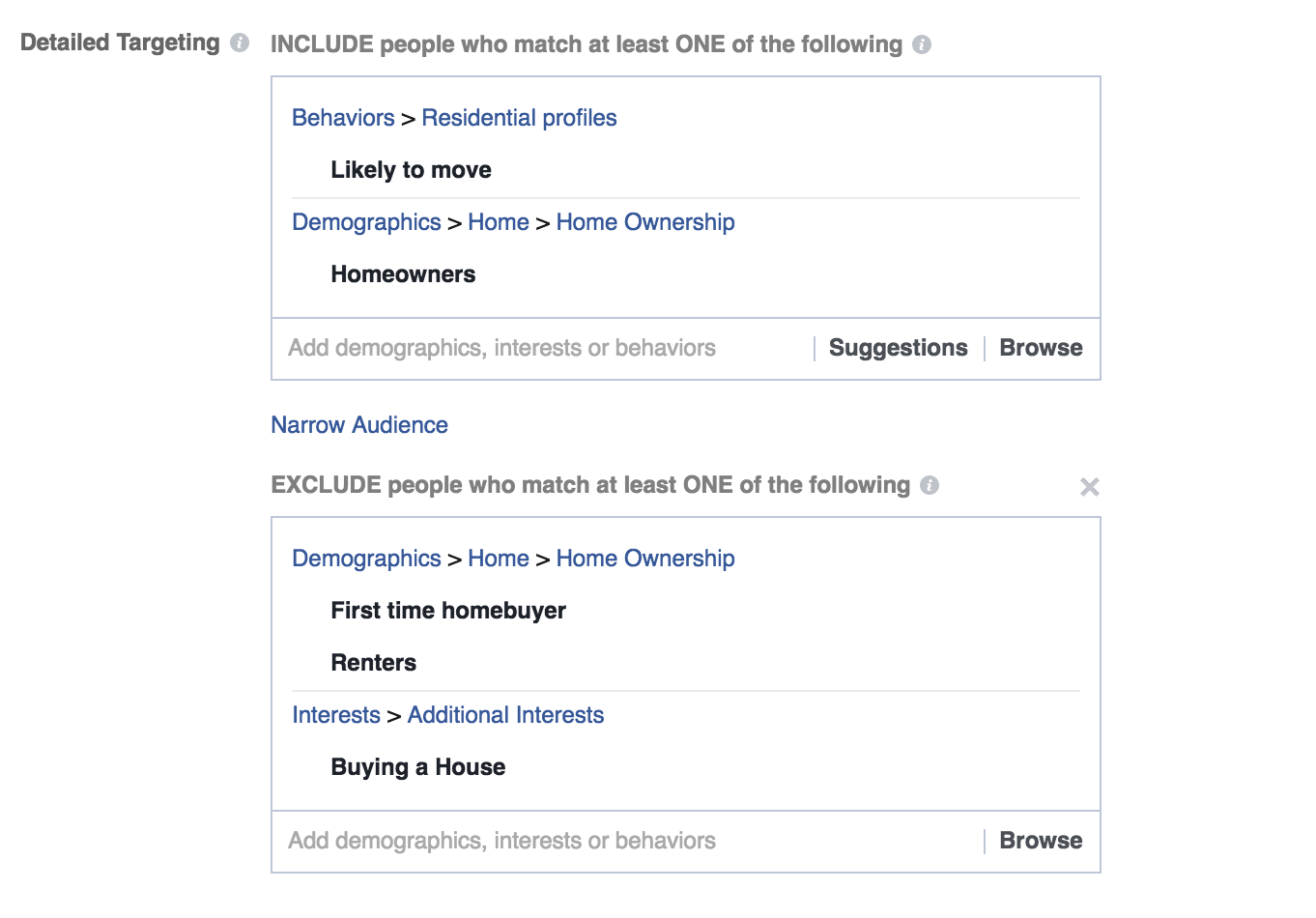
Also, don’t overlook the marketing channels that will help you target and reach your optimum audience. For example, Facebook advertising is an effective channel for targeting motivated sellers, but you still need to create the right audiences to filter out potential buyer leads.
Facebook Ads Audience for Real Estate
Create and document very detailed customer avatars. Then, think about which media they’re more likely to consume. That is the spot where you need to be advertising.
If you’re considering testing a new marketing channel, allocate some funds for that test. Start with a small budget since you don’t know how effective the new channel will be.
For example, if you enter the Google Ads marketing channel, start with a small campaign with highly targeted keywords and a budget.
Only allocate more budget after you gain enough data to determine if it’s working for you. If it works, pull more funds into the new marketing channel.
What Real Estate Keywords Are the Best in Your Market?
How do you use real estate keywords? If you are only using them to optimize your website for search rankings, you could be missing out on other ways to gain visibility within your target market.
Get into the mindset to use your keywords in your online and offline marketing.
Here are some platforms where you can utilize your real estate keywords more:
Real estate website optimization (homepage, landing pages)
Real estate social media profile optimization (Twitter, Instagram, Facebook)
Offline marketing (postcards, bandits signs, direct mail)
Using real estate keywords should not be limited to your digital marketing efforts.
Find different ways to plug them into your offline practices as well.
For example, are you sending out flyers or postcards that take advantage of some keywords?
Are you placing bandit signs around your target market with specific messages and a phone number in case they’re sitting in a parking lot and want to write your number down to contact you later?
If you’re using this kind of marketing and not some keywords, it’s time to readjust your strategy.
Keywords hold a lot of power in online marketing but can be effective offline too. Just be careful that you’re not infringing on trademarks. If you question a keyword phrase, check it out first.
This plan assumes that you’ve got a website that has been proven to convert leads.
If you’re trying to scrape together a bunch of tips to save a few bucks on building your website, you’re doing it wrong. It will cost you much more than the monthly membership price to build what we’ve built.
There are a few things you should do first to get that website up and running, and these only take a few minutes:
Get your testimonials on the site because social proof and credibility are essential to conversions.
Make sure the copy on the site reflects your business and is in line with local laws (for example, if you or your team have a real estate license, you’ll need to change the copy to make sure you’re correctly disclosing your license… but you should make that into a benefit since a license gives you more options for sellers than someone operating without one).
Okay, so that last one might be complicated if you’re new to the business… but you need to be making sure you’re aware of the laws around you since being ignorant isn’t an excuse if you’re trying to get out of a five-figure fine for operating without a license (in some states)…
This reminds me that I need to mention we’re not attorneys or financial advisors; all of this stuff is just general advice. You need specific, professional advice on your real estate investment business…
Having a competent lawyer ensures you’re not offering something illegal without knowing it is a good idea.
There are a couple of ways to use these questions…just cut and paste them into a document and start answering them if you’re ready.
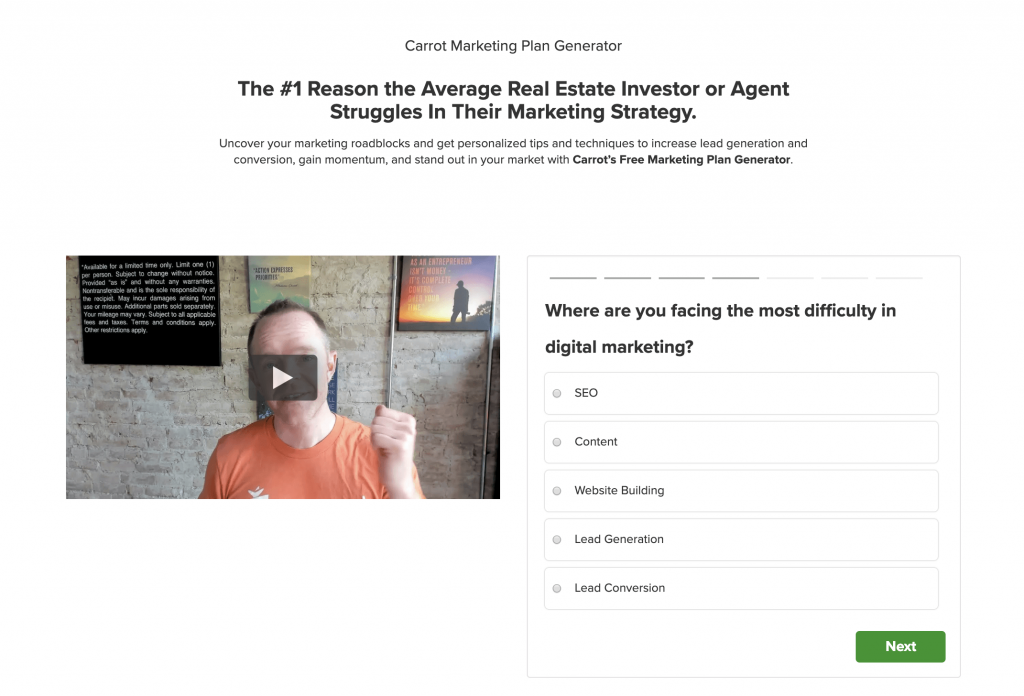
Want our help in making your real estate marketing plan?
Local real estate citations are an important local SEO ranking factor and an integral piece for your real estate marketing framework.
Along with other factors such as backlinks, local citations are one of the leading ranking factors for search engines to decide on the relevance of your website for local search results.
Basically, a real estate business that is consistently mentioned on other trusted and relevant websites achieve higher rankings in search results than a business that is never mentioned.
Obviously, ranking high for search results means that more potential leads will find your real estate website, which will have a positive impact on both on and offline traffic, branding, and conversions.
Doing this ONE SIMPLE THING may help push you over the edge and could very well be one of the most effective SEO things you do this spring.
Get an advantage with your Carrot site and learn how to drive quality traffic to your site.
What Are Local Real Estate Citations?
First, don’t confuse citations with links.
Remember,citations are just mentions of your name, address, and phone number. Google will increase your business’s relevance and strength within your specific city or region.
Yes, some of your business listings within the citation sites include a link to your website, but very few contribute to any Page Rank or “link juice”. Basically, you are claiming your digital footprint with Citations.
Moz explains local citations as:
Citations are defined as mentions of your business name and address on other webpages—even if there is no link to your website. An example of a citation might be an online yellow pages directory where your business is listed, but not linked to. Citations can also be found on local chamber of commerce pages, or on a local business association page that includes your business information, even if they are not linking at all to your website.
Citations are a key component of the ranking algorithms in Google and Bing. Other factors being equal, businesses with a greater number of citations will probably rank higher than businesses with fewer citations.
Citations from well-established and well-indexed portals (i.e., Superpages.com) help increase the degree of certainty the search engines have about your business’s contact information and categorization. To paraphrase former Arizona Cardinals’ coach Dennis Green, citations help search engines confirm that businesses “are who we thought they were!”
Google is always looking for websites that are real. Citations are one way to show Google that you’re a legit and real company.
Why Are Local Real Estate Citations So Important For SEO?
So, why are building citations for local SEO so important?
One reason is the vastly growing mobile search factor. According to a study done by Search Engine Land, 78% of local searches on mobile and 61% of local searches on laptops resulted in offline transactions.
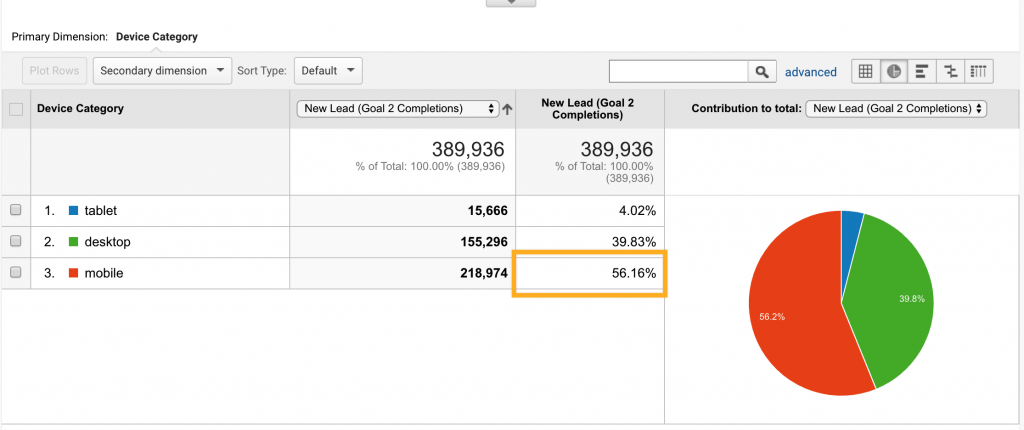
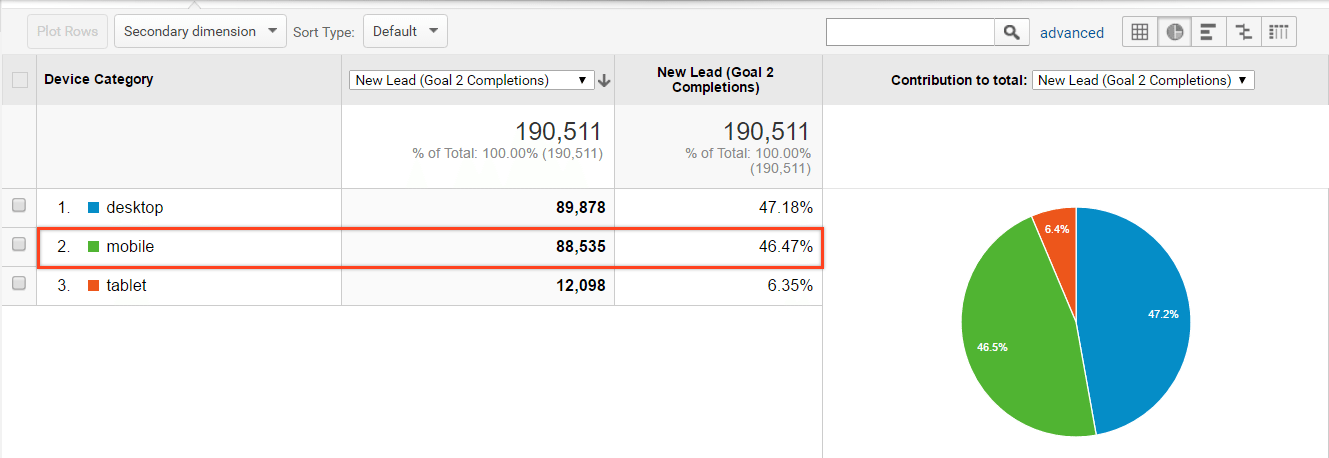
Mobile devices (not counting tablets) account for over 56% of our member leads. There will continue to be a steady rise in consumer and company adoption of mobile devices.
It’s not a question anymore if mobile is important for real estate. It’s here and you MUST pay attention to it.
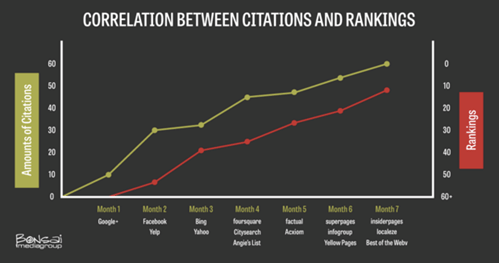
Another reason: Citations Correlate with Search Rankings
Local citations improve your search rankings through ongoing creation of relevant and consistent NAP information (name, address, phone number) across hundreds of websites, also known as citation sources.
The more consistent, relevant and localized your citations are, the more likely your business will be at ranking for people searching for your services and products in your area. Citations are basically another source of credibility that both Google & Bing consider when your business NAP is consistent across the web.
The number one most important thing: Make sure your NAP is 100% correct every time.
DON’T GET IT WRONG
Overall, the biggest contributor is the citation. There is link value within your listings that help strengthen the association of your website with your NAP information.
So, what is NAP?
NAP stands for Name, Address, and Phone Number. It is a crucial piece for any business who is striving to rank well in the local organic search results.
Search engines like Google take your information into account when determining which companies to show for local, geo-targeted, searches.
Again, it’s extremely important that you make sure your NAP is 100% correct. That takes into account, both your NAP on your website as well as any other sites that you have your information on throughout the internet.
It’s a consensus that local SEO experts believe Google, Bing, and all of the other search engines link your NAP information across websites that contain this information as a validation that you are a real and legit business.
The more localized citations you can build up with consistent NAP information, the better your chances are of ranking higher.
You should enter your NAP information into a directory with a strong reputation. This is especially true with real estate specific directories and/or your local directories.
Before You Dive Into Building Your Local Real Estate Citations
Prepare yourself by using this little cheat sheet of the most commonly asked for pieces of information.
Your Name
Company Name – The company’s exact name
Email Address – Your email that will be connected to your business
Address – The company’s exact address
City – The company’s exact city name
State- The state the company resides
Zip – The zip code of the company
Phone Number – The local phone number of the exact business location
Company Website Landing Page – The landing page for the business
Set up a dedicated email address
Don’t use your main email address or your personal one. These business directory websites usually make money by trying to sell advertising services. So you may start to get a lot of “junk” email and some solicitation phone calls. The calls will tail off within a month or two, but the emails can really fill up an inbox. Use the email address to confirm submissions, then let it capture the sales emails so it doesn’t clog your normal inbox.
Top Real Estate Citation Sites
Here are some of the top real estate citation sources. Please note that some of these services require a paid membership.
If you decide to take on citations yourself, it takes about 3-6 hours for the building process.
To get started, go to each citation website and submit your listing.
It varies on how long it’ll take per submission, but plan on 10-15 minutes each. You’ll be required to confirm each submission in the dedicated email account you setup.
Some listing go live fast, others may take weeks, others months. But the majority of them should be live within 2-5 weeks.
In general, SEO Rankings take:
Zero Competition Market: 2-3 Months (if there’s zero competition there’s usually not much opportunity)
Small Competition Market: 6-9 Months
Medium Competition Market: 1 Year
High Competition Market: 2+ years
Typically if you’ve done them right and you’ve completed 40+ on quality sites… you can see a ranking improvement within 2-3 months. That is assuming all other elements on your site are optimized for real estate SEO.
Make Your Own Website Your Best Citation
Make it really easy for Google to identify your website with your citation profile. Most likely the best citation you can start with is your own contact page.
Be sure to have your company name, address, and phone number on there.
Bonus Tip: Add the embed of your Google Places map to help Google further tie your website to that company name and location.
Grab the Google Map “Embed Map” code and paste in into the HTML section of your website. And, this will take about 60 seconds to do it!
Real Estate Citations Frequently Asked Questions
Question #1: How fast will SEO be impacted?
Two to three months is about the time SEO could start showing an impact. Although it might not be dramatic at first. As stated above, there is a chance that highly competitive markets will take longer. Many, many months, if not years.
Question #2: Should I trickle citations out slowly or do them all at once?
Nope – you can do them all at once if you want. There is no evidence that speed of citation claiming will harm your SEO. It is not like backlink building where you can do it wrong.
Question #3: What if I use a tracking phone number for online marketing?
Overall… be sure to use the same phone number for citations that is soon your Contact Page of your website.
You can still have a tracking number in your calls to action and at the top of the site, but it’s suggested that your main company phone number is on the Contact page – therefore matching citations.
Question #4: Should I use a keyword as my business name?
Ideally… NO.
You’ll see some people ranking well with their Yelp or Facebook pages because they used a keyword as their company name.
Unless that is your company name or domain name, don’t do that.
Go with your actual company name or “Doing Business As” (DBA) name.
Question #5: What if I haven’t filed a business name yet?
If you’re serious about this business…
…you need to make that mental commitment of making it real and filing your business with your state.
If you can’t commit to that, it will be difficult to commit to the hard work it will take to succeed as a real estate entrepreneur.
So go out there and file your company name and get that done!
Verifying Your Citations For Real Estate And NAP
Not sure if you correctly submitted your citations? There are online tools that can help you find your listing all of your NAP citations.
Usually, you’ll need to enter some location data into the citation finder tool and you will get back a list of citations pertaining to the entered business and location.
Once you get the data back check the consistency of your NAP.
If there are citation websites that don’t have your correct business name, address and/or phone number then you should start reaching out to these sites or getting site access to update your citation.
Your goal is consistency.
Spelling mistakes or minor inconsistencies in your business name can have an impact on your local search rankings.
If your location is listed as Blvd on one website and as Road on another website, correcting this can have a huge impact.
Local Real Estate Citations Building Can Be a Pain, So Here’s How We Make It Easy…
In simple words, citations are important for your website’s rankings, especially in local SEO. If you want to boost your website’s rankings, focus on citations and don’t worry about the backlinks.
You will have plenty of other places to get backlinks from. Focus on citations from reputable websites with good page rank and domain authority.
Citation building is one of the simplest SEO practices for real estate agents ad investors.
How to do it if you don’t want to do the work: Checkout the Carrot marketplace. We have a real estate citations service that can do it for you.
If you’re a Carrot member (very soon we’ll be offering non-member 3LPD services), we have a whole section on citation building in our 3 Lead Per Day Training (you can buy it here) so we thought we’d share it with you as a great SEO resource to jumpstart your year. You can access the entire 3 Lead Per Day Training and all 50+ detailed videos and checklists for only $99.
2016 was a banner year here at Carrot and our customers. Here’s a brief snapshot at some cool things that happened in 2016.
It was an outstanding year for our Carrot members and another amazing year of growth for our team and company. We’ve been able to grow and add exceptional team members so we can focus on YOU. Amplifying our members to get more out of their business, so they can do more of what makes their heart sing.
Let’s recap some of the cool stuff in this quick post!
So, What Happened In 2016 Here At Carrot???
Clients crushed it generating leads
14 awesome new features released
Customer Success team worked their tails off
Our team grew and had a blast
… and more!
Here we go!
Hundreds Of Thousands Of Leads… You’re Crushing It!
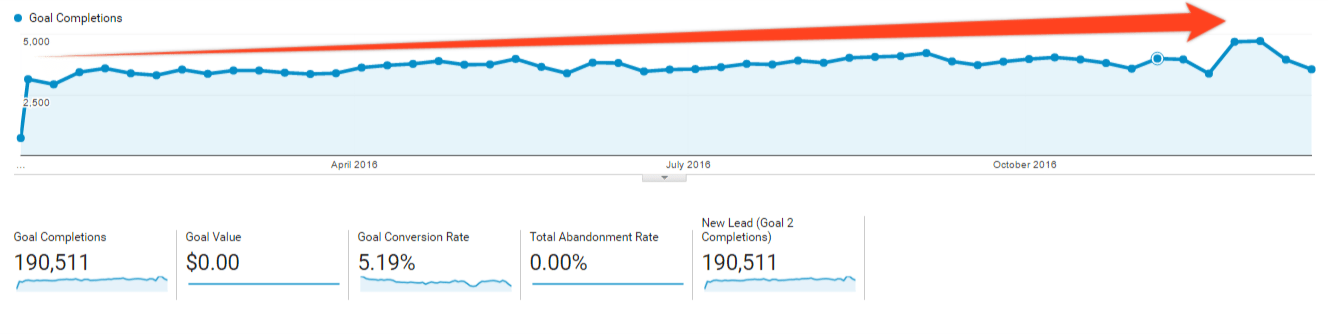
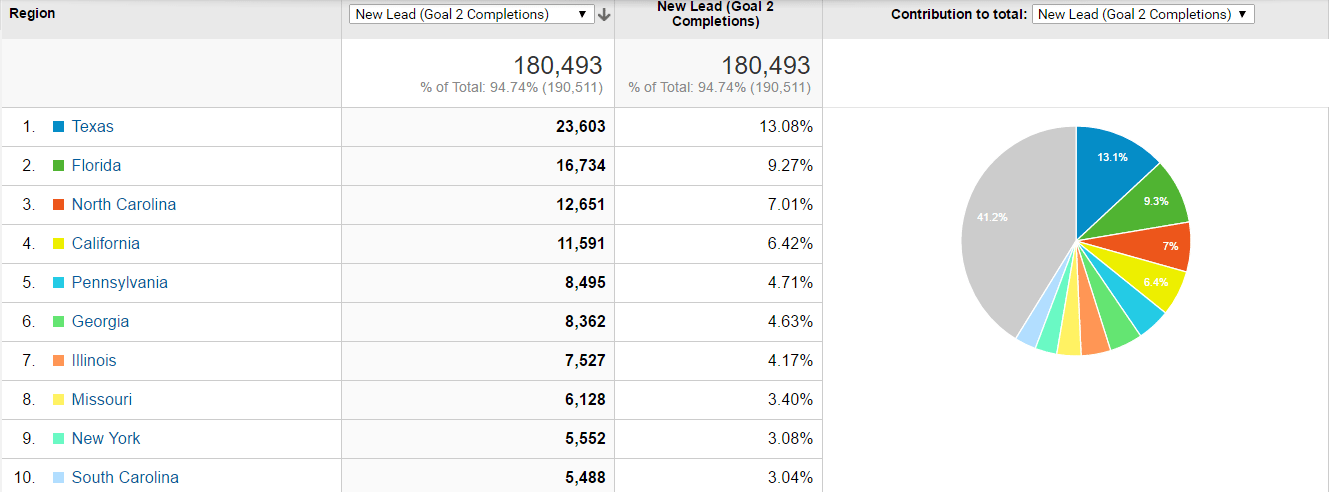
You guys made another forceful charge in 2016. With over 200,000 leads coming in this year (when you DON’T count phone call leads… which we can’t track in Google Analytics currently) you’re pulling in more PPC, SEO, and social media online leads as a collective group than any other real estate investor lead generation platform… by far. Keep crushing it!
52% From Mobile Devices
Which States Converted More Leads? Well…
9 Major NEW Features Launched
Another Core Value of ours is “constant never ending improvement“… and both our members and Carrot continued to push this value. In addition to the features, we released in 2016 to help our clients spend less time hassling with tech and marketing issues and to pull in more and better track leads…
New Innovative Features we rolled out in 2016 include (but not limited to)…
And here’s the latest new feature we launched just in the past few weeks… at NO extra cost to you.
Enjoy 🙂
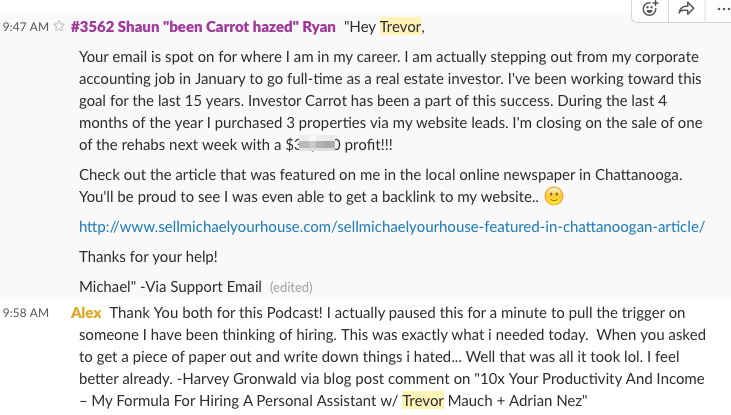
400+ “Doses Of Awesomeness” From Clients
Changing Their Businesses And Lives!
We LOVE those! And those are just the ones we get each week… not counting the hundreds that happen that we never hear about!
Our Team: Bigger, Tighter, More Awesome
2016 brought a lot of changes, growth, fun, and challenges with our team here at Carrot. But I can say that we fully lived and breathed our Core Values each and every day. How?
Well to name a few…
The Carrot Community And Our Carrot Team Was
Able To Raise Over $6,700 For A Cause
When we started Carrot we decided to do it differently than my previous companies.
We said… “Everything will be focused on us living and delivering our Core Values within our team and our customers, building fun into our company, being a ‘beacon of positivity and possibility‘ for our clients and community, and truly genuinely care about people… so this company and our team can amplify those great people and great causes around us”.
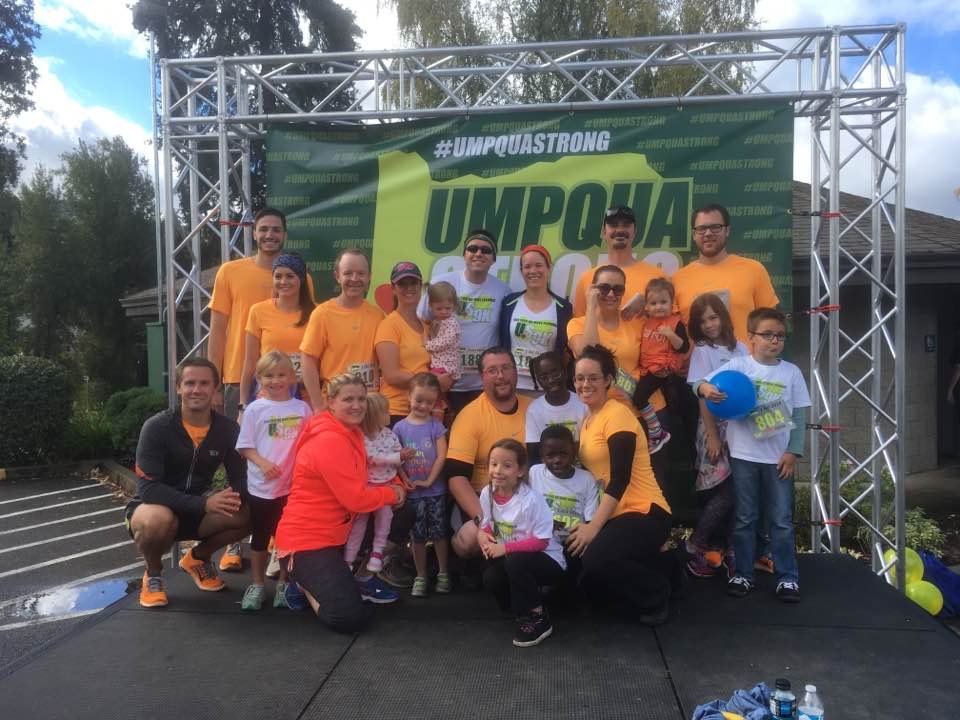
October was one of the times that we had the opportunity to give back to a very special cause.
2,000+ runners and walkers brought positive attention to the tragic events that happened at Umpqua Community College in 2015 in our small Oregon community.
The Umpqua Strong Race 9k and 5k event was created to honor the victims and raise money for UCC foundation. The event raised more than $60,000 which goes toward funding 10 scholarship programs in the names of the shooting’s victims and survivors.
It’s a HUGE testament to the amazing community of clients, listeners, and team members we’ve been able to attract over the years that we were able to raise over $6,700 for the cause!
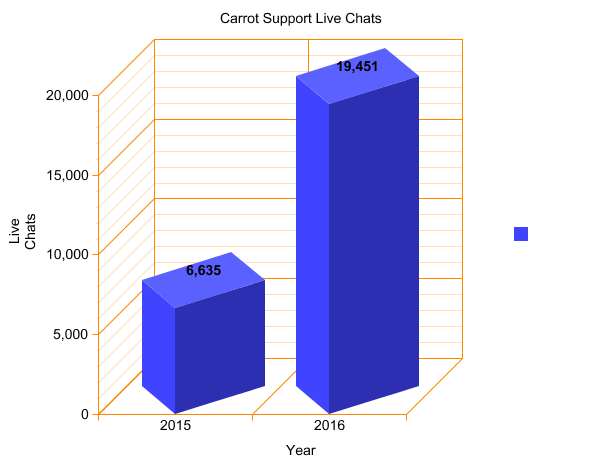
19,000+ Live Chats With Clients (4x the 2015 total)
This is a testament to our members and our AMAZING Carrot support staff. You guys were busy and we’re here to help you succeed. Our team helped our Carrot members through the many, many difficult spots in 2016. We process hundreds and hundreds of tickets and live chats per week and we’re humbled by the ratings you gave our team during your interactions with us.
We work very hard so you can spend less time working with our software and more time closing deals.
World-Class Net Promoter Score
(up there with the big boys!!!)
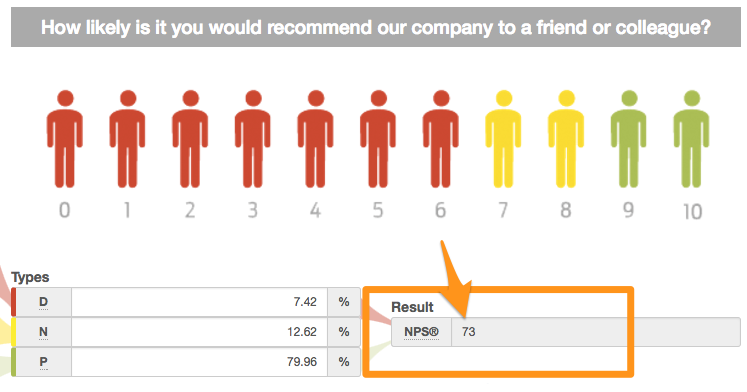
One of the most effective ways to gauge the happiness of your customers and how well (or bad) you’re doing is with something called the “Net Promoter Score”. It’s basically a question (like the one above) that asks how likely you are to recommend Carrot to a friend or colleague. With 500+ responses in the 2nd half of 2016 alone… the vast majority scored us a 9 or 10… leaving us with an impressive NPS of 73.
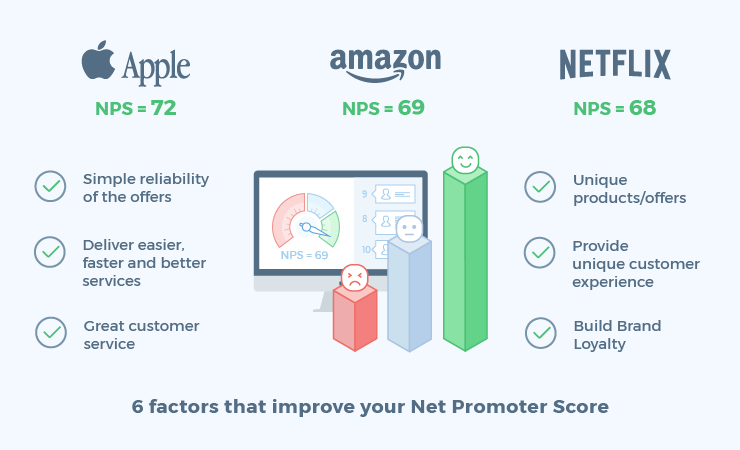
Now to put that into perspective… here is what some of the most respected companies in the world have scored for their NPS:
Yes, we’re still early in our implementation of Net Promoter Score, but you can better believe that we’re striving in 2017 to make our clients even more happy, successful, and to change the way people expect companies to serve them in the future after they experiene the service the “Carrot Way”.
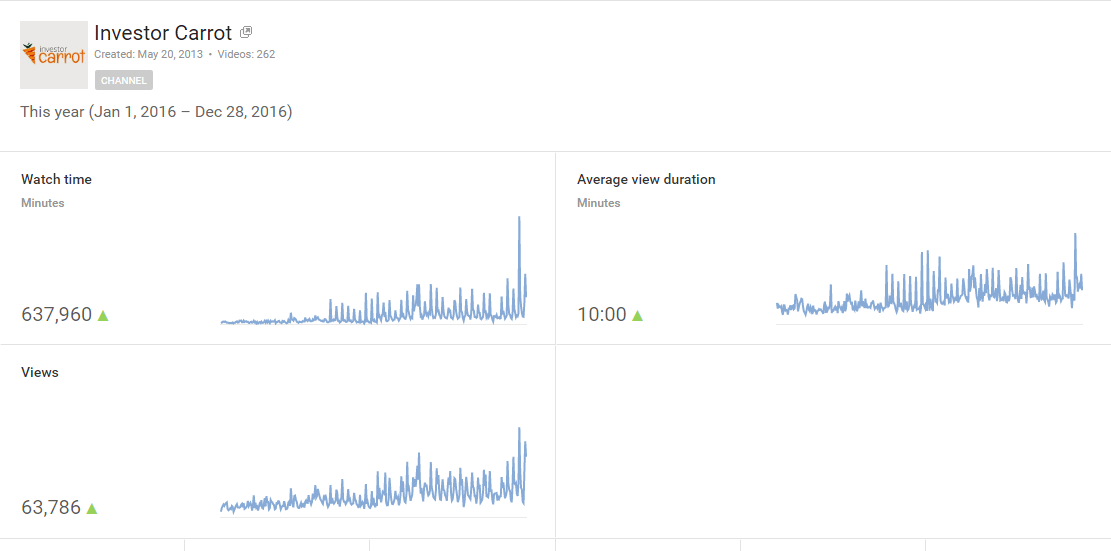
Over 100,000 YouTube Views, 1k + Subscribers
And Climbing!
Our First Carrot Team Retreat + A Growing Team…
4 years ago, Carrot was a one-man show… then we quickly added our CTO, built out the Customer Success team. Now the team is continually growing to stay ahead of the curve so our members can also stay ahead of the curve from their competition.
We’ve been proud to add 3 more full-time members to the Carrot team. We’re also super excited and humbled to have the opportunity to amplify our members lives as well as our team and their families.
Carrot Office Expansion Of 2016!
As our team grew, we took over more of theLoft Entrepreneur Co-Workspace that we run here in Roseburg, Oregon… quadrupling our square footage and adding a kegerator (which every office needs right?). We added a new content studio, a nice spot for our customer success team to crush it everyday, and more!
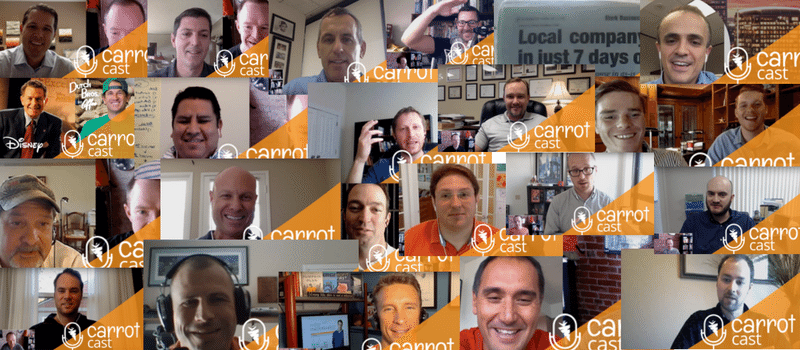
We Launched The CarrotCast Podcast!
This is why we do it…
Finalist In The Oregon Entrepreneur Network
“Entrepreneur Achievement Award” 2016
We didn’t bring home the award, an amazing company won but we were thrilled to be nominated and made it to the final 3… which is a HUGE compliment to what we’re building here at Carrot.
Carrot Members Christmas Carrot Love (gotta love that!)
“Hey Trevor and the Carrot team!
Thank you so much for the books!!! I’m overwhelmed by all of the knowledge in front of me right now! This is the best gift any company has ever given me. Thank you so much!!! It really means a lot. I’m a Carrot fan for life! “Tim Oppelt
Hundreds of Carrot Bud shots from around the world were sent to us throughout the year…
What An Amazing Year. And We’re Grateful To Have You On This Journey With Us. How Was Your Year?
So, how was your 2016? Let us know below in the comments section. The good, the bad, and the ugly 🙂
Also… looking to get a jumpstart on 2017 and get momentum building?
These 2 resources are the most shared and commented we’ve ever made. They can change your life…
When it comes to real estate investing, you must understand the power of leverage: Using a small amount of work to achieve a large payoff. Whether you get leverage from other people’s money (OPM), mortgages, virtual assistants, or automation, you know that leverage is a key part of the investing biz.
Leverage is just as important when it comes to domain names for real estate investing. Your website’s domain name may seem like a small thing but it plays a huge role in your website:
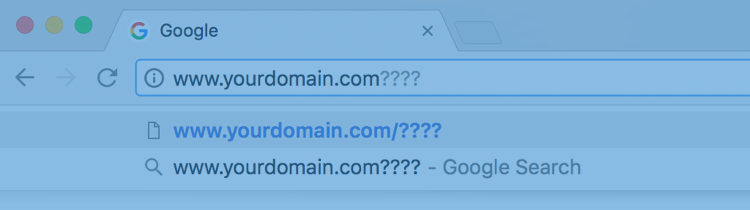
At its most basic function, a domain name are the words that people enter into their browser’s address bar to your website.
Your domain name is also a marketing tool – it’s a memorable word or phrase (functioning a lot like a sub-brand, slogan, or tagline) that you share with people so they’ll visit your site when they’re in front of their computer.
Your domain name is also a search engine optimization (SEO) tool. Search engines use the domain name as part of the algorithm that helps their automated systems understand what your website is about so they can index it properly… which allows your audience to find it when they search.
Your domain name is a sales tool, presenting the benefits of your solution to other people’s real estate problems. (Not all websites do this but many websites use this strategy. If your site’s domain name says something like “ColumbusOhioTurnkeyProfits” then you’re using your domain name as a sales tool).
7 Factors Of A Great Domain Name For Real Estate Investing: Checklist
As you think about what your website’s domain name should be, review this checklist of key factors in a great domain name and try to incorporate as many of these as you can.
And one more thing to be aware of: These are general guidelines and recommendations. You may find that you have a domain name that “breaks” some of these rules but still works for you. We’re not suggesting you change your domain name if it works.
These guidelines are meant to help you find a great domain name if you don’t have one yet.
1. What does your audience want?
Consider what your audience is looking for. Be specific. For example, motivated sellers aren’t automatically looking to SELL their property. They’re looking to solve a financial headache, or they’re tired landlords who are sick of dealing with tenants, or they’ve inherited a property that they can’t afford to keep.
There’s a similar situation on the buyer side, too: Rent-to-own tenants are looking for an affordable property without a credit check; cash buyers who are also investors might be looking for turnkey properties.
Action: Figure out what your audience wants and state those goals in a few words.
2. What are they searching for?
You’ve already thought about what your audience wants to achieve, but it’s important to know that what they want to achieve isn’t the same thing as what they search for. That’s because people are focused on their pain, and, they’re not thinking with your investor mindset. For example…
It’s less likely that someone will search for “sell my property” and rather “sell my house”. Or on the buyer side, if your buyers are investors looking for turnkey properties then their ideal outcome would be passive income that they earn while laying on the beach, but they’ll probably search for “turnkey real estate” or “cash flow investing”.
It’s also more likely that searchers will use the word “my” (“Sell My House”) rather than “a” (“Sell A House”) or “your” (“Sell Your House”). In fact, the search term “sell my house” has nearly 6 times more search volume than “sell your house”… obviously, because the searcher is thinking about their (“my”) house.
Action: Put yourself in your audience’s shoes and think about how they would search Google for information about their situation.
3. Value, Benefits, and USP
There is a reason that sellers and buyers come to you for help. You offer them some kind of beneficial value. There’s something unique about your real estate solution that makes you the preferred choice for that seller or buyer. The hard part is for you to figure out what it is.
But once you know, you can incorporate that into your domain name as well. Do you provide really fast service? Are your offers all in cash? Can you close in two days? Do you do business in a different language? There are many reasons why someone would want to do business with you and your domain name is a place to highlight some of those reasons. FastCashRealEstateOffers.com or FreedomTurnkeyInvestments.com are a couple of examples.
Action: Think about the reasons that people do deals with you instead of your competition. What unique benefits do you offer that no one else offers?
4. Brand
Your brand is another factor of your domain name. If you do business under a specific operating name, that name is part of your brand and you may want to include it in your domain name. An example might be a business called Sunrise Investments. That could work as a domain name. However, your brand is more than just your operating name – it’s the whole experience that someone has when they work with you to sell or buy a property. If you’re a veteran who does deals, your domain name might be something like “veteran buys houses”, which could also work as a domain name.
Action: Think about your brand – both the name of your business as well as the experience people have when they work with you. List those components and see how they factor in.
5. Location Specific (HIGHLY RECOMMENDED)
Your location should be incorporated into your domain name for real estate investing. You may end up searching really well for a search term like “we buy houses” but that won’t help you if you buy houses in Oakland, New Jersey and you’re getting searchers from Australia looking for houses in that country. So choose a domain name that ideally highlights the area you do business.
Most searchers will localize their search by city and state (Phoenix Arizona or they’ll often shorten it to Phoenix AZ). If you do business in a larger area than just one city, consider including only the state. (In most cases, searchers won’t search for the county they live in – usually just city or state (however, there are exceptions to this rule-of-thumb).
Action: List the areas you do business and try to narrow down the list to a few larger urban centers where you do deals.
6. Clarity and simplicity
After you’ve considered all of the factors so far, it’s good to do one final check for clarity and simplicity. It’s easy to allow your domain name to grow and grow and grow as you try to squeeze everything in. Accept the fact that you won’t likely get EVERYTHING squeezed into your domain name and just come up with a few ideas that you like. The fewer words, the better; however, you can probably expect to have at least four or five words (SellMyMemphisHome or TurnkeyInvestmentsColumbusOhio).
Aim for four or five words; avoid more than seven words.
If possible, avoid short forms (use Phoenix instead of PHX and Columbus instead of CBUS), although it’s okay to use the two-letter postal abbreviation for your state (OH for Ohio, etc.). In highly competitive markets, it might not be possible to use Phoenix. As a last resort, turn to PHX.
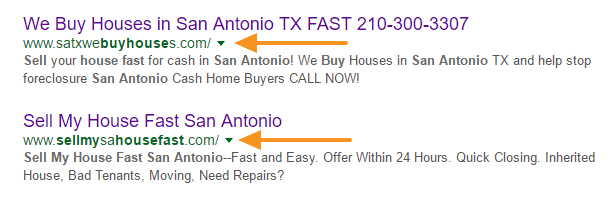
Remember that people will be typing these into your browser so try to keep them together as one single group rather than separated out by dashes (use TurnkeyInvestmentsColumbusOhio.com instead of turnkey-investments-columbus-ohio.com).
Action: Review your potential domain names and have other trusted people review them as well. You should also have at least one person review your domain names who is NOT a real estate investor (to give you an “outsider’s” perspective).
7. Choose a dot-com over other options
Domain names end in dot-something (like .com or .org). These are called “top-level domains” or “TLDs”. When given the choice between .com, .net, or .anything-else, choose .com. Although search engines don’t necessarily prefer one TLD over the other in terms of ranking, .com seems to be perceived by most American searchers as the most credible and legitimate TLD. The importance of building credibility stands in a study by searchmetrics.com. It found out that almost 75% of backlinks go back to .com domains.
And if someone remembers part of your domain name but not the TLD, they’ll type in .com by default. These attitudes are changing, especially as new TLDs are appearing, but .com is still preferred. If your ideal .com is unavailable, it’s probably better to seriously consider a different .com domain name instead of settling on the .net or .org TLD.
Action: Gather together the ideas you’ve come up with so far and start searching to see if those domain names are in use.
Summary
Your domain name for real estate investing is just as much a part of your business as your business name, your slogan, and your logo. It’s something you should think carefully about because, as we’ve mentioned earlier, your domain name does a lot of work for you as a marketing and sales tool. If you need to refresh,
If you need to refresh, then CLICK HERE to jump back up to the meat of this post: a step-by-step checklist of HOW to optimize your domain name for real estate.
7 factors to build a great domain name that will help grow your business for years to come.
Wholesaling across multiple real estate markets doesn’t require a complex website system but rather a strategic approach where your website serves as a central hub to establish credibility, showcase local expertise, and generate leads in each target area.
Key Takeaways
Create location-specific landing pages for each market you serve with targeted keywords, local imagery, and content that demonstrates your understanding of local market conditions.
Build trust through transparency by including testimonials from each market, clear contact information, and educational resources that establish your expertise as a wholesaler.
Customize your messaging with location-specific calls to action and visual branding elements that resonate with each target market while maintaining consistent overall brand identity.
By implementing these strategic website approaches, you can transform your online presence from a static brochure into a dynamic hub that speaks directly to each market you serve, overcoming the challenges of appearing relevant and trustworthy in multiple locations.
Imagine Sarah, a young and ambitious real estate investor. Starting in her hometown, she quickly mastered the art of wholesaling – finding undervalued properties, securing them under contract, and assigning those contracts to rehab specialists at a profit. Success came quickly, but Sarah craved more. Limited by her local market, she knew she needed to expand her horizons. Undeterred, Sarah took a calculated leap, targeting several neighboring cities with similar demographics. By leveraging a strategic online presence, she built trust with sellers in these new markets, uncovered a wider pool of deals, and ultimately scaled her wholesaling business to new heights.
Wholesaling, the process of acquiring properties under contract and then assigning those contracts to a buyer for a fee, is a powerful strategy for generating profits in the real estate market. While success is certainly achievable by focusing on a single market, venturing into new territories offers several advantages. Diversification across economic climates reduces risk, and a wider pool of deals provides more opportunities to find hidden gems. However, expanding your reach comes with its own set of challenges. Building trust with new sellers and buyers, demonstrating local market knowledge, and appearing relevant in each area all require a strategic approach.
This is where your website steps in as your secret weapon. By crafting a website that speaks directly to each market you serve, you can overcome these hurdles and propel your wholesaling business to new heights. Let’s dive into the specific strategies you need to implement to transform your website from a static brochure into a dynamic hub that fuels your multi-market success.
Watch this video for deeper insights into wholesaling in multiple markets:
Challenges of Wholesaling in Multiple Markets
The potential rewards of expanding your wholesaling business to multiple markets are undeniable. Access to a wider pool of deals, diversification across economic climates, and scaling your profits are all exciting possibilities. However, venturing into new territories also presents unique challenges that require a strategic approach. Here are the key hurdles you’ll need to overcome when marketing yourself as a wholesaler across multiple locations:
Local Knowledge and Market Nuances: Every market has its own rhythm. Understanding local trends, pricing structures, and even legalities specific to each area is crucial for success. A one-size-fits-all approach won’t work. Without in-depth knowledge of, for example, average renovation costs in a particular market, you risk miscalculating your profit margins or underestimating the rehab potential of a property. This can lead to missed deals or, worse, deals that fall apart during due diligence.
Building Trust with Potential Buyers and Sellers in Different Areas: In the wholesaling game, trust is your currency. Sellers need to feel confident that you can deliver a qualified buyer quickly and at a fair price. Buyers need to know you have access to good deals and the expertise to navigate the closing process. Building this trust takes time and effort, especially when you’re new to a market. Without a proven track record and established relationships with local players, convincing sellers you’re the right partner can be an uphill battle.
Appearing Relevant and Engaged in Each Market: Wholesaling is a competitive business, and potential clients are bombarded with marketing messages. To stand out, you need to demonstrate that you’re not just a fly-by-night operator. In a new market, convincing sellers you’re genuinely interested in their area and not just here for a quick buck requires a different approach. Simply plastering your generic wholesaling website across new territories won’t cut it.
Website as Your Central Hub
The challenges of wholesaling across multiple markets might seem daunting, but fear not! Your website can be the key to overcoming these hurdles and transforming into a central hub for your multi-market wholesaling business. Here’s how:
Conquer Local Knowledge with Targeted Content:
While you can’t be an expert on every market overnight, your website can bridge the gap. Create location-specific landing pages or blog posts dedicated to each market you operate in. These pages can showcase your understanding of the area by highlighting: * Local market trends and data (average sales prices, days on market) * Success stories of past deals you’ve closed in that specific city * Testimonials from satisfied sellers in the area * Information on local resources and programs relevant to wholesalers (investor groups, lenders)
By providing valuable, localized content, you demonstrate a genuine interest in each market and establish yourself as a knowledgeable resource for potential clients.
Build Trust Through Authority and Transparency:
Your website can be a powerful tool for building trust with potential buyers and sellers. Here’s how:
Showcase Your Expertise: Dedicate sections of your website to educating visitors on the wholesaling process and the benefits you offer as a wholesaler. Include clear explanations of what you do, the types of properties you work with, and your typical timeline for closing deals. Consider incorporating videos or case studies to showcase your past successes and expertise. Testimonials and Social Proof:Positive testimonials from satisfied sellers and buyers in each market you serve are gold. Include these prominently on your website, ideally linked to the specific location pages. Social proof builds trust and demonstrates your track record of success in different territories. Transparency is Key: Be upfront about your contact information, service areas, and fees. Having a dedicated “Contact Us” page for each market allows potential clients to easily reach you and fosters a sense of accessibility and local presence.
Appear Relevant and Engaged with Tailored Messaging:
A generic wholesaling website won’t resonate with potential clients in different markets. Here’s how to use your website to appear relevant and engaged:
Location-Specific Calls to Action: Instead of a generic “Contact Us” form, create targeted calls to action on each landing page that speak directly to the needs of that market. For example, “Get Your Free Seller’s Report – ” or “Find Your Cash Buyer in ” will resonate more than a generic “Sell Your House Fast” option. Visual Branding with a Local Touch: Maintain a consistent brand identity across your website but with the flexibility to incorporate subtle visuals that resonate with each target market. This could include using local cityscapes as background images or color palettes that reflect the local aesthetic.
By implementing these strategies, your website transforms from a static brochure into a dynamic hub that speaks directly to each market you serve. This targeted approach builds trust, showcases your expertise, and positions you as a relevant and engaged player in each area you operate.
Website Strategy for Multi-Market Wholesalers
Your website is the cornerstone of your multi-market wholesaling operation. Here’s how to leverage its power to attract sellers and buyers in each of your target areas:
Content Strategy: Speak the Local Language
Location-Specific Landing Pages: Ditch the one-size-fits-all approach. Create dedicated landing pages or blog posts for each market you serve. Titles like “Wholesaling Houses in ” immediately grab attention and demonstrate your local presence.
Targeted Keywords: People searching for wholesaling services use location-specific keywords. Research and incorporate relevant keywords for each market throughout your website content. This improves your search engine ranking in each area, ensuring potential clients easily find you.
SEO Optimization: Don’t underestimate the power of SEO. Optimize each landing page for its specific location by incorporating local keywords naturally into the content, meta descriptions, and image alt tags. Consider exploring local SEO tools to further boost your visibility in each market.
Visual Branding: Consistency with a Local Flair
Maintain a consistent brand identity across your entire website. This builds recognition and trust. However, infuse your website with subtle visual elements that resonate with each target market. Think about incorporating:
Cityscapes or Local Landmarks: Use high-quality images of cityscapes or iconic landmarks in the background of your landing pages for each market. This creates a sense of local connection and demonstrates familiarity with the area.
Color Palettes: Consider using color palettes that reflect the local aesthetic. This could be a vibrant beach scene theme for a coastal market or a more muted, historical theme for a city steeped in tradition. A subtle shift in color scheme can go a long way in creating a sense of local relevance.
Calls to Action: Make it Clear What You Want
Don’t leave visitors guessing about what to do next. Implement clear and targeted calls to action (CTAs) on each landing page. These CTAs should speak directly to the needs of that specific market. For example, instead of a generic “Contact Us” button, use CTAs like:
“Get Your Free Seller’s Report – “ – This provides immediate value and positions you as a resource for motivated sellers.
“Find Your Cash Buyer in “ – This speaks directly to a seller’s pain point and clearly conveys your value proposition.
Lead Capture Forms: Segment Your Audience for Tailored Communication
Utilize separate lead capture forms on each location-specific landing page. This allows you to segment your audience by market, ensuring your communication is relevant and targeted. By capturing location data, you can personalize future emails and marketing messages, building stronger relationships with potential clients in each area.
Additional Tips & Considerations
Conquering the digital landscape is just one piece of the puzzle. Here are some additional strategies to solidify your presence as a multi-market wholesaler:
Social Media Savvy: Don’t underestimate the power of social media platforms for targeted marketing. Create separate social media profiles or pages for each market you serve. Share location-specific content, engage with local groups and influencers, and run targeted social media ad campaigns to reach motivated sellers and potential buyers in each area.
Building Local Relationships: While your website is a powerful tool, there’s no substitute for building relationships with local players. Network with real estate agents, attend local investor meetings, and connect with other wholesalers in each market. These connections can be a valuable source of referrals and provide valuable insights into the local market nuances.
Conclusion: Your Website – The Hub of Your Multi-Market Success
The challenges of wholesaling across multiple markets are real, but you can overcome them with a well-crafted website as your central hub. By implementing the strategies outlined above, you’ll create a website that speaks directly to each market you serve, showcasing your expertise, building trust, and attracting a steady stream of motivated sellers and eager buyers.
Remember, your website is a dynamic tool, not a static brochure. Continuously update it with fresh content, analyze your website traffic for each market, and refine your approach based on the data. You can turn your multi-market wholesaling dream into a thriving reality with dedication and a strategic online presence.
At the risk of being obvious … as a real estate investor, your business lives and dies by two things.
Number one, your ability to generate leads. Number two, your ability to close deals.
And one way to increase the amount of online leads you get is to…
… do a lot of testing and make your website convert more visitors into qualified leads.
How a small increase in performance can put tens of thousands in “found” profits in your pocket.
An increase in “conversion rate” on a real estate investing website from 5% to 8% means an extra 3 leads per 100 visitors. If you get 100 qualified visitors per month to your site… that’s an extra 36 motivated seller leads per year (3 x 12). If you close on average a deal per every 15 qualified seller leads and net on average $10k per deal… that’s an extra 2 deals and $20k in profits per year.
Just by doing some testing and improving the performance of your website.
Pretty cool eh? That’s assuming NO extra traffic. Free money.
We spend so much time split testing and optimizing our pages here at Carrot because we know so many people go to the web first to get information about buying or selling their house.
In fact, a whopping 43% of home buyers start their purchase process online compared to the second-place first step — contacting an agent — at 15%.
In other words, if you want to meet leads where they are, fill your sales funnel, and start converting like crazy … hands down the best way to do that is online.
A New Page Design We Tested That Yielded Up To 38.54% More Leads
See how and why this page design increased lead flow on some sites up to 38% more…
This post is going to go into a lot of the methodology and “backstory” on how to create a real estate investing or agent page that performs at a high rate. One that converts more visitors into leads than your current website may (for sure your competitors) and one that squeezes out an extra margin of leads and deals without you increasing your traffic (assuming you are getting solid traffic right now).
Below we’ll actually give you the “Stacked Hero” landing page and if you’re not a Carrot member you can even download the raw HTML files to upload and use yourself online. If you are a Carrot member, great! As of our last update, you now have this design available to launch NEW websites within your Carrot account in under 10 seconds with no tech hassle. We like to make your life easy 🙂
To do that, I’ll share how our “Stacked Hero” design converted 38.54% more real estate leads than our best performing previous design. Even better — after guiding you through a handful of optimization principles — I’ll share how you can implement the very same template in your own business.
Let’s dive into the story of why this page design performs so well and the marketing principles that cause most real estate investor websites to perform so bad.
And if you’re NOT yet a Carrot member, download the HTML files of this landing page at the bottom of this page for FREE. Carrot members, this design is now in your account and you can launch a new site with it in under 10 seconds.
Real Estate Lead Generation Today: Thou Shall Test … or Die
This means we’re constantly testing and improving elements on our client’s websites to improve their results.
For the last year we’ve had a mission: to create a lead generating page that could beat our highest performing control.
This meant running tests across a select number of current Carrot websites throughout the country; ones that were getting a good amount of traffic and already converting leads. In fact, we ran 7 months’ worth of tests and dozens of page variations to tens of thousands of motivated house sellers and buyers.
This sort of real-world optimization gives us both a baseline to work from as well as data-driven insights most real estate agents simply can’t generate on their own.
Our testing software informs us when we have a clear winning test variation. You can see below what one of those looks like:
Our testing software lets us know when we have a winning test variation
Before jumping into the details of our tests themselves, let’s start with some of the guiding principles of online lead generation.
Online Real Estate Lead Generation Principles
To keep things as clear as possible, three principles are essential to your online lead generation: (1) your goal, (2) your content, and (3) your form.
1. Your Goal
By far, the biggest mistake you can make on a lead generating page — regardless of the industry — is complication.
Simplicity isn’t just essential to online lead generation. It should be the cornerstone of all your marketing, period.
Why?
Because as Harvard Business Review reports — after reviewing data from “multiple surveys of more than 7,000 consumers” as well as “interviews with hundreds of marketing executives and other experts around the world”:
The single biggest driver of stickiness [that is, a lead or customer’s likelihood to follow through on an intended purchase, buy the product repeatedly, and recommend it to others] was “decision simplicity.”
What consumers want from marketers is, simply, simplicity.
The first step to simplicity is knowing exactly what you want to achieve for each and every piece of customer-facing content you create.
Whether you’re working on a home page, landing page, email campaign, pay-per-click advertising, or even just a physical mailer … you have to begin and end with “a single, all-consuming question: ‘What is your goal … the one, smallest, easiest thing you want your reader to do?’”
As KlientBoost recently put it in their Landing Page Optimization Guide: Find Heaven By Saving Your Visitors From Hell:
Start with your ultimate goal and then … work backwards.
In other words, to increase conversions, your pages need to be ruthlessly free of clutter. Anything that doesn’t move a visitor closer to the one action you want them to take … must be eliminated.
Don’t feel [like] you have to fill all the empty or “white” space on your site with extra icons, or images. Avoid fancy animations and drop down menus. These are more likely to distract users from your content, rather than attracting them to it. Keep the look clean and uncluttered.
This warning comes with good reason.
For example, take a look at the following home page for Fisher Nicholson Realty. Notice that there are no less than 22 possible actions a visitor can take (and that doesn’t even include the dropdown menus that appear if you hover over the navigational bar nor the additional 19 options in the footer):
Way Too Much Distraction And Choices At The Top Of This Site
All told, there are a whopping 68 links, buttons, navigational options, and calls-to-action on that one page alone.
Compare that quagmire with our own homepage. Excluding the header and footer, only four clickable buttons exist:
Even better, three of those four buttons send visitors directly to our Pricing and Plans page.
If you’re designing a landing page … things need to be even simpler.
The golden rule is just one call to action.
That doesn’t mean you can only have one button, but it does mean every button you have should guide visitors toward the same, singular something.
Going back to our first bad example — Fisher Nicholson Realty — clicking through to the “Buyers/Sellers” page you find this:
While the page opens with a call to action — “Buying or Selling? Please make Fisher Nicholson ‘The Home Team’ your Real Estate Company of Choice.” — the only clickable links are to non-related sites, property comparisons, search options, or featured properties.
Tragically, even if a visitor wanted to give them their contact information to “make” Fisher Nicholson their “Real Estate Company of Choice,” there’s literally no place to submit their contact information on the page itself.
Visitors can only take one of two actions: either “Show Me The Deals!” or to call you on the phone.
Technically speaking, the website design we used for our Hero Stacked test is not a landing page; it’s a home page that plays the best of both worlds…
… landing page but engages those not quite ready to convert with great content and credibility. This “mini-site” format actually turns into more leads than squeeze pages according to our vast testing over the years.
But the focus is still on getting email signups for lead generation. So while landing pages should eliminate all distractions, a home page will still need to have navigational links and other clickable areas and all focus on ONE CORE call to action.
However, the same principle applies: the above-the-fold area of any home page should be uncluttered, simplified, and targeted.
Does The Main Call To Action Jump Out Or Do You Have To Hunt For It?
The most notorious place for clutter is the home page. Given the diversity of audience your home page gets, the desire to give them plenty of “what if” options is natural.
Resist that temptation.
In test after test after test, the principle of simplicity — that less truly is more — has proved itself.
2. Your Content
Naturally, given how central simplicity is to your real estate lead generation process, all the content on a page should exist to support the one goal you want your visitor to take: to sign up.
This means placing the most important information — especially your page’s copy — at the top of the page in the hero section. When a visitor lands on your website, you’ve only got a matter of seconds to capture their attention.
If you make it too difficult for your visitor to figure out how you can help them, there are plenty other websites who will be easy to understand … and compelling.
A compelling headline must hit your visitor above all with value.
Your headline can address a pain-point the visitor needs answers for or instill a positive emotional reaction … but either way, it has to touch the heart.
Having all said that, you don’t need to load all the benefits in the main attention-grabbing section, like this personal training website has done:
Too Many Conflicting “Benefits” Crammed Into The Top…
Limit what you want to say in this most important part of your website
Geek Estate Blog highlights just how bad trying to pack an exhaustive list of benefits can be by using a landing page for townhomes in Bothell as a test case. This is how it reads:
You may not be able to see it properly, but the example above is a website about weight loss. Unfortunately, all the images are useless because they don’t support the page’s goal. After all, what’s the point of a car photo on a weight loss website?
On a homepage or landing page, the chief piece of visual content is called a “hero image.”
Adding an oversized “hero” image is incredibly popular. This stems from a hero image’s ability to add appeal, relevance, and what we might even call “sexiness” to a page.
The right hero image can also have a massive impact on overall conversions.
Have a look at this test from French snowboarding ecommerce site Salomon:
The original design on this landing page does not include an oversized hero image
Crazyegg reports that the version with the oversized hero image, as well as a few other tweaks, increased sales from French shoppers by 39.8% and sales by global shoppers by 29.7%, both at a 99.9% confidence rate.
If you add an oversized hero image, bear these four points in mind:
Make sure the photo is responsive so that it behaves when the page is viewed with mobile devices.
Avoid stock photos which can put people off and can lose credibility on your site. Use “real” people or high-quality original product image.
Keeping the form short ‘n sweet also makes it easier for mobile users to complete it, and this is important because there are now more mobile than desktop users on the Internet.
Not to kick Fisher Nicholson Realty while they’re down, but here’s what their contact form looks like on desktop:
Too Many Form Fields Reduces Performance In A Big Way…
There are a total of 19 forms fields … only four of which are required.
On mobile, the form itself is virtually illegible:
Even more detrimental, there is absolutely zero incentive for a visitor to submit their contact information.
The “Send Request” button promises no pay offs, offers no benefits, and it isn’t even an enticingly worded action. Afterall, who wakes up in the morning thinking to themselves, “Gosh, I can’t wait to ‘send a request’ today”?
Be sure not to neglect this part of your form: “What will the visitor get?”
Inman provides a host of ideas for creating compelling and click-worthy real-estate lead magnets: “a lead magnet is an irresistible bribe offering a particular chunk of value to a prospect in exchange for their contact information.” The list includes:
Home sellers’ guides.
Relocation packets.
Neighborhood market reports. New listing email registrations.
Property comparative market analyses.
“How-to” e-books or videos — how to stage a home, how to increase curb appeal, how to buy foreclosures, and so on.
Reports — neighborhood, school, crime and more.
Lists — bank-owned properties, short-sale homes, 203(k)-eligible properties, etc.
Real estate-related e-books or videos — landscaping, remodeling, investment opportunities, flipping a house, and so on.
Making forms convert is a complex business, because what works for one site may not work for another. The truth is that you have to keep testing and checking the data to see what’s working for your target audience or not.
To drive this home, Michael Aagaard presents two seemingly contradictory button-copy tests on Content Verve. In the first, adding “Get the Best Daily Tips” increased conversions by 31.54%. In the second, adding “Start Making Better Deals” decreased conversion by 12.45%:
49% More Leads Because Of The Words On Your Buttons…
Knowing this is precisely why we test so relentlessly at InvestorCarrot.
Lastly, when it comes to your forms … does size matter?
Yes.
Large forms get more signups, maybe because they’re so “in-your-face.” Our own tests have shown that having a large form in the middle of the page that contrasts the surrounding elements can help improve conversions substantially.
All those form tips can be a lot to take in. So here’s a quick rundown of best practices from our own extensive testing:
Keep the form fields short
Have the call to action button take up the entire width of the form
Include value-driven language in your call to action button itself
Make the information around the form draw the reader down the page
A Template to Get 38.54% More Online Real Estate Leads …
Enough about principles and best practices.
What you really want is a proven template you can use to get more online leads.
Here’s exactly how we built one that does just that.
Test #1: Three Columns (this test failed)
We started with our high-performing lead-generation page, which already included a number of optimization wins we’d learned from previous tests.
For instance, one the rules we’ve proved to our clients over and over again is that changing the words on the call to action button from a “descriptor” (“Click to Continue” or “Submit”) to a “mental commitment” increase conversions. Here’s just one example:
The Variation on the right — “Get My Fair Cash Offer” — showed an improvement in 49.5% at a 12.55% conversion rate compared to the first — “Click Here to Continue.”
To put a bit of context around that, out of every 100 visitors who land on your website, using the “mental commitment” language would produce 12.5 leads rather than 8.3.
That might not sound like a huge deal. But even if your site only gets 1,000 visitors a month, that translates into 40 additional motivated seller leads.
Even if you close 1 out of every 20 leads (which is a low percentage for many of our customers) and only net on average $7.5k (which, again, is much lower than many of our customers average):
That’s $15,000 in extra revenue every month all without having to generate any additional traffic to your website.
Still, we knew we could do better.
So, we took that page as our control and began by testing a three-column layout with no sidebar to limit the amount of links on a page. The idea was to make it simpler for a user to consume the page’s information:
Version #1 Of This Test – 3 Column Layout
Unfortunately, our first test was not a success.
The results were less than spectacular, but we learned a lot
It actually reduced the performance on the page.
As a result, we decided to get more intentional and focus on the main element a user sees when they first land on a home page: the hero section.
Test #2: The Stacked Hero (this test was a huge success)
Our first priority was to zero in on the page’s goal.
As you can see, the information in the last column on the right is unnecessary. It’s about the real estate agency themselves and adds no value to the visitor. Instead of moving them closer to signing up, it only distracts:
The 3rd column on the right is not necessary in this all important above-the-fold section
This time we predicted — i.e., our hypothesis was — that adding better imagery and a larger form focus the core message of the page.
The second test, then, was all about improving the conversion rate of the site’s home page hero section. This section is incredibly important because a lot of traffic passes through this page, and this is the first thing a lead sees.
Not only that, but research proves that the attention span of people has become so short that your website has a few seconds to grab attention before the visitor clicks away.
The following test page ran for a month across 15 InvestorCarrot websites and received over 1,600 visitors:
Version #2 – The “Stacked Hero” (38% more leads)
Pay special attention to the differences between the two pages:
Control
Three columns
Light Hero image
Three headlines
Narrow form fields and button
Headline:
“Need to Sell Your House Fast?”
Includes phone number
Six lines of text below
Headline:
No location in the headline
Variation
One Column
Dark hero image
One headline
Page-wide form fields and button
Headline:
“Sell Your House Fast in Portland. Get a Guaranteed Fair All-cash Offer.”
Excludes phone number
One line of text below
Headline:
Location included in the headline
In addition, by center aligning every element, having a dark background to create contrast between both the text and the button, and filling up a good portion of the screen with the hero, visitors automatically see what’s most important to complete the call to action.
The heat map below, which measure users mouses and eye-movement, validated this belief. Notice that the majority of user engagement is happening on the headline and form fields … exactly where you want their focus to be:
This heat map shows where a user is focused when they are looking at the hero section
In other words, the hero test incorporated nearly all of the principles we covered above.
And the results?
A good representation of how the test performed individually can be seen from this specific test from a member in the Alabama market.
The Test Results Speak For Themselves…
This graph represents a stacked hero test (for motivated seller leads) where the control and variation were close … until the end.
The cumulative total was what really knocked our socks off:
A 38.54% increase in online real estate lead generation across the board.
If you’re in the real estate sector, we at InvestorCarrot have a simple way of increasing your real estate leads; we’ve already done the testing for you by creating website templates like the one used in this test study.
And you can have it for free.
Carrot Members:You can dive into your account and launch a new website… then dive into the “Design” tab for the site and select the “Juniper” design to put this design to work for your business. But, you may be asking… “Is this design higher performing than the original Carrot design?” The answer is… in some cases it boosted performance up to 38.54%, in a few, it decreased performance a tad, in several, it was a wash. It did provide a performance boost in most of the 20 or so sites we tested it on but on some, it didn’t… so our advice is if you have a Carrot site up already that is pulling leads consistently to keep it how it is. Our original design is still our most consistent design. This new one just adds another option to get a different look while still retaining GREAT performance.
Non-Carrot Members: If you know HTML and have some time and want to hack through some setup stuff… You’ll need your own hosting, some programming knowledge to hook up a form, and to write your own content on the page. Or you can skip all of that and join Carrot and launch this design along with all of the other benefits Carrot customers enjoy within seconds.
(Already a Carrot member? Great! Launch this design in your account in just minutes! Log in, create a new site, and choose the “Juniper” style.