Author: Brendan Holmes

  • Strategies to Rank Your Google Business Profile for Real Estate Investors | PRO TIPS & Optimizations

    Google Business Profile PRO TIPS & Optimization for Real Estate Investors 2023

    Want to rank higher on Google EASILY and attract more motivated house seller leads? Today, we delve into the secrets of optimizing your Google Business Profile for real estate investors (FKA Google My Business!)

    document.addEventListener(‘DOMContentLoaded’, function() { jQuery(window).scroll(function() { if ( jQuery(document).scrollTop() > $(‘#carrotToast’).offset().top && jQuery(“.carrot-toast”).attr(“displayed”) === “false”) { jQuery(‘.carrot-toast’).toast(‘show’); jQuery(“.carrot-toast”).attr(“displayed”, “true”); } }); });
    In this video post, we’re diving into the treasure trove of knowledge shared during an exclusive, previously live-recorded session at Carrot Summit. Join Keith Sant of SEO Meets REI and Brady Winder of Carrot.com as they unveil the secrets to optimizing your Google My Business profile.

    Google Business Profile for Real Estate Investors

    Unlocking the Power of Google My Business (0:00)

    Picture this: You could swiftly ascend the Google rankings and easily attract motivated house sellers. Keith’s insightful session began with the crucial significance of optimizing your Google Business Profile. This optimization, Keith emphasized, is a direct route to achieving top rankings.

    Use Tracking Links (0:30)

    One of the first optimizations you should do is add a UTM link. With UTMs, you can see how effectively your GBP brings traffic to your website! If you are a Carrot Member, you can use your Campaign Tracking Links to track your conversions by getting the number of clicks and leads from your Google Business Profile.
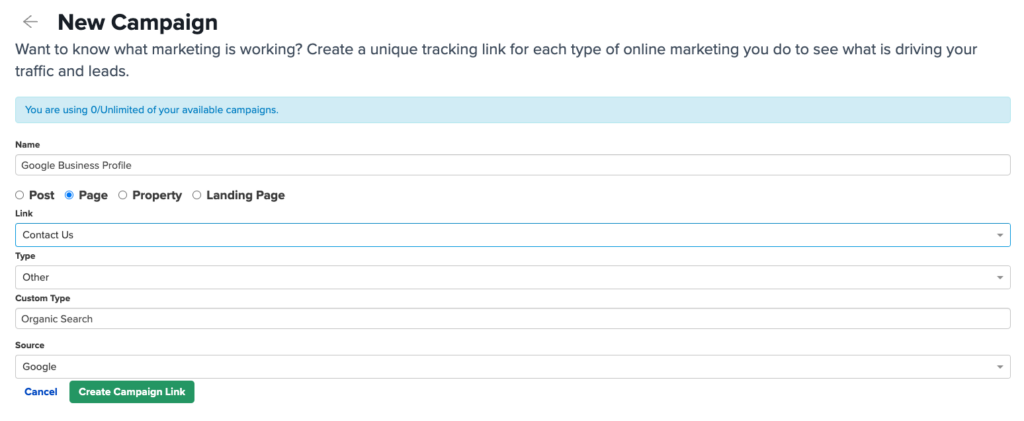
    An image showing Carrot's Campaign Tracking Links as a way. to track conversions from a Google Business Profile.

    As Keith mentions in the video, “… this Make Appointment button was getting a lot of leads vs. the website button because I was tracking both of them. Tracking using Carrot’s campaign links is super important and very valuable.”
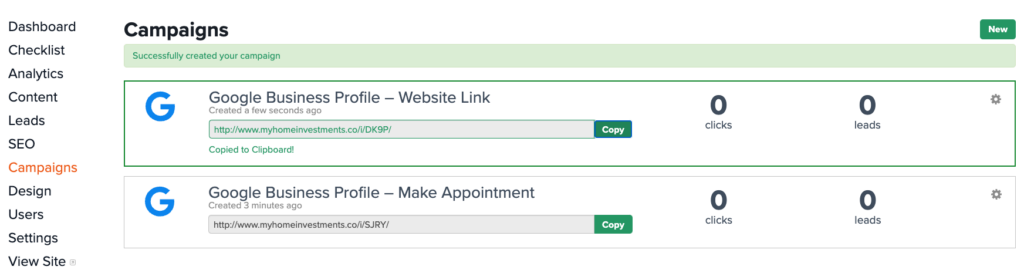
    Carrot members get unlimited Campaign Tracking Links, so don’t be shy about using them to your advantage!

    Consistent N.A.P. (1:39)

    Consistency is the cornerstone of credibility. Keith advocates maintaining a consistent Name, Address, and Phone number (NAP.) across all online platforms. Why? Because trust begins with uniformity in your brand. Your potential customers and search engines are likelier to perceive you as a reliable and legitimate entity.

    Many real estate investors make the mistake of adding keywords to their Google Business Profile name like “XYZ Company – Cash Home Buyers,” but this is a significant mistake. Don’t do that! Your business name is the first and most crucial part of your NAP. So, it needs to be the same everywhere online.

    Physical Locations – A Real Address, A Real Advantage (2:20)

    The allure of a physical address is undeniable. Keith revealed the magic behind having an authentic address rather than relying on a P.O. box or UPS box. A physical address enhances your visibility on Google Maps and elevates your position in local searches.

    TIP: Having an address in a more densely populated area tends to perform better than a town with a lower population, according to Keith Sant.

    What should you do if you are new to real estate investing or working at home? You could use Service Areas instead of a physical address, or you could rent an office in a co-working space – just be sure that your office or suite number is added to your address.

    While Service Areas prevent using NAP, they can still be successful without a physical address.

    County Vs. City – Mastering Your Service Areas (4:47)

    Expanding your service areas? Keith’s got you covered. His expert recommendation is to opt for counties over individual cities. This tactical decision broadens your reach, making you a relevant choice for a broader spectrum of potential searches.

    How does this work? It’s all about incorporated vs. unincorporated addresses. An unincorporated address falls just outside of city limits. So, one way of telling Google that you buy those unincorporated houses is to use counties as your service areas.

    “24/7 Open Hours – Your Gateway to Round-the-Clock Success (7:00)

    Want to supercharge your leads and interactions? Keith introduced an unconventional yet powerful strategy: set your business hours 24/7. Doing so signals your unwavering commitment to serving your clients, resulting in increased engagement and leads.

    Even if you don’t answer the phone after 5 pm, you can still accept form submissions for leads! If you put yourself in your prospect’s shoes, who would you pick to contact if you were reading about selling your house in probate at 7:45 pm on a Sunday? The company that’s closed until tomorrow or the guy that’s open 24/7?

    Posts = Views – Igniting Engagement Through Updates (10:06)

    Do you know the secret to higher impressions and views? After getting a steady supply of reviews, it’s consistent updates. Regularly fuel your Google Business Profile by posting once a week. Each update isn’t just an announcement; it’s a spark that ignites engagement and propels your search ranking upwards.

    You can use very low-cost tools, like Publer, to schedule these posts weeks in advance. You could also outsource the task to your team!

    Optimize “About Us” – Crafting a Compelling Narrative (11:22)

    Your “About Us” section is more than a placeholder. Keith’s advice: seize the opportunity. Fill the full 750 characters with impactful content and relevant keywords. This optimization transforms your narrative into a search engine-friendly beacon.

    But be careful here; changes to your Google Business Profile need to be approved before they are public, and we have seen several examples of investors who try to stuff too many keywords into their “About Us” section, only to get the edit denied by Google.

    Geotag Images – Pioneering Visual Localization (13:49)

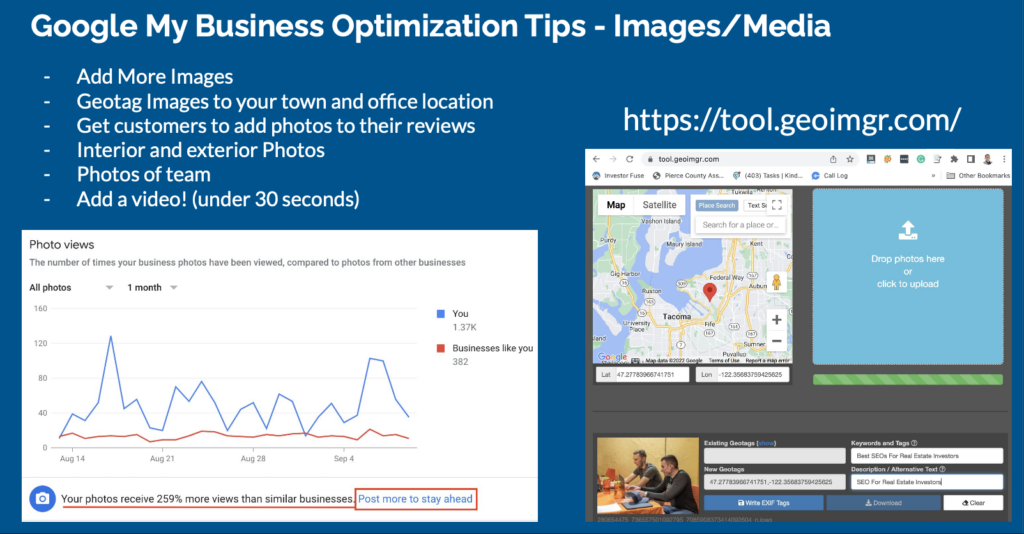
    Visuals can speak louder than words, especially in local searches. Keith introduced a simple yet potent strategy: geotag your images using this free tool. This geo-infusion aligns your visuals with local relevance, capturing the attention of potential customers near you.

    TIP: This tactic doesn’t work for your website images because WordPress strips away geo data from the images, but it does work for GBP posts!
    Reviews! – The Pillars of Trust and Credibility (15:00)

    Rave reviews aren’t just testimonials; they’re your stairway to success. Keith accentuated the immense value of garnering reviews and striving for a minimum of 10. With reviews in your arsenal, you elevate your search ranking and construct pillars of trust and credibility.

    If you’re having difficulty generating reviews, try incentivizing people to leave you honest, detailed reviews by mailing them a pre-paid gift card. Trevor suggested that Keith email his clients requesting a review of his Google Business Profile and a mailing address to send the gift card. To Keith’s surprise, most people who left reviews never sent him a mailing address!

    A recent case study by Joy Hawkins and her team suggests that hitting ten reviews on your local listing will result in a ranking boost in Google local results. However, getting more than ten reviews does not help you rank better in Google Maps or the Google Local pack. 

    Joy said, “There does appear to be a ranking boost once a listing has ten reviews. So, it is important for a listing to get a minimum of ten reviews. However, continuing to get more reviews does not yield the same ranking boost.” But reviews are still critical as they build trust and help with conversions, Joy explained.

    The fact that there is a specific number of any kind, such as 10, is very un-Google-like.

    TIP: Be sure to respond to EVERY review your GBP receives promptly – especially negative reviews.

    Enable Messaging – Conversations and Google’s Grace (17:59)

    A final gem was unveiled as the session ended: enable messaging and chat features on your Google Business Profile for real estate. Keith’s wisdom was clear – embracing this engagement channel opens the door to more interactions and even some love from Google.

    While these strategies are helpful, their effectiveness can vary based on individual circumstances and market dynamics.

    Get Started with Google Business Profile for Real Estate Investors Today

    The secrets are out! Carrot Summit unveils the path to Google prominence with exclusive insights from Keith Sant and Carrot’s Brady Winder. Their combined expertise offers you theories and a concrete roadmap to success.

    By implementing these strategies today, you’ll be well-positioned to seize new opportunities, connect with motivated sellers, and dominate the Google Business Profile landscape for Real Estate Investors.

  • August 2023 Google Core Update (Now Live) 
    Google Core Algorithm Update | August 2023

    August 7th – Early Signs of a Google Core Update

    document.addEventListener(‘DOMContentLoaded’, function() { jQuery(window).scroll(function() { if ( jQuery(document).scrollTop() > $(‘#carrotToast’).offset().top && jQuery(“.carrot-toast”).attr(“displayed”) === “false”) { jQuery(‘.carrot-toast’).toast(‘show’); jQuery(“.carrot-toast”).attr(“displayed”, “true”); } }); });

    There is a lot of chatter about early signs of a Google Core Update in the SEO community today. There hasn’t been an official confirmation from Google, but we haven’t had a major update since April (so we are definitely overdue for one).

    Here are some of the early indicators:

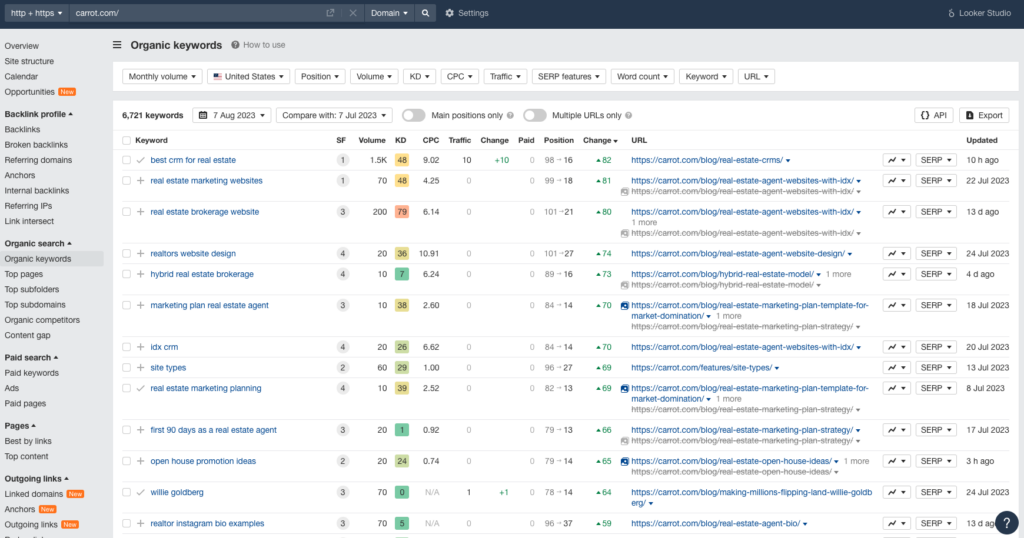
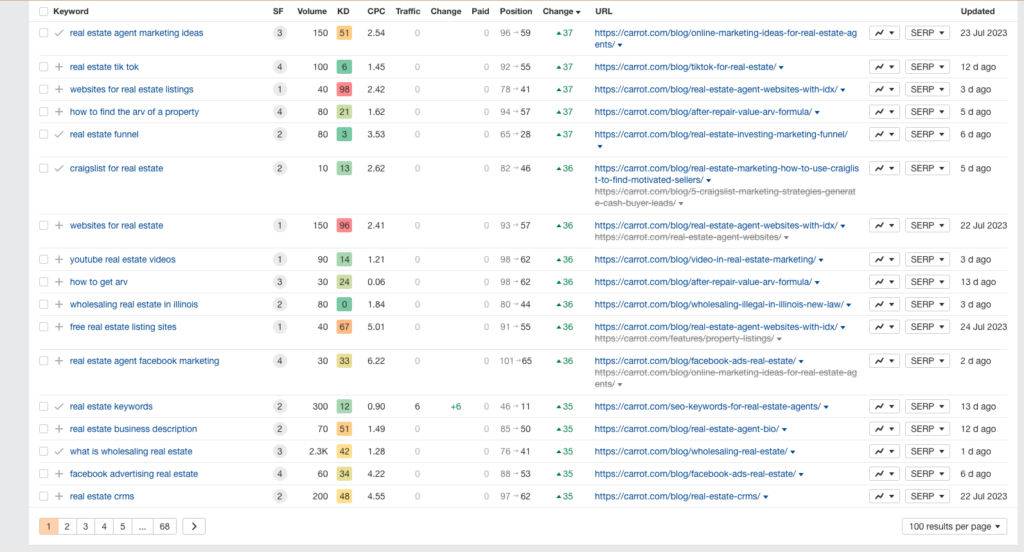
    • Our Sales Site has had 718 keywords jump in ranking by 10+ positions
    • We have also seen 806 keyword drop in rank by 10+ positions 
    • I’ve seen my personal website jump by 266 new keyword in the past week
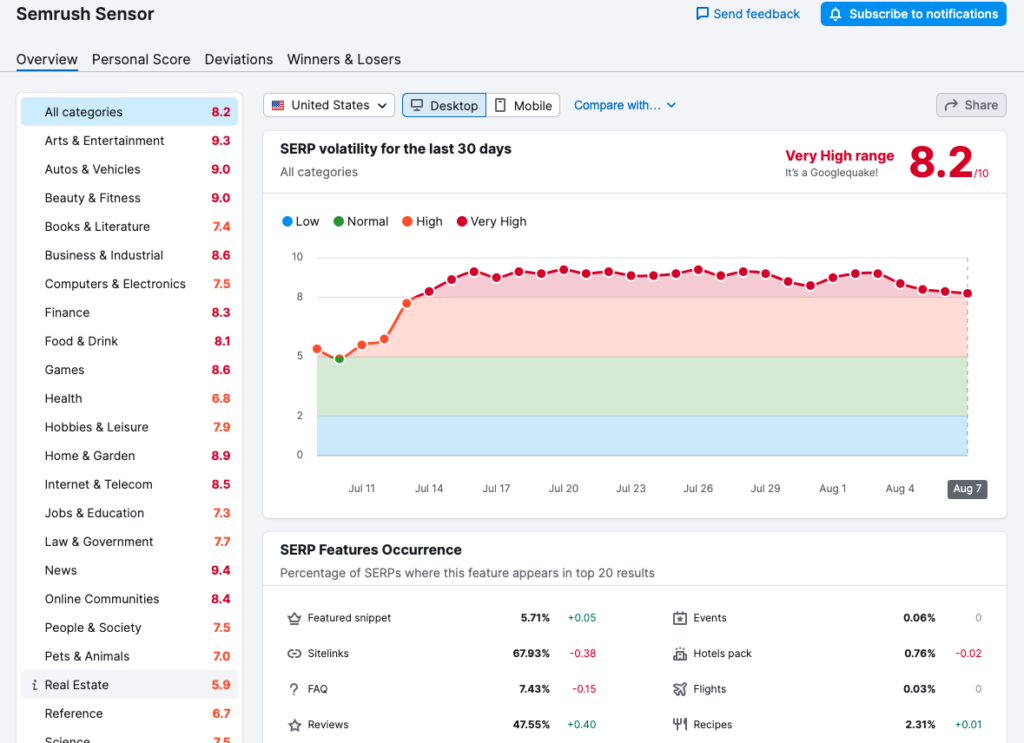
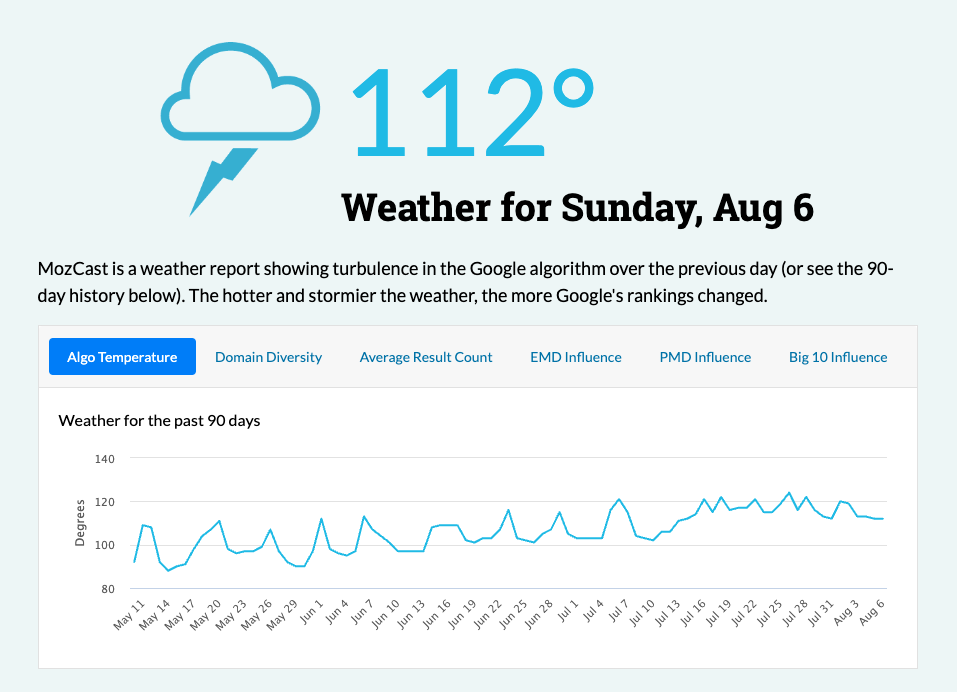
    • SEO volatility trackers are going off the charts

    While nothing is 100% certain, there is something going with the SERPs and has been for at least the past few days. Big swings in ranking like this usually points to a Core Update, but we can’t know for sure until Google confirms it. By some reports, the volatility has been high since July 14th!

    Here’s what we are seeing on Carrot.com:

    Google core update ranking changes shown in Ahrefs.
    August 2023 Google Core update rankings.
    August 2023 Google Core Update affecting the SERP volatility in late July.
    MazCast showing SERP volatility from the August 2023 GoogleCore Update

    August 2023 Google Core Update Is Live 

    The latest Google Core Update officially started rolling out on Aug. 22nd and is expected to take 2 weeks to complete.

    At this time, the changes have been somewhat mild compared to other, smaller updates that have been happening over the past two months. While members are unlikely to be alarmed by any changes to their rankings at this time – that could change over the next 12 days. If anyone does reach out to you, warmly remind them that there isn’t any reactionary “fixes” that they can do to regain rankings until the next Core Update happens. Instead, they should stick to the SEO strategy that we teach in 30 Day Challenge and review the factors that contribute to EEAT.

    Once the update has finished rolling out, we will update this post with aggregate data from our 7,600+ member sites on how this Core Update affected the real estate investor industry specifically! Stay tuned.

  • How to Build a Wholesale Real Estate Business in 30 Days vs 6 Months [Survey Results]

    How to Build a Wholesale Real Estate Business in 30 Days VS 6 Months [Survey results]

    Do you want to know what it takes to build a wholesale real estate business that generates consistent profits?

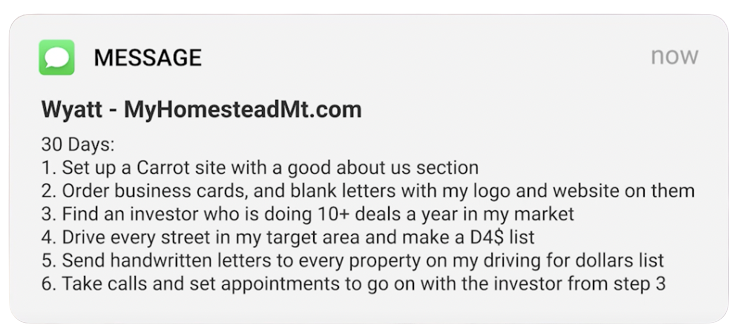
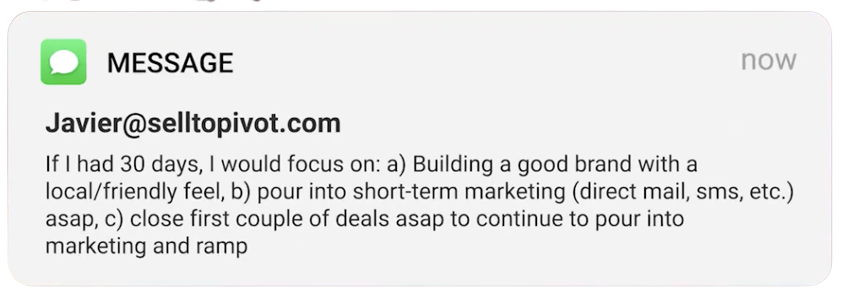
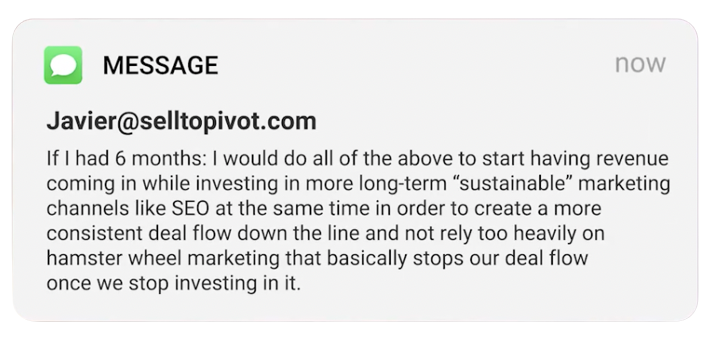
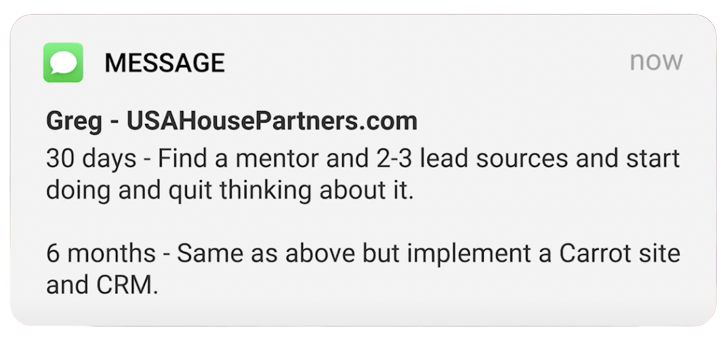
    We recently asked a select group of seasoned, successful wholesalers (out of 7,000 investors we work with) what steps they would take to build their business in 30 days versus 6 months.

    Here’s what they had to say.

    document.addEventListener(‘DOMContentLoaded’, function() { jQuery(window).scroll(function() { if ( jQuery(document).scrollTop() > $(‘#carrotToast’).offset().top && jQuery(“.carrot-toast”).attr(“displayed”) === “false”) { jQuery(‘.carrot-toast’).toast(‘show’); jQuery(“.carrot-toast”).attr(“displayed”, “true”); } }); });

    The questions we asked:

    1. What are the 5 most important software/apps you use for wholesaling?
    2. What was the biggest mindset shift that helped you find success?
    3. What steps would you take if you had just 30 days to build a wholesaling business And… What steps would you take if you had 6 months to build a wholesaling business?

    1. Favorite Apps and Tools for Wholesalers – What are the 5 most important software/apps you use for wholesaling?

    In the fast-paced world of real estate wholesaling, having the right tools can make all the difference.

    Our survey revealed a list of favorite apps and tools highly endorsed by successful wholesalers.

    From Carrot and Mojo Dialer to Google, and Excel, these tools streamline lead generation and boost productivity.

    Additionally, Canva, Propstream, ClickFunnels, Airtable, CRM Podio, Constant Contact, Facebook, and DealMachine were among the top picks to optimize efficiency and maximize results.

    2. The Biggest Mindset Shifts for Wholesalers – What was the biggest mindset shift that helped you find success?

    The answer I resonated with the most was, “My biggest mindset shift that helped me find success was when I stopped trying to get a deal and started trying to help people.”

    Next… “I’m not stealing people’s houses; I am really helping them.”

    Regarding the concern some members have expressed about our business model, it’s crucial to carefully assess how we approach closing deals and ensure that we genuinely serve homeowners’ best interests. We must ask ourselves if we are truly providing value and assistance.

    If we can confidently say that we are sincerely helping homeowners and addressing their needs, we should find peace in knowing that our actions are not about taking advantage of people. Instead, we are solving their problems in a way that no one else can.

    3. Responses: Building a Wholesale Business – 30 Days vs. 6 Months

    Here are some of the survey responses to these two questions:

    1. What steps would you take if you could do it all over again and had 30 days to build a wholesaling business (not 60 days to close a deal)?
    2. What if you had six months? What things would you focus on each month from a lead generation perspective?

    Big Takeaways – Mentorship and Long-Term Strategies

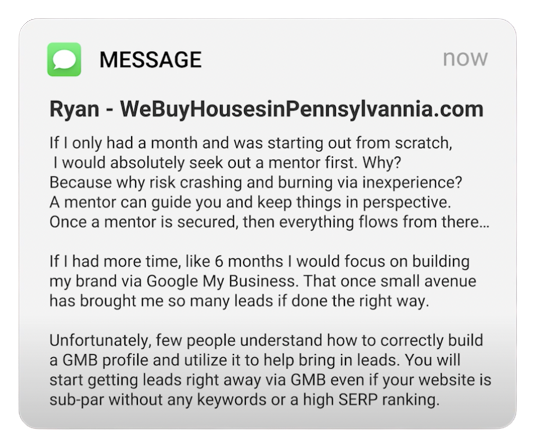
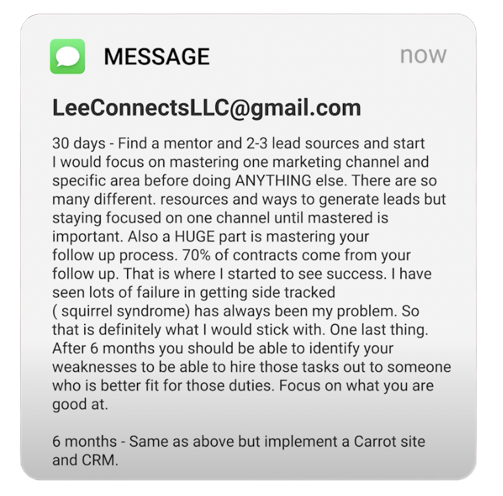
    Several responders emphasized the importance of mastering a single marketing channel and area before expanding to others. A strong emphasis was also placed on mastering the follow-up process, which accounts for many successful contracts. Delegation and building a team should be considered after six months, as weaknesses become apparent, freeing up time to focus on core strengths.

    Moreover, some respondents highlighted the value of seeking a mentor right from the start, as mentors can offer guidance and resources and help avoid pitfalls. In a longer timeframe, building a strong online presence was seen as a powerful lead generation avenue when done correctly.

    The consensus among these responses is to take focused, strategic steps, seek mentorship, and progressively expand and improve marketing efforts for a successful wholesaling business.

    How to Generate SEO Leads in 6 Months with Carrot

    Here are some basic steps you can take to get started generating SEO leads with Carrot:

    • Customize all conversion pages with unique content and make them locally relevant.
    • Set the location of my homepage to the State that you are operating in.
    • Create five city landing pages.
    • Create pillar content for each of the situations that you want to serve.
    • Write, outsource, or use our Automated Content Library posts to create topic clusters. Already a Carrot member? Learn more about topic clusters here.
    • Build 20-30 local citations either by hand or using a service.
    • Create or optimize your Google Business Profile.
    • Sponsor local charity events in exchange for local backlinks to your city landing pages. Try to create at least one link per month.
    • Pitch journalists through a platform like HARO to win backlinks for your site.

    Conclusion

    Building a successful wholesaling business is within your reach, especially with the guidance of seasoned investors.

    By leveraging their favorite apps and tools, embracing the right mindset, and following their time-tested strategies, you can achieve consistent leads, close deals confidently, and create a thriving real estate wholesaling venture. If you have any questions or thoughts, feel free to drop them below – we’re here to support your journey to success!

  • NAP – One Simple Thing That Will Make or Break Your SEO

    N.A.P. - One Simple Thing That Will Make or Break Your SEO

    If you’re just getting started in SEO, there’s one thing you can’t afford to sleep on! 😉 It’s you’re NAP – Name, address, and phone number!

    We’ll outline why this is critical and provide a few simple steps you can take to ensure the success of your NAP and local SEO efforts.

    document.addEventListener(‘DOMContentLoaded’, function() { jQuery(window).scroll(function() { if ( jQuery(document).scrollTop() > $(‘#carrotToast’).offset().top && jQuery(“.carrot-toast”).attr(“displayed”) === “false”) { jQuery(‘.carrot-toast’).toast(‘show’); jQuery(“.carrot-toast”).attr(“displayed”, “true”); } }); });
    document.addEventListener(‘DOMContentLoaded’, function() { jQuery(window).scroll(function() { if ( jQuery(document).scrollTop() > $(‘#carrotToast’).offset().top && jQuery(“.carrot-toast”).attr(“displayed”) === “false”) { jQuery(‘.carrot-toast’).toast(‘show’); jQuery(“.carrot-toast”).attr(“displayed”, “true”); } }); });

    Importance of SEO

    Having a strong online presence is paramount for the success of any business, and real estate investors are no exception. As the competition in the home services market continues to grow, leveraging Search Engine Optimization (SEO) has become a crucial aspect of any investor’s marketing strategy. SEO is optimizing a website or online content to rank higher in search engine results, attracting more organic traffic and potential clients.

    SEO offers a unique opportunity to reach a targeted audience and gain a competitive edge in their local markets. With prospective buyers, sellers, and homeowners actively searching for services online, appearing on the first page of search engine results has never been more important.

    Purpose of this blog post – How to leverage NAP for better search engine rankings and online visibility

    The primary purpose of this blog post is to equip you with the knowledge and tools needed to harness NAP’s full potential to improve its search engine rankings and online visibility. We will delve into the importance of NAP consistency across various platforms, such as their website, Google My Business, online directories, and other crucial marketing channels.

    Throughout the post, we will explore the strategic implementation of NAP in local SEO, focusing on essential practices and techniques to ensure accurate and consistent NAP data across the web. Following the guidelines and tips, you can strengthen your digital presence, enhance your local relevance, and ultimately attract more leads and clients in your target markets.

    The following sections will provide a comprehensive guide on mastering SEO for home services businesses, including real estate investors using NAP. This guide will empower you to take charge of your online visibility and rise above the competition in the ever-evolving landscape.

    Let’s dive in!

    Table of Contents

    Definition of NAP and Its Components

    NAP, an acronym for Name, Address, and Phone Number, is fundamental in online marketing and local search engine optimization (SEO). Understanding NAP and its components is crucial to building a strong and consistent online presence.

    1. Name: The name represents the official title of your business. It is the primary identifier sellers and search engines use to recognize and distinguish your brand from others. When providing your business name, it’s essential to consistently use the same spelling and formatting across all online platforms and directories.
    2. Address: The address refers to the physical location of your business. This could be your main office address or the address of a specific property you are marketing. Accurate and up-to-date addresses are essential for clients who may want to visit your office or property, and they play a significant role in local SEO.
    3. Phone Number: The phone number is the contact number sellers can use to reach you for inquiries, appointments, or consultations. As a home services business, having a direct and reliable phone number helps establish trust and accessibility for potential clients.

    The Significance of Accurate and Consistent NAP Across Platforms

    Maintaining accurate and consistent NAP across online platforms and directories is important. Here’s why:

    1. Trust and Credibility: Consistent NAP instills trust in potential clients, demonstrating that your business is legitimate, reliable, and committed to providing professional services. Inconsistencies in NAP, such as variations in spelling or address details, can lead to confusion and erode trust.
    2. Search Engine Rankings: Search engines, particularly Google, use NAP data as a critical ranking factor in local search results. When search engines encounter consistent NAP information across multiple platforms, it enhances the credibility of your business, leading to improved local search rankings.
    3. Local Relevance: Targeting specific geographic locations and consistent NAP is essential for local relevance. When your NAP details align with local search queries, search engines are more likely to display your business in relevant local search results, increasing your visibility to potential clients in the area.
    4. Accurate Directory Listings: Many online directories and platforms require businesses to provide NAP information to create accurate listings. Consistency in NAP ensures that your business is accurately represented in these directories, making it easier for clients to find you.

    How Search Engines Use NAP Data to Determine Local Search Rankings

    Search engines, especially Google, place a significant emphasis on local search results for location-specific queries. When users search for opportunities or services in a particular area, search engines use NAP data to verify the legitimacy and relevance of local businesses.

    By cross-referencing NAP details from various online sources, search engines can confirm the existence and consistency of your business. Accurate NAP information strengthens your local SEO strategy, as search engines consider your business a reliable and trustworthy choice for users seeking services in the targeted location.

    Understanding NAP and its components is crucial for businesses looking to establish a strong online presence and improve their local search rankings. Consistency and accuracy in NAP across platforms play a pivotal role in gaining the trust of potential clients and increasing online visibility in the competitive market. Embracing NAP optimization as part of your overall SEO strategy will help you attract more leads and grow your real estate business effectively.

    Local Competition and the Need to Stand Out in Search Results

    As a home services business owner, you know the fierce competition within your local market. Whether buying residential properties, commercial spaces, or managing rental properties, standing out from competitors is essential. Local SEO empowers you to do just that by positioning your business at the top of local search results.

    When potential clients search for services in your area, search engines use various factors, including NAP consistency, to determine which businesses are most relevant to display. If your business is not optimized for local SEO, you may lose valuable leads to competitors who have implemented these strategies effectively.

    Investing in local SEO and ensuring your NAP information is consistent across platforms can help you outperform competitors and attract more clients to your business.

    Leveraging NAP to Target Local Keywords and Capture Local Leads

    One key component of successful local SEO is leveraging NAP to effectively target local keywords. Local keywords are search terms that include specific location-based phrases, such as “real estate investor in [your city]” or “companies that buy houses fast in [your city].”

    When you maintain consistent NAP across your website, Google Business Profile, and various online directories, search engines recognize your business as a relevant result for local search queries. This, in turn, boosts your rankings for relevant local keywords and ensures that your business appears prominently when potential clients are looking for services in your area.

    Furthermore, providing accurate NAP information makes contacting your business easier for local leads. Whether they find your phone number on your website, Google Business Profile, or an online directory, having consistent NAP ensures that they can reach you without any confusion, ultimately increasing the likelihood of converting them into satisfied clients.

    By optimizing your online presence for local searches, you can target a specific audience, outperform competitors, and capture more local leads. As the market evolves, incorporating local SEO strategies into your marketing efforts will pave the way for sustained growth and success in your local market.

    Ensuring Accuracy in Business Name, Address, and Phone Number

    Implementing NAP effectively starts with ensuring the accuracy of your business name, address, and phone number. Inconsistent or incorrect NAP information can confuse potential clients and search engines, negatively impacting local SEO efforts. Here are some key steps to ensure accuracy:

    1. Double-Check Data: Verify that your business name, address, and phone number are correct and up-to-date. Ensure that there are no typos, misspellings, or outdated information.
    2. Consistency Across Platforms: Ensure that your NAP details are consistent across your website, Google My Business, online directories, social media profiles, and any other online platforms where your business is listed.
    3. Local Formatting: Use the local formatting style for your address, including the city, state, and postal code. This helps search engines associate your business with specific geographic areas.

    The Role of a Website in Displaying Consistent NAP

    Your website is a lead generation system for conveying essential information to customers and search engines. Consistently displaying your NAP on your website reinforces its legitimacy and reliability. Here’s how to implement NAP on your website effectively:

    1. Contact Page: Create a dedicated “Contact” page on your website, prominently displaying your business name, address, and phone number. This page should also include other relevant contact details, such as email addresses and office hours.
    2. Footer Section: Add your NAP in the footer section of your website. This ensures that the information is easily accessible to visitors across all pages.
    3. Schema Markup: Implement schema markup for your NAP. Schema markup is a structured data format that provides search engines with specific information about your business. It helps improve the display of search results and may lead to rich snippets, making your listing more attractive to users.
    NAP on Contact Us Page
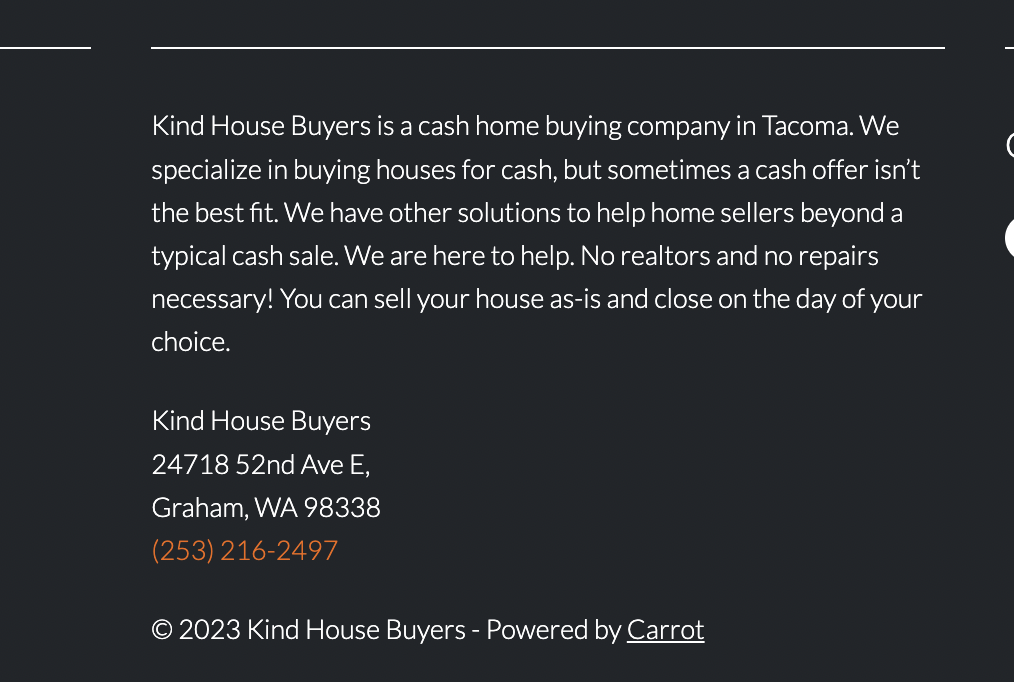
    NAP in the website footer

    Optimizing Google Business Profiles for Maximum Impact

    Google Business Profile (formerly Google My Business) is a powerful tool for local SEO and online visibility. It plays a significant role in enhancing your NAP’s impact and reaching a broader audience. Here’s how to optimize your profile listing effectively:

    1. Step-by-Step Guide to Claiming and Verifying the GBP Listing
    • Log in to your Google account and navigate to Google Business Profile.
    • Click “Manage Now” and follow the prompts to claim your business.
    • Google may verify your business through a postcard, phone call, or email. Complete the verification process to gain full control of your profile listing.
    1. Importance of Adding NAP to GBP and Other Relevant Details
    • Ensure that your business name, address, and phone number match exactly with the information you provided on your website and other platforms.
    • Add relevant details, such as business hours, website URL, and services offered, to provide a comprehensive overview of your business.
    1. Responding to Reviews and Managing Customer Interactions on GBP
    • Regularly monitor and respond to customer reviews on your GBP listing. Engaging with customer feedback shows that you value their opinions and helps build trust with potential clients.
    • Use the messaging feature on GBP to interact with customers and address inquiries promptly. Timely responses demonstrate your commitment to excellent customer service.

    By effectively implementing NAP, ensuring consistency across your website and GMB, and optimizing your GBP listing, you can bolster your local SEO efforts and strengthen your business’s online presence.

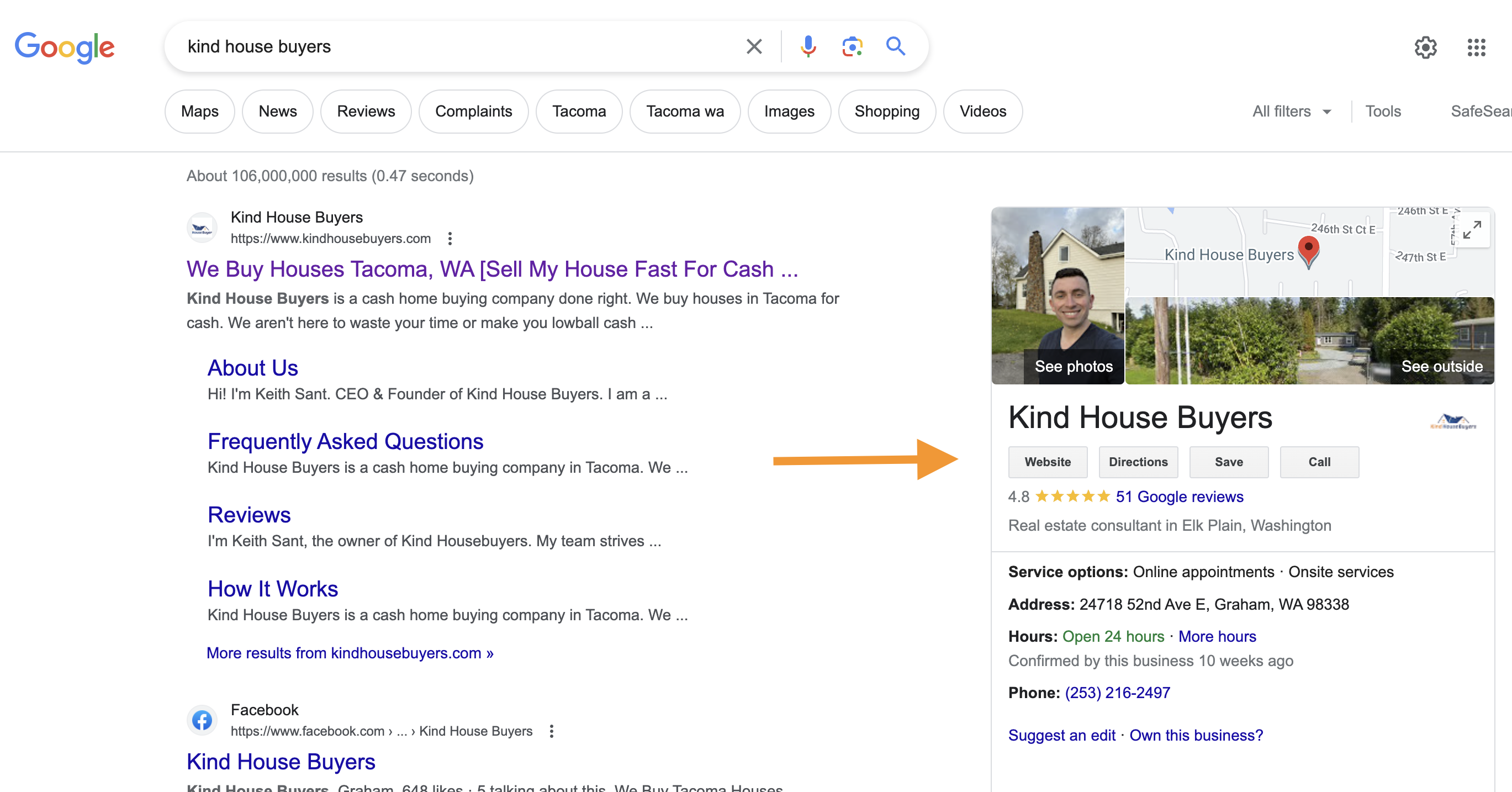
    Google Business Profile Example

    Identifying Authoritative and Relevant Online Directories

    Creating citations and listings on authoritative and relevant online directories is a crucial aspect of local SEO. Citations are instances where your business name, address, and phone number are mentioned on external websites.

    Search engines use these citations to validate and verify the accuracy of your NAP information, contributing to higher local search rankings. Here’s how to identify the right directories:

    1. Local Business Directories: Look for popular local business directories specific to your area. These may include Yelp, Yellow Pages, Local.com, and Chamber of Commerce directories.
    2. Niche Directories: Find directories focusing on home services. These niche directories attract a targeted audience interested in transactions.
    3. Industry-Specific Platforms: Consider directories catering to specific aspects of the industry, such as commercial or rental properties.
    4. Location-Based Platforms: Explore directories that target your specific location or region. These platforms can increase your visibility among local clients searching for services in your area.

    Consistency in NAP Across Citations to Boost Local Rankings

    Consistency in NAP information across citations is critical for enhancing local search rankings and reinforcing your business’s credibility. Search engines reward businesses with accurate and uniform NAP data. Here’s how to achieve consistency:

    1. Audit Existing Citations: Audit your existing citations to identify discrepancies or outdated information. Update all inaccurate citations to reflect your current NAP details.
    2. Use a Standard Format: Maintain a standardized format for your NAP across all directories and listings. Consistency in punctuation, abbreviations, and spacing is essential.
    3. Verify Accuracy Regularly: Regularly check your NAP information on all platforms and directories to ensure accuracy. Changes in contact details or office locations should be promptly updated to maintain consistency.
    4. Avoid Duplicate Listings: Duplicate listings can confuse search engines and potential clients. Monitor and merge duplicate citations to prevent any negative impact on local SEO.

    While numerous directories are available, focusing on the most popular and reputable ones can yield the best results. Here are some popular directories and platforms to consider:

    Yellowpages.com
    BBB.org
    Yelp
    YouTube
    SuperPages
    City-Data
    Citysearch
    Yellowbook.com
    Yahoo Local
    Angie’s List
    Facebook
    MerchantCircle
    Dex Knows
    HomeAdvisor
    Manta
    Bing Places
    FourSquare
    LinkedIn
    Hotfrog
    InsiderPages
    Your Local Chamber of Commerce

    By strategically choosing authoritative directories, ensuring NAP consistency, and leveraging popular platforms, you can boost your online visibility, attract targeted leads, and establish a strong presence in your local market.

    As you build and maintain citations, remember that accuracy and relevance are key factors in optimizing your local SEO efforts.

    Regular Audits of NAP Information on Various Platforms

    Once you have implemented NAP across different platforms and directories, the journey doesn’t end there. To ensure continued success in local SEO, monitoring and maintaining NAP consistency is essential.

    Regular audits of your NAP information on various platforms help identify any discrepancies or inaccuracies that may have arisen over time. Here’s how to conduct effective NAP audits:

    1. Set a Schedule: Establish a regular schedule for conducting NAP audits. Depending on the size of your business and the number of platforms you’re listed on, audits can be performed monthly, quarterly, or biannually.
    2. Check Major Directories: Focus on popular and authoritative directories where your business is listed. This includes Google Business Profile, Yelp, possibly Zillow, and other industry-specific platforms.
    3. Verify Accuracy: Ensure that your business name, address, and phone number are correct and consistent across all platforms. Look out for typos, outdated information, or duplicate listings.
    4. Update Changes: If your business undergoes any changes, such as a new office location or phone number, immediately update the NAP information on all platforms.

    Tools and Techniques to Track NAP Citations and Performance

    Tracking NAP citations and performance is crucial for understanding the impact of your local SEO efforts and identifying areas that may require improvement. Fortunately, several tools and techniques can assist you in monitoring NAP consistency:

    1. Local SEO Software: Various local SEO tools are available that allow you to manage and track NAP information across multiple platforms from a single dashboard. Examples include Moz Local, BrightLocal, and Yext.
    2. Google Analytics: Use Google Analytics to track website traffic and understand which directories or platforms drive the most visitors to your site.
    3. Google Search Console: Google Search Console provides insights into your website’s performance in terms of Google’s search results. It can help identify issues with NAP consistency or indexing problems.
    4. Manual Searches: Conduct regular manual searches using your business name, address, and phone number to see how your NAP information is displayed in search results. This can help you spot any discrepancies that may need attention.

    Addressing and Correcting NAP Inconsistencies and Errors

    During NAP audits or through monitoring tools, you may discover inconsistencies or errors in your NAP information. Addressing and correcting these issues promptly is crucial to maintaining a strong online presence. Here’s how to handle NAP inconsistencies:

    1. Update Directories: For directories or platforms where your NAP information is inaccurate, log in to the platform and update your details to reflect the correct information.
    2. Contact Webmasters: If you encounter discrepancies on third-party websites or directories that you cannot edit directly, contact the webmasters or site administrators to request corrections.
    3. Merge Duplicate Listings: If your business has duplicate listings on certain platforms, merge them to avoid confusion and improve NAP consistency.
    4. Monitor Changes: Monitor your NAP information regularly to ensure that any future changes are promptly updated across all platforms.

    By performing regular NAP audits, leveraging tracking tools, and promptly addressing inconsistencies, you can maintain the accuracy and consistency of your NAP information.

    Staying Up-to-Date with NAP Changes During Relocations or Office Moves

    As a home services business, you may experience changes over time, such as relocating to a new office or opening additional branches. During such transitions, staying proactive in updating your NAP information across all online platforms is crucial. Here are some best practices for managing NAP changes effectively:

    1. Update Website: If you have a website, ensure the new address and contact details are promptly reflected on the “Contact” page and in the website footer.
    2. Google Business Profile: If you have a verified Profile listing, update the address and contact information through the GBP dashboard. Remember also to verify the new location to maintain your credibility with Google.
    3. Online Directories: Access relevant online directories and update your NAP details. Pay attention to popular directories and platforms where your business is listed.
    4. Outreach to Webmasters: If you can’t directly update NAP information on certain third-party websites, contact the webmasters or administrators to request updates.

    By staying vigilant during relocations or office moves, you can ensure that your NAP remains accurate and consistent across the web, preserving your local SEO efforts and maintaining customer trust.

    Leveraging Customer Reviews and Testimonials for NAP Credibility

    Customer reviews and testimonials play a significant role in establishing your business’s credibility and reliability. Leveraging these reviews to reinforce your NAP information can boost your local SEO efforts. Here’s how to do it effectively:

    1. Encourage Reviews: Request reviews from satisfied clients and direct them to leave reviews on your Google My Business listing and other relevant directories.
    2. Respond Promptly: Engage with customer reviews by responding promptly and professionally. Express gratitude for positive feedback and address any concerns raised in negative reviews.
    3. Include NAP in Responses: When responding to reviews, include your business name, address, and phone number in the response. This adds a layer of credibility to your business.
    4. Showcase Testimonials: Feature positive customer testimonials on your website and social media channels. Ensure that these testimonials include NAP information to enhance their authenticity.

    By incorporating customer reviews and testimonials that mention your NAP, you will reinforce the consistency of your business information and build trust with potential clients seeking services in your area.

    Combining NAP Optimization with Other Local SEO Strategies

    NAP optimization is fundamental to local SEO, but it’s most effective when combined with other strategies. Here are some additional local SEO practices to complement your NAP efforts:

    1. Local Content: Create valuable, location-specific content on your website, such as market reports, neighborhood guides, and local news. This enhances your local relevance and attracts a targeted audience.
    2. Local Keywords: Incorporate local keywords throughout your website, content, and meta tags. This helps search engines understand your focus on a specific area.
    3. Backlinks: Obtain high-quality backlinks from local businesses, chambers of commerce, and associations. Local backlinks boost your authority and visibility in local search results.
    4. Social Media Engagement: Engage with your local community through social media platforms. Interact with followers, share local news, and showcase your local market expertise.

    By combining NAP optimization with other local SEO strategies, you create a comprehensive approach that strengthens your online presence, improves search engine rankings, and establishes your business as a local industry leader.

    Final Thoughts on Building a Strong Online Presence with NAP Consistency

    Maintaining a consistent NAP is not just about complying with search engine algorithms; it is a strategic approach to building a robust online presence and reinforcing your brand identity. Presenting accurate and reliable NAP information to potential clients establishes trust and credibility, which is vital in competitive markets.

    NAP consistency extends beyond your website and Google Business Profile listing; it encompasses all online platforms where your business is listed. Whether local directories, social media, or online portals, ensuring uniform NAP details across the board contributes to a unified and recognizable brand identity.

    As we conclude this blog post, we encourage you to embrace NAP optimization as an integral part of their local SEO strategy. Consistent and accurate NAP data will improve your search engine rankings and enhance your reputation, customer trust, and online visibility.

    You can position your business as a trustworthy and reputable local industry leader by staying vigilant during office moves, leveraging customer reviews, and combining NAP optimization with other local SEO practices. Embracing NAP strategies will attract more targeted leads and create a solid foundation for sustainable success in your local market.

    Remember, mastering SEO with NAP is an ongoing process. Continuously monitor and maintain your NAP information, adapt to changes, and keep your online presence fresh and engaging. By incorporating NAP best practices into your marketing efforts, you will remain competitive, relevant, and visible in the ever-evolving world of home services marketing.

  • The Game-changer for Real Estate Investors: Unlock the Power of a Clear Business Vision

    As a real estate investor, you understand the critical importance of having a clear business vision to achieve long-term success.

    document.addEventListener(‘DOMContentLoaded’, function() { jQuery(window).scroll(function() { if ( jQuery(document).scrollTop() > $(‘#carrotToast’).offset().top && jQuery(“.carrot-toast”).attr(“displayed”) === “false”) { jQuery(‘.carrot-toast’).toast(‘show’); jQuery(“.carrot-toast”).attr(“displayed”, “true”); } }); });
    document.addEventListener(‘DOMContentLoaded’, function() { jQuery(window).scroll(function() { if ( jQuery(document).scrollTop() > $(‘#carrotToast’).offset().top && jQuery(“.carrot-toast”).attr(“displayed”) === “false”) { jQuery(‘.carrot-toast’).toast(‘show’); jQuery(“.carrot-toast”).attr(“displayed”, “true”); } }); });

    This blog post will delve into the significance of a well-defined business vision and how it can drive you toward your goals.

    We will also address the common challenges investors face when their vision is unclear and the advantages and benefits accompanying a clear business vision.

    Recently, Trevor conducted this exercise with the investors in our EPIC program, and the feedback has been incredibly positive. I wanted to share the insights with you as well.

    The blog post will follow a structured approach: First, we’ll discuss the struggles you may encounter without a clear vision. Next, we’ll explore the numerous benefits of having a well-defined vision. Finally, we’ll provide the key principles for creating a compelling vision for your business.

    How Clear Are You on the Vision of Your Business 3 Years Out?

    Before we dive into the impact of a clear business vision, let’s take a moment to assess your current understanding of your business’s direction. How well-defined is your vision for the next three years?

    Do you have a clear roadmap that outlines your goals, strategies, and desired outcomes?

    Having a strong vision provides a sense of purpose and direction, which is essential in the fast-paced world of real estate investing.

    Problems You Face If Your Vision Is Not Clear

    In the fast-paced and dynamic world of real estate investing, having a clear vision for your business is akin to a compass that guides you toward success. However, when that vision is hazy or undefined, real estate investors encounter many challenges that can impede progress and hinder growth.

    In this section, we will explore the common problems faced by investors when their business vision lacks clarity. From slowing momentum and distractions to second-guessing and misalignment, understanding these obstacles will underscore the importance of crafting a well-defined business vision for lasting success.

    Momentum Slows:

    Without a clear business vision, momentum can grind to a halt. Your team may lose focus, and decision-making becomes more challenging. A lack of clarity can lead to inefficiencies and lost opportunities, hindering your progress and growth.

    Distracted:

    In the real estate investing landscape, distractions abound. A vague vision can make it difficult to prioritize opportunities and initiatives, causing you to chase multiple paths without making significant progress on any.

    Second Guessing:

    Uncertainty in your business vision can result in constant second-guessing. You may question your choices and strategies, leading to hesitation and missed chances to capitalize on lucrative deals.

    Misalignment:

    As your real estate investment business expands, misalignment among team members can become prevalent. A lack of a cohesive vision may lead to conflicting objectives and differing priorities, hampering teamwork and productivity.

    Bottlenecked Business Decisions:

    As the visionary behind your real estate investment business, you may find yourself becoming a bottleneck for crucial decisions. A vague vision makes it challenging to delegate effectively and empower your team to act autonomously.

    The Power of a Strong Business Vision

    A clear vision is the North Star that illuminates the path to success for real estate investors. When your business vision is well-defined, it becomes a powerful catalyst for positive organizational transformations.

    This section unveils what awaits real estate investors who craft a crystal-clear vision for their ventures. With clarity and confidence, you will regain control of your business, eliminating bottlenecks and empowering your team to take charge.

    Moreover, better focus, more time, and boundless energy will be at your disposal as you set your sights on achieving your long-term goals. Let’s delve into the remarkable rewards that await those who embrace the power of a well-crafted business vision.

    Clarity and Confidence:

    A well-defined business vision is essential in the complex world of real estate investment. It provides unparalleled clarity, blueprinting for the future, and guiding you toward long-term goals. With clarity, you can make informed choices, accurately assess risks, and remain resilient in facing challenges.

    Having a clear business vision instills confidence in decision-making, serving as a guiding light through the unpredictable real estate landscape. This confidence is infectious and inspires trust and faith in partners, investors, and stakeholders.

    Remove Yourself as a Bottleneck:

    A clear business vision allows you to delegate with trust, freeing yourself from becoming a bottleneck. This empowers your team to take ownership and drive the business forward while you focus on strategic growth.

    When you and your team share a common understanding of the ultimate objective, evaluating opportunities, assessing potential risks, and making strategic choices aligned with your vision become easier.

    Empowering Your Team to Lead:

    A shared vision aligns your team members with the company’s goals, empowering them to take initiative and lead. This fosters a cohesive, goal-oriented workforce, enhancing overall productivity and success.

    A clear business vision empowers your team members with a shared sense of purpose and direction. When they understand how their contributions align with the bigger picture, they become more engaged, motivated, and proactive in driving the company forward. An inspired and cohesive team becomes a formidable force, propelling your investment ventures to new heights. Hot tip: if your team is remote, use a messaging app like Slack or Microsoft Teams integrations to improve collaboration and streamline communication.

    Better Focus, More Time, and More Energy:

    A crystal-clear vision helps you prioritize essential tasks and avoid distractions. With a well-defined path, you can allocate your time and energy more effectively, leading to increased efficiency and better results.

    A well-crafted business vision reignites that sense of purpose, reminding you of the greater impact you strive to create. It fuels your passion, invigorates your determination, and keeps you connected to the reason you chose this path in the first place.

    Business Vision Tactics

    The most effective way to learn about business visions is through intensive coaching and hands-on implementation, similar to what our EPIC members are currently experiencing. Click the image below if you are interested in learning more about our EPIC program!

    Business Vision Key Principles

    The key principles outlined below are Trevor’s own. He shared these insights during one of Carrot’s EPIC strategy meetings, and they are written in the first person.

    creating a business vision
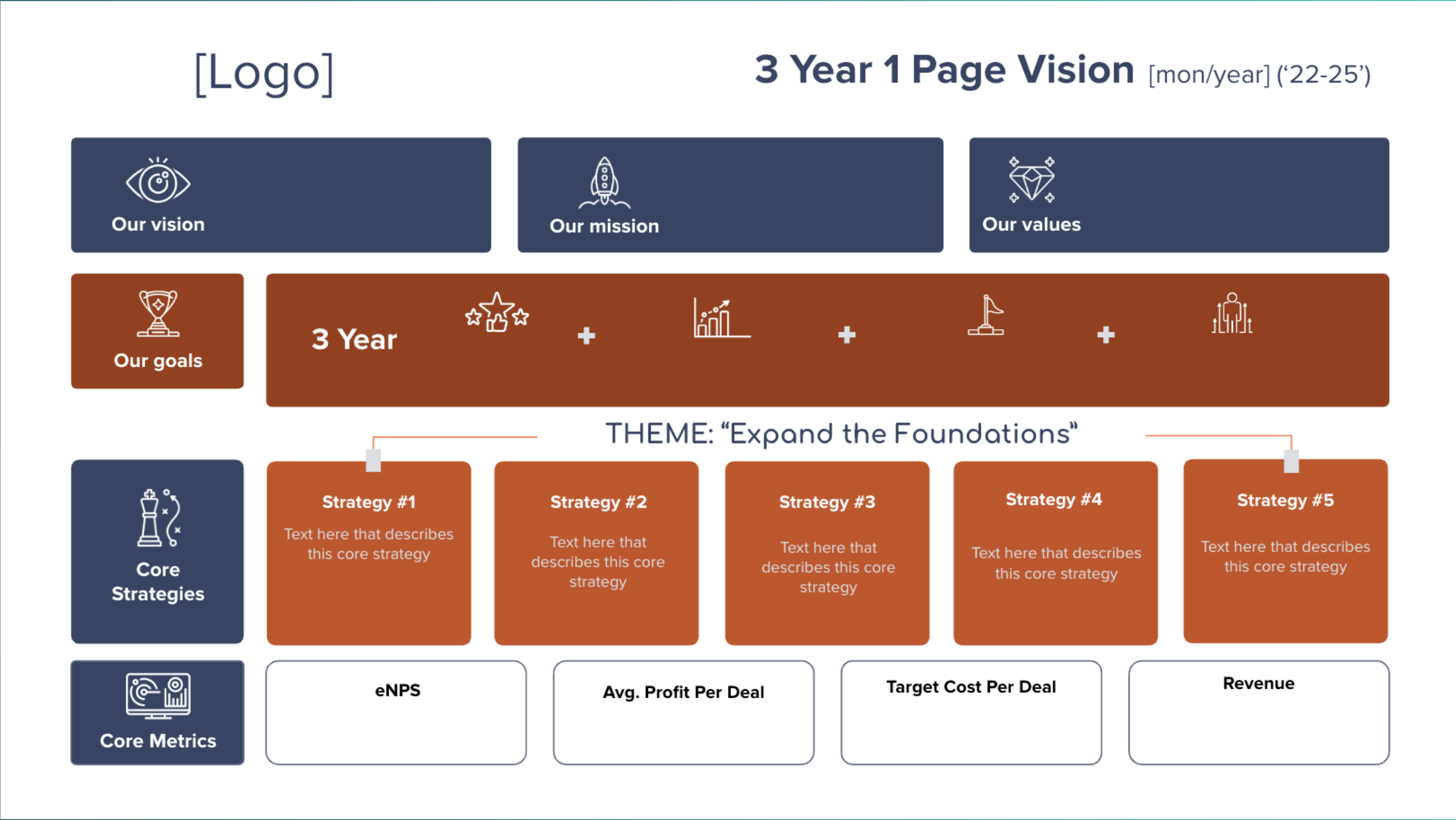
    Here is an example of a Business Vision Template

    Key Principle 1: Planning 3 Years Out

    It’s crucial to dedicate the right amount of time to crafting a vision that both excites you and stands the test of time. While the market does undergo changes, a three-year timeframe allows for a solid strategy without anticipating drastic shifts.

    This period offers enough space to achieve significant milestones and make substantial progress. Simultaneously, it isn’t so long that you feel trapped in the same approach for an extended period. The three-year interval provides the opportunity to refresh and adapt your vision every three years, ensuring it remains relevant and aligned with your evolving goals.

    Key Principle 2: Defining Your Why

    Define your “why” – Why do you want to do business? What is your company’s mission, and why does your company exist?

    At Carrot, we have significantly emphasized defining our “why.” Our mission is to help you build businesses of freedom and impact, enabling you to lead a life of freedom and make a meaningful difference.

    This principle extends beyond just our customers; it also applies to our employees. We believe that simply striving to be the best in a particular industry won’t resonate with you or your customers on a deeper level.

    That’s precisely why we launched our EPIC program. We created this program because we identified a gap in our business model. While we excel at helping people secure consistent and predictable leads, we realized we could do more to support them in building businesses that embody freedom and impact.

    Identifying your “why” gives you the energy and purpose to align your values with your business objectives. It goes beyond merely seeking success and focuses on creating a positive and meaningful impact.

    Key Principle 3: Key Priorities

    I prefer to focus on three key priorities, which could be termed priorities or strategies. Over three years, we set clear revenue targets, establish three to five core values defining our business, and craft a concise mission statement explaining our company’s existence and significance.

    Then, we determine the three most critical actions we should undertake to achieve those objectives over the next three years. For instance, one of these strategies could involve adding multi-family properties to our portfolio, especially if we haven’t ventured into that segment before and want to transition from hamster wheel income to evergreen income.

    Another strategy might revolve around building a strong team to bolster our capabilities. Alternatively, we could focus on expanding into multiple markets, transforming our company into a multi-market entity.

    Every year, as we plan for the upcoming year (2024 and 2025 in this case), we refer back to our business vision with the three key strategies in mind. This helps us prioritize our actions for the year and determine what’s most important to accomplish.

    Key Principle 4: Key Strategies

    I will select what I refer to as key strategies. You can choose 10, 12, or even just one or two. However, I prefer four to five as they represent the most important strategies that form the foundation of the business’s overall health.

    The business vision should not be cluttered with 20 different strategies. Instead, I prefer to focus on what we call the four P’s:

    1. People: This involves considering the team and the talent that will drive the business forward.
    2. Process: Refers to efficient and effective workflows and systems contributing to the business’s success.
    3. Product: This relates to the specific offerings the business provides. For example, if you’re a wholesaler or house flipper, that’s your product. If you’re involved in multi-family rentals, that’s also a product. It’s essential to be clear about the products the business will pursue.
    4. Profits: This aspect pertains to the financial side of the business. It involves understanding how the money flows, revenue generation, and overall profitability.

    By addressing these four key areas (People, Process, Product, and Profits) in the business vision, we can lay a strong foundation for future success.

    Key Principle 5: Communication

    The last and arguably the most crucial aspect of your business vision is communication. Without active communication and integration into your company’s operations, the business vision becomes merely a document with interesting content, but the team doesn’t understand its purpose or significance.

    An integral part of fostering effective communication within your real estate investment endeavors involves implementing robust contact center software. The latter facilitates seamless interaction with stakeholders, clients, and team members, streamlining communication channels for optimal efficiency.

    Creating this document is not enough; it cannot just sit there without active engagement. To make the vision truly impactful, it needs to be prominently displayed on the walls of your office and discussed regularly.

    It should be a central topic during team meetings, including Monday and Friday calls. It should be woven into your overall business strategy and annual plan. Without active communication and integration into your company’s operations, the business vision becomes merely a document with interesting content, but the team doesn’t understand its purpose or significance. To truly have a business vision, it must be communicated effectively and consistently throughout the organization.

    A well-defined business vision instills confidence and clarity in entrepreneurs and their teams. This clear direction facilitates decision-making and renews a sense of purpose.

    Conclusion

    In conclusion, a well-defined business vision is the catalyst for success and growth in the world of real estate investment.

    Instilling confidence, clarity, and purpose empowers you and your team to navigate the industry’s complexities with confidence and determination. With a shared vision, your team is united, enthusiastic, and dedicated to achieving your long-term objectives.

    As you continue your journey as high-level real estate investors, remember that a clear business vision is a compass that will lead you to unparalleled heights of success and fulfillment.

  • ChatGPT for Google Ads – 5 AI-powered Strategies for Real Estate Investors to Find Motivated Sellers

    As a real estate investor, you know that finding motivated sellers is crucial to your success. With the emergence of powerful AI tools like ChatGPT and Bard, there are now even more ways to automate your lead generation efforts and optimize your Google Ads campaigns.

    document.addEventListener(‘DOMContentLoaded’, function() { jQuery(window).scroll(function() { if ( jQuery(document).scrollTop() > $(‘#carrotToast’).offset().top && jQuery(“.carrot-toast”).attr(“displayed”) === “false”) { jQuery(‘.carrot-toast’).toast(‘show’); jQuery(“.carrot-toast”).attr(“displayed”, “true”); } }); });
    document.addEventListener(‘DOMContentLoaded’, function() { jQuery(window).scroll(function() { if ( jQuery(document).scrollTop() > $(‘#carrotToast’).offset().top && jQuery(“.carrot-toast”).attr(“displayed”) === “false”) { jQuery(‘.carrot-toast’).toast(‘show’); jQuery(“.carrot-toast”).attr(“displayed”, “true”); } }); });

    In the past, automation tools were primarily focused on bid management and targeting.

    However, with the latest wave of generative AI technology, you can now leverage the power of text generation to create more effective ad copy that resonates with your target audience.

    Using ChatGPT for Google Ads lets you set up and optimize your accounts and save time and resources while improving your campaigns’ effectiveness. With ChatGPT, you can automate tasks such as ad creation, keyword research, and even ad testing and optimization.

    Using the right keywords in your ad copy is important to attract motivated sellers. Some examples of keywords to target might include “sell my house fast,” “cash home buyer,” or “we buy houses.” Incorporating these keywords into your ad copy and using ChatGPT to generate compelling headlines and descriptions can increase your chances of connecting with motivated sellers and closing more deals.

    Overall, the emergence of AI-powered tools represents a significant opportunity for real estate investors to streamline their lead generation efforts and improve the effectiveness of their Google Ads campaigns.

    ChatGPT for Google Ads for Real Estate Investors

    Discovering Motivated Seller Keywords with ChatGPT

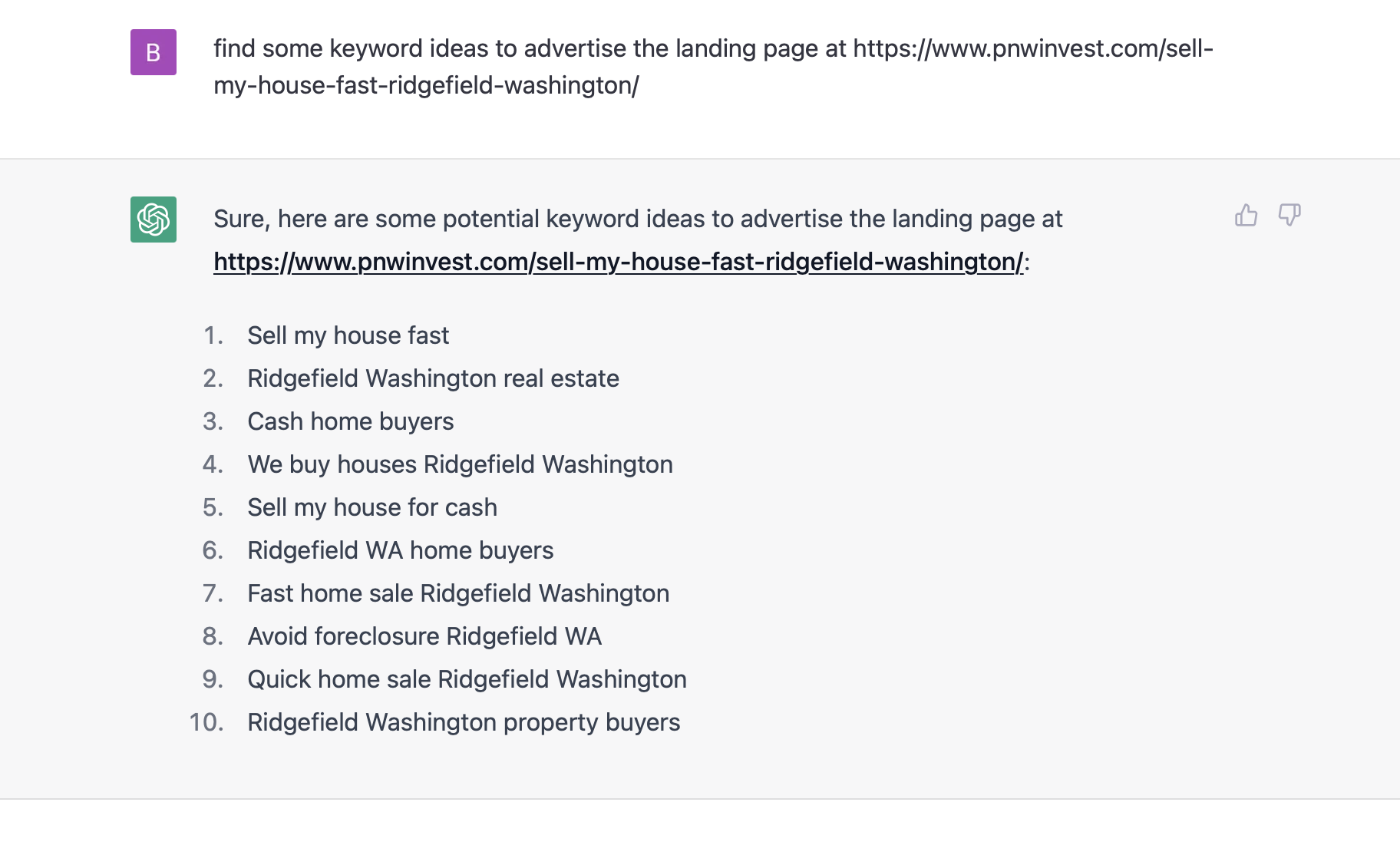
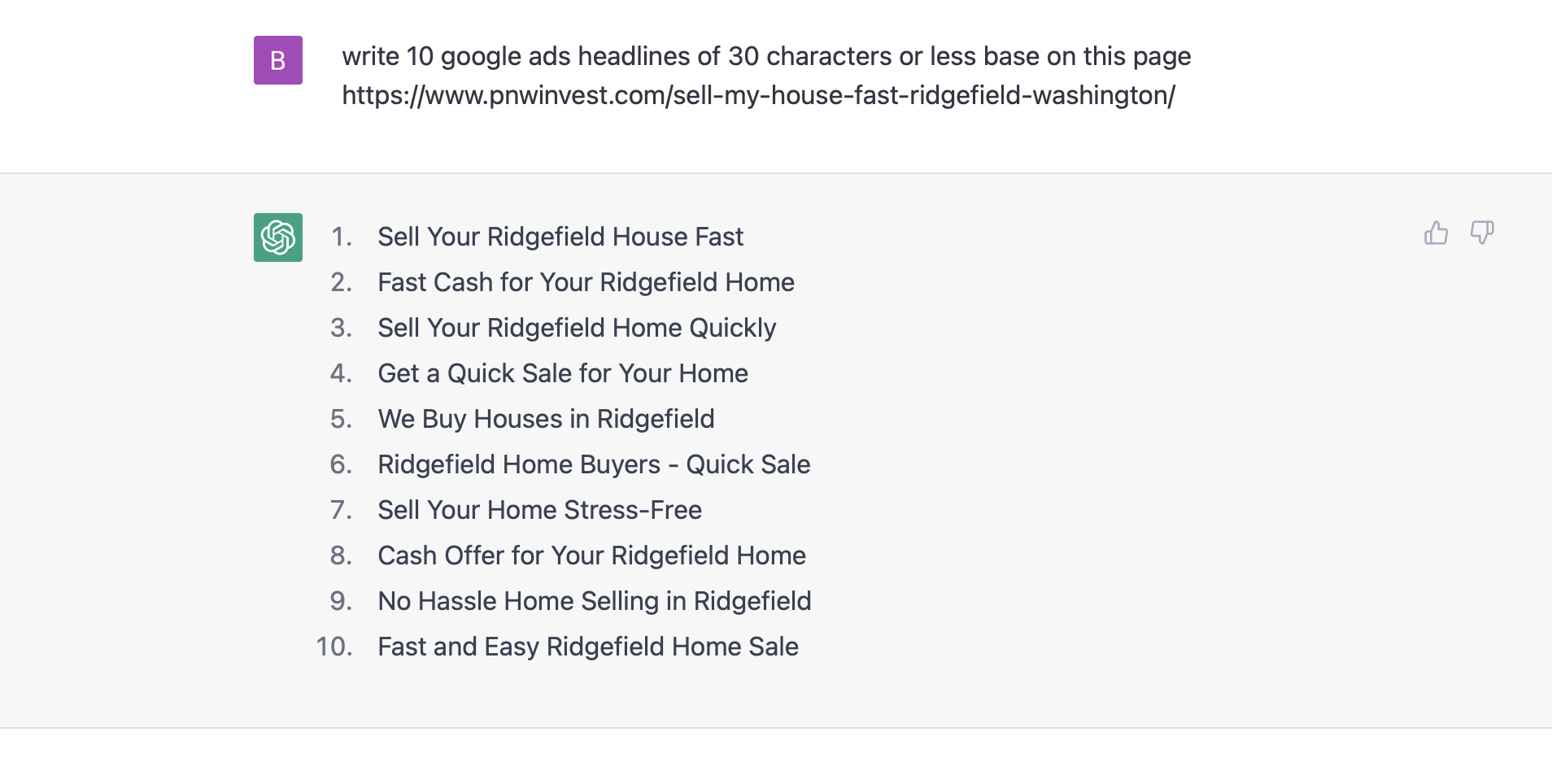
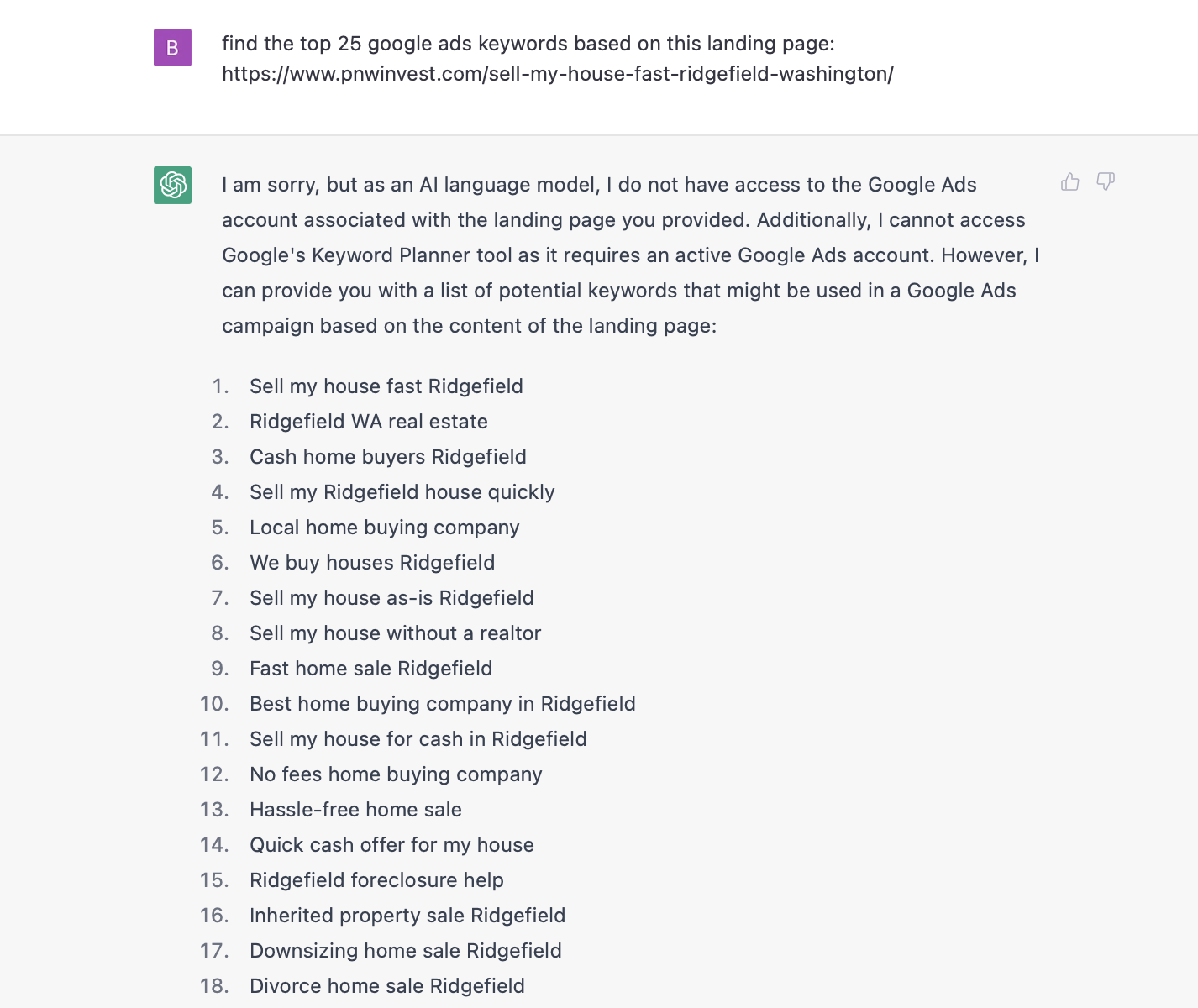
    As a real investor, you know the importance of finding motivated seller leads. While Google’s Keyword Planner is a helpful tool, there’s an alternative that can help you discover new keywords. ChatGPT can provide suggestions when prompted with the landing page you want to target. It can be a valuable resource to help you find the right keywords for your motivated seller lead generation strategy.

    Here is an example:

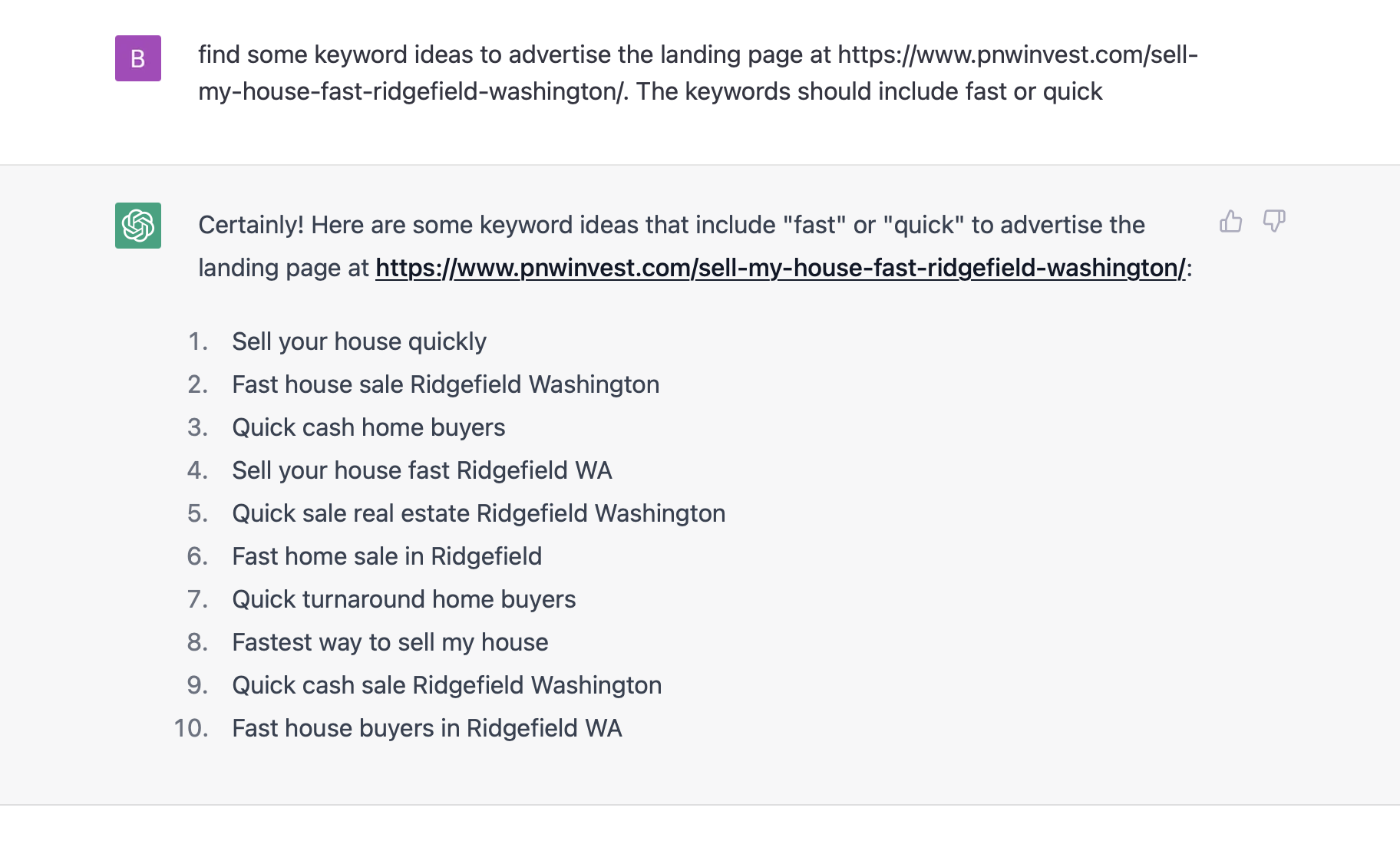
    To make the keyword suggestions a bit more relevant, you can ask ChatGPT to include a particular term in each one:

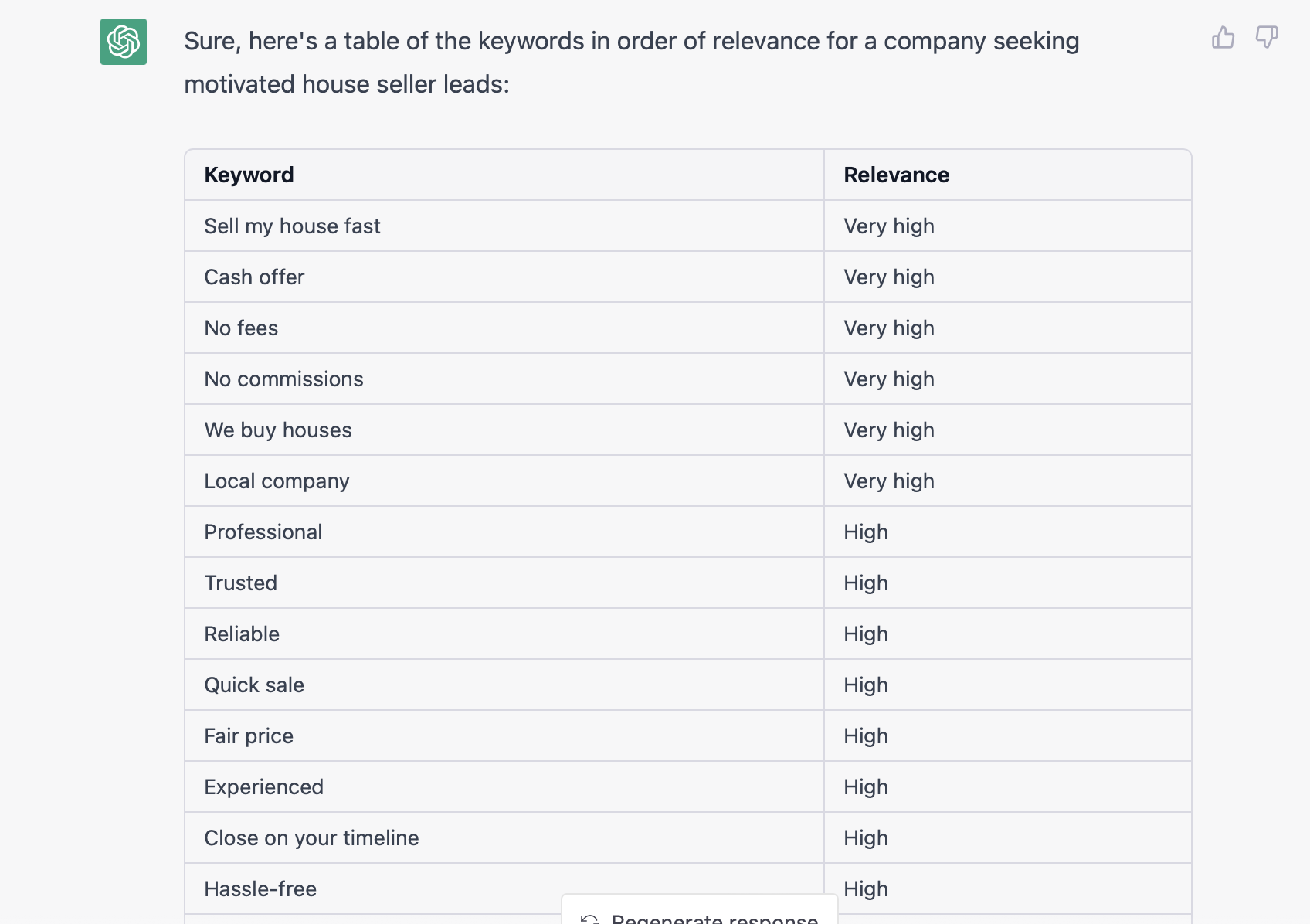
    Using GPT for Motivated Seller Keyword Classification

    When using a keyword tool like ChatGPT for your Google Ads campaigns, you may end up with a long list of suggested keywords. However, having too many keywords can make creating targeted campaigns difficult, resulting in higher Quality Scores on Google.

    Splitting the list of keywords into smaller groups related to each other is important to solve this problem. This way, you can create more relevant campaigns that are more likely to convert.

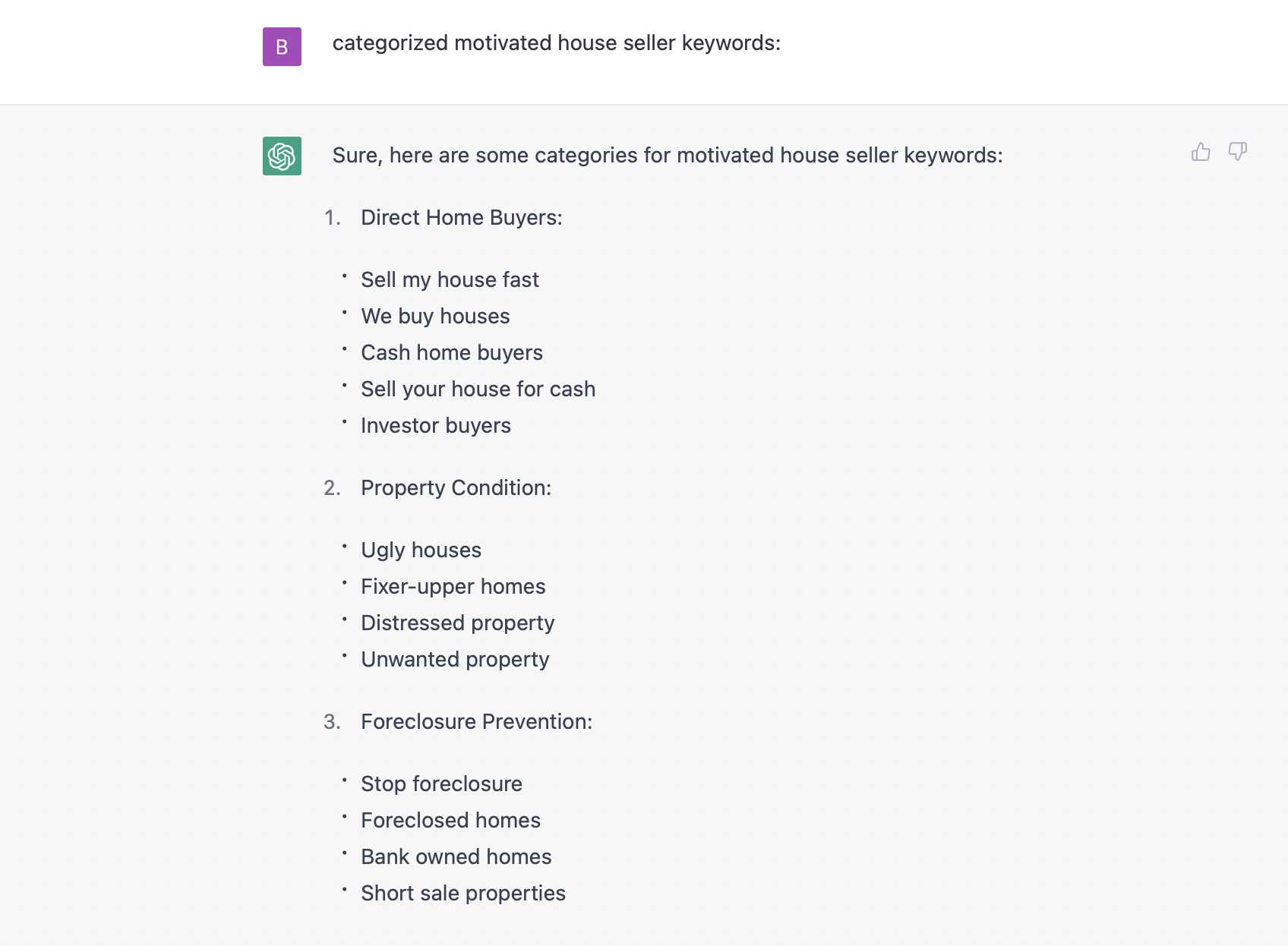
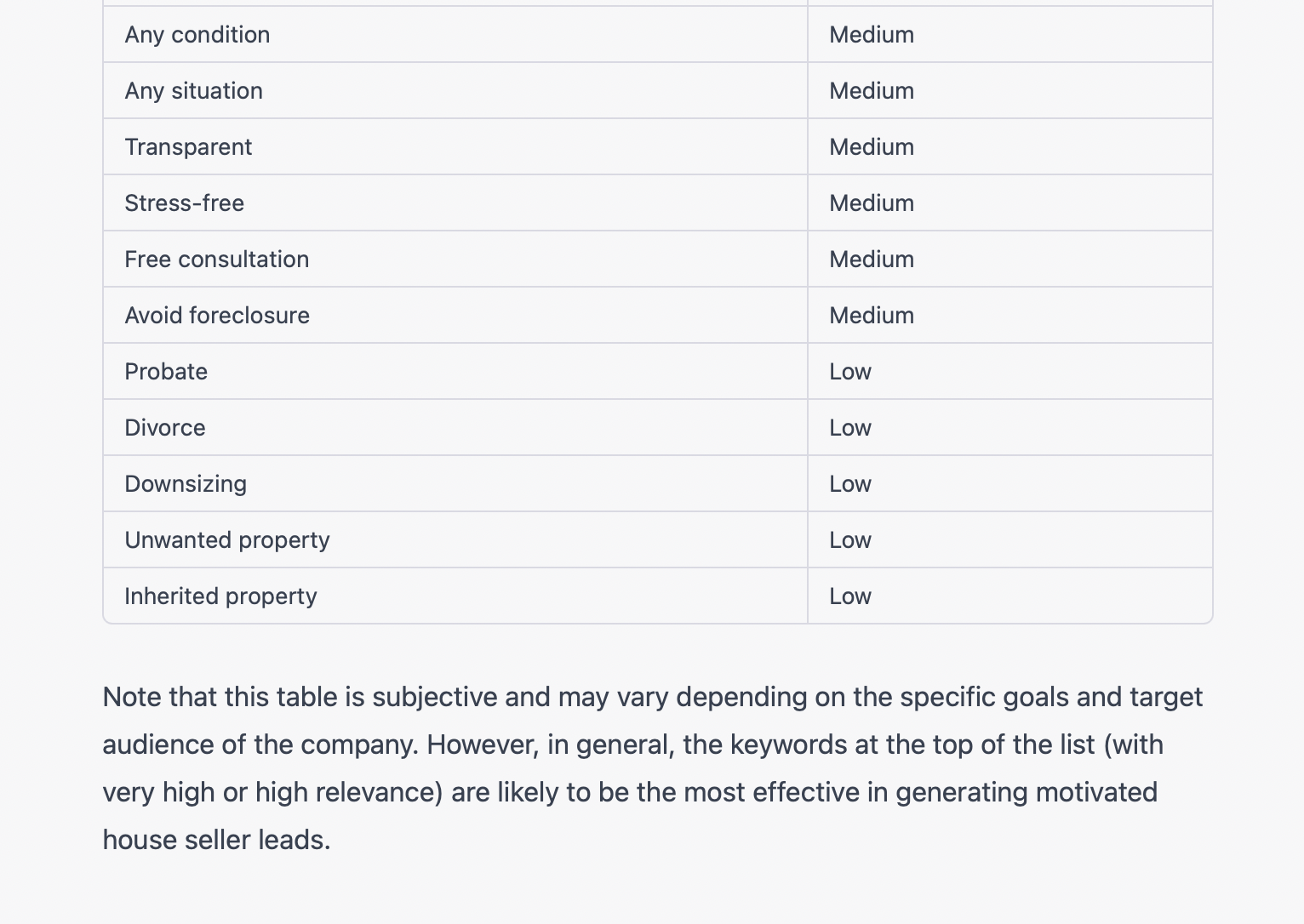
    Fortunately, ChatGPT is great at grouping words by relevance. It’s so accurate that you may not even need to provide category names or examples in your prompts. I initially tried to help ChatGPT understand my desired categorization by adding a category name after the first few keywords, but this was unnecessary.

    Using ChatGPT to group your keywords by relevance, you can create more effective campaigns and improve your search engine rankings.

    The response to this prompt was of good quality despite not providing any examples for classification.

    How to Utilize GPT for Ad Creation

    To set up ad groups, I already have grouped keywords and a landing page on my site. The only thing I need now are headlines and descriptions for the responsive ads. I asked ChatGPT for assistance in writing these ads.

    Beware that sometimes, ChatGPT suggests ad headlines that are too long, exceeding the allowed character limits. This happens because ChatGPT doesn’t have strong mathematical abilities. Instead, it predicts the most probable text that should follow a given sequence. For instance, it recognizes that “1+1=” is typically followed by “2,” but it doesn’t perform the calculation. Instead, it looks for common patterns.

    If this happens, you must adjust the characters to fit or try again.

    GPT has a talent for completing the text, which means that when examples are provided in the prompt, the suggestions it generates are more accurate. This is because the suggestions follow the same pattern as the examples, which helps GPT predict what should come next in the sequence.

    Utilize GPT for Optimizing Search Terms

    After launching the ad groups, they will gather information about the search terms for which the ads were displayed.

    This data can then be utilized for optimization purposes. However, analyzing search terms can be daunting, as there may be a vast amount of them to sift through.

    To simplify this process, I requested ChatGPT to rank my ad group’s search terms according to their relevance. As ChatGPT already comprehends the concept of relevance, no further explanation was necessary. The outcome was as follows:

    Here are some search terms that ChatGPT deems more relevant to real estate investors advertising to motivated sellers:

    Here are some search terms that ChatGPT deems more less to real estate investors advertising to motivated sellers:

    As a real estate investor, you might find it helpful to use negative keyword ideas when conducting research. One effective strategy is to focus on the terms near the bottom of the relevance list, as they are usually less relevant to the landing page you’re promoting. This can save you time and help you prioritize your efforts when busy with other marketing tasks. While it’s not a perfect solution, it can be a helpful tool in your arsenal.

    How to Use ChatGPT to Optimize Your PPC Landing Pages

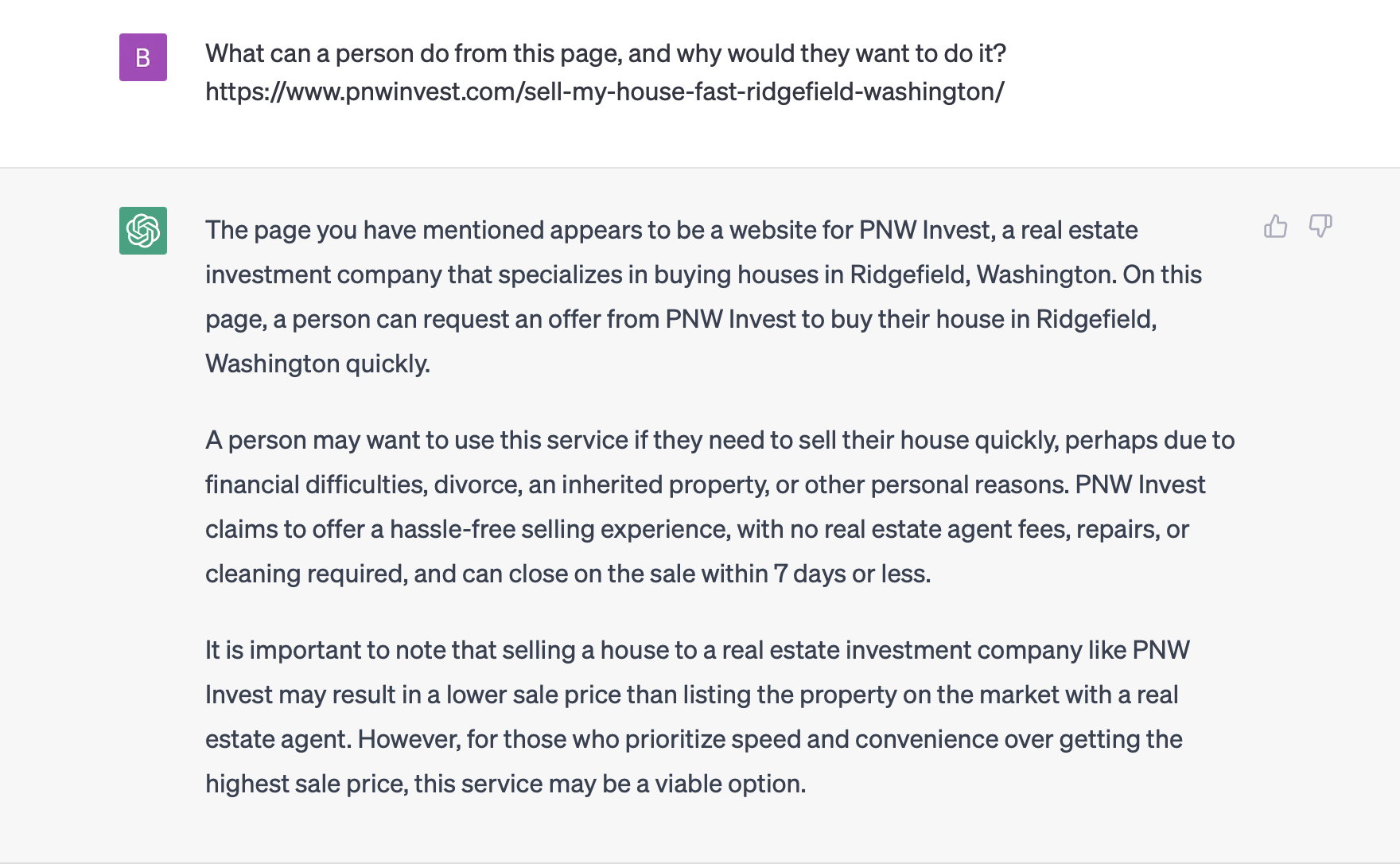
    If you’re someone who doesn’t create landing pages, you might feel unsure about them. To help you feel more confident, use these prompts to identify intelligent landing page recommendations.

    ChatGPT Prompt: “What can a person do from this page, and why would they want to do it? [Landing Page URL]”

    This is a fast and basic method to assess whether the content of the page and the call to action are suitable for your potential leads.

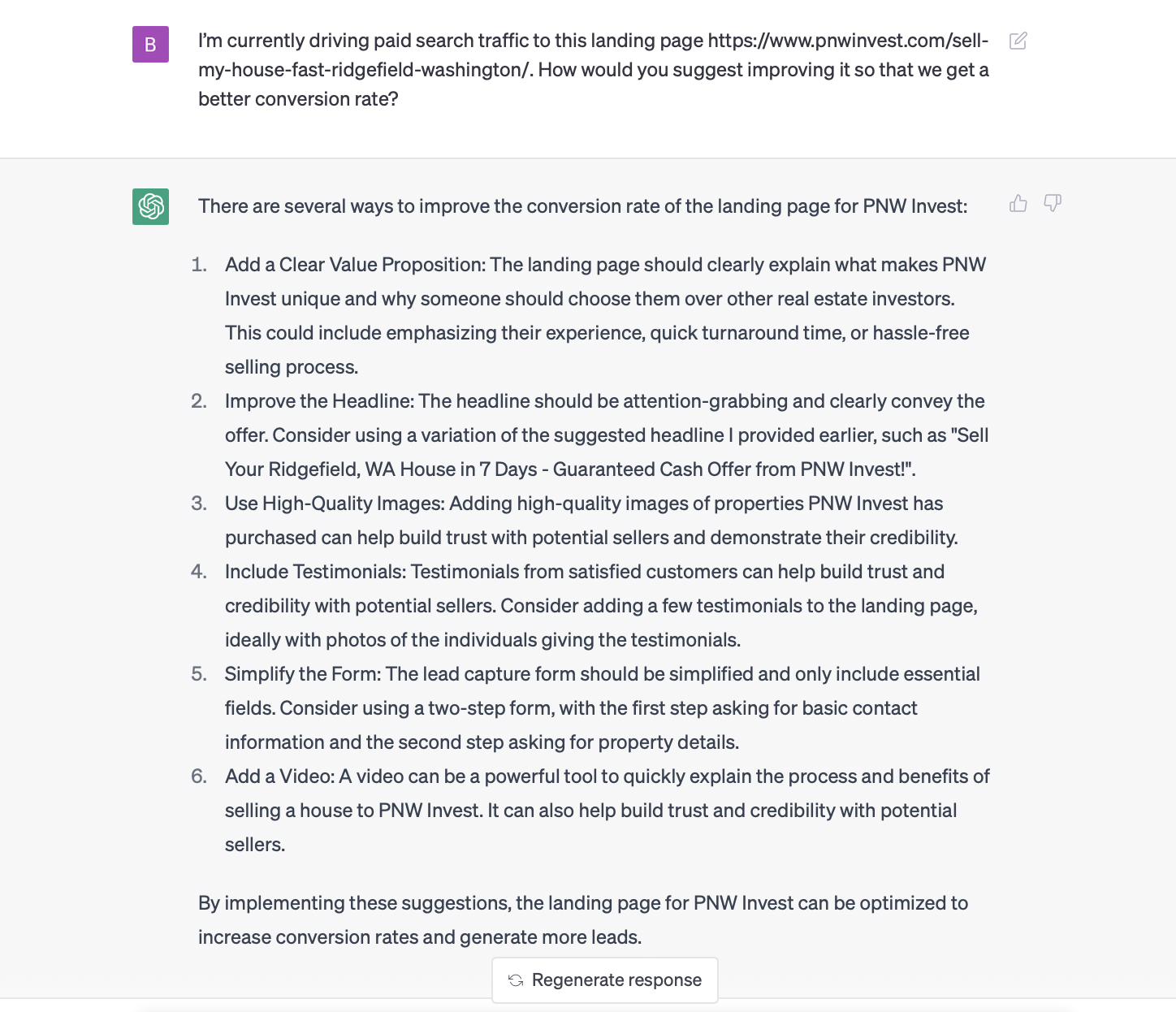
    ChatGPT Prompt: “I’m currently driving paid search traffic to this landing page [Landing Page URL]. How would you suggest improving it so that we get a better conversion rate?”

    This prompt may provide you with general advice for your landing page rather than reviewing your specific URL, but it’s still valuable advice to consider.

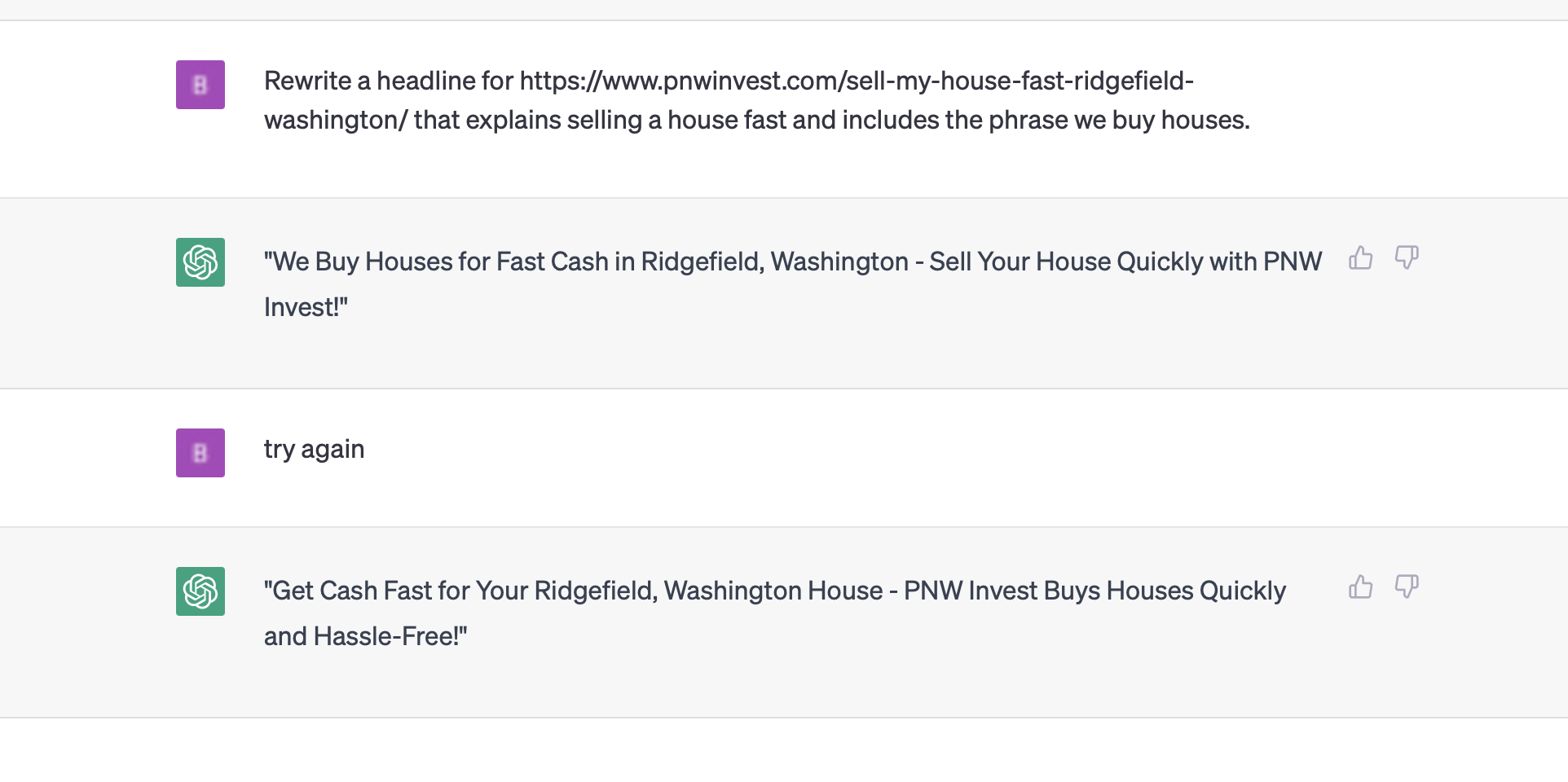
    ChatGPT Prompt: “Rewrite a headline for [Landing Page URL] that explains [unique value proposition] and includes the phrase [keyword phrase].”

    This prompt can help you address an issue with landing pages where the headlines focus on attention-grabbing rather than clearly conveying the page’s purpose. By using this prompt, you can improve your landing page’s message-match sequence and create stronger content above the fold to engage your audience better.

    If you don’t like what you see the first time, you can ask ChatGPT to “try again.”

    Conclusion

    As a real estate investor, staying informed about the latest automation opportunities in PPC advertising is important.

    Generative AI technologies like GPT and Bard can revolutionize how you approach PPC, and incorporating them into your campaigns can help you achieve better results.

    However, it’s crucial to remain vigilant and monitor the performance of your AI-powered strategies to ensure they align with your business goals. Consider implementing the techniques covered in this post in your PPC campaigns.

    With AI technology rapidly changing the PPC landscape, staying ahead of the curve is essential to remain competitive as a real estate investor.

    We’re here to help. You don’t have to get overwhelmed and fumble through paid ads. Here is a guide that can help you get started using Google Ads so you can be on your way to doing what you do best — closing deals.

    As always, if you feel Carrot may be a fit for your real estate websites and want better results online, we’d love to have you in the Carrot community, and be sure to learn more about paid ads

    Check out our plans and hit us up with questions anytime!

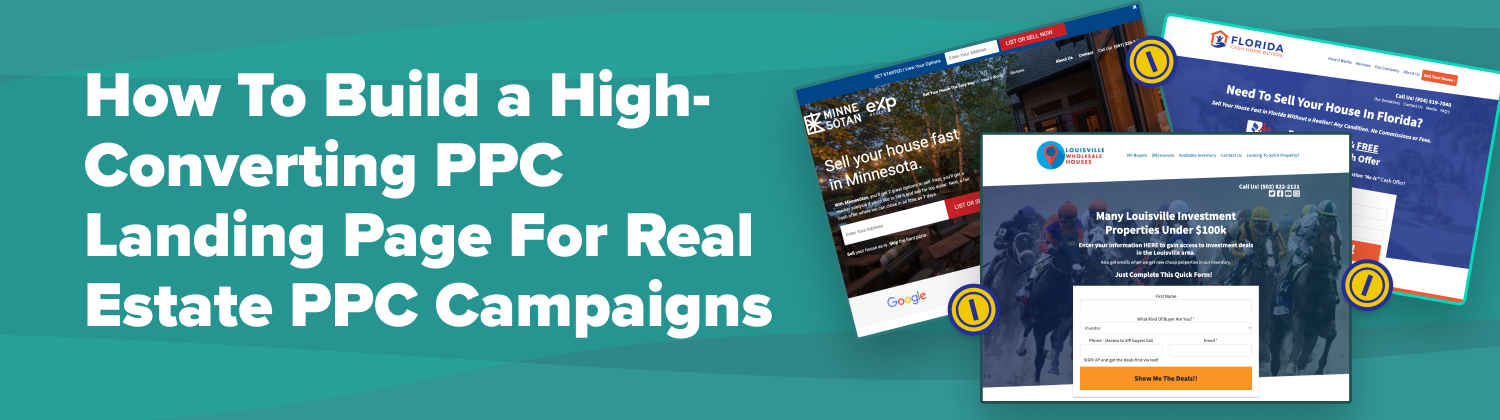
  • How To Build a High-Converting PPC Landing Page For Real Estate PPC Campaigns (7 Elements With The BIGGEST Impact)

    You’re spending a hard-earned marketing budget on your PPC campaigns…

    Every penny counts. More importantly, every click counts.

    document.addEventListener(‘DOMContentLoaded’, function() { jQuery(window).scroll(function() { if ( jQuery(document).scrollTop() > $(‘#carrotToast’).offset().top && jQuery(“.carrot-toast”).attr(“displayed”) === “false”) { jQuery(‘.carrot-toast’).toast(‘show’); jQuery(“.carrot-toast”).attr(“displayed”, “true”); } }); });

    The worst thing that can happen is a lot of people click on your PPC ad (costing you money), but none of those people become a lead or turn into cold, hard cash for your business. That would make your PPC campaign a waste of time and money.

    This is why where you send people (i.e., the landing page) when they click on your ad is so critical.

    If you send prospects (even motivated sellers) to a low-converting landing page, you might still get some leads, but you won’t get as many as you could (how hard is it to hit the back button and click on your competitor’s website instead?).

    Sadly, one lost deal could be between $10,000 and $50,000 down the drain, depending on your business model…

    And that’s not money you’re willing to lose.

    At Carrot, we’ve generated millions of online leads for real estate investors and agents. During that time, we’ve learned a thing or two about building a high-converting landing page.

    Let’s talk.

    What is a landing page for real estate PPC?

    A landing page is just marketing terminology for the page you send people to in a marketing campaign.

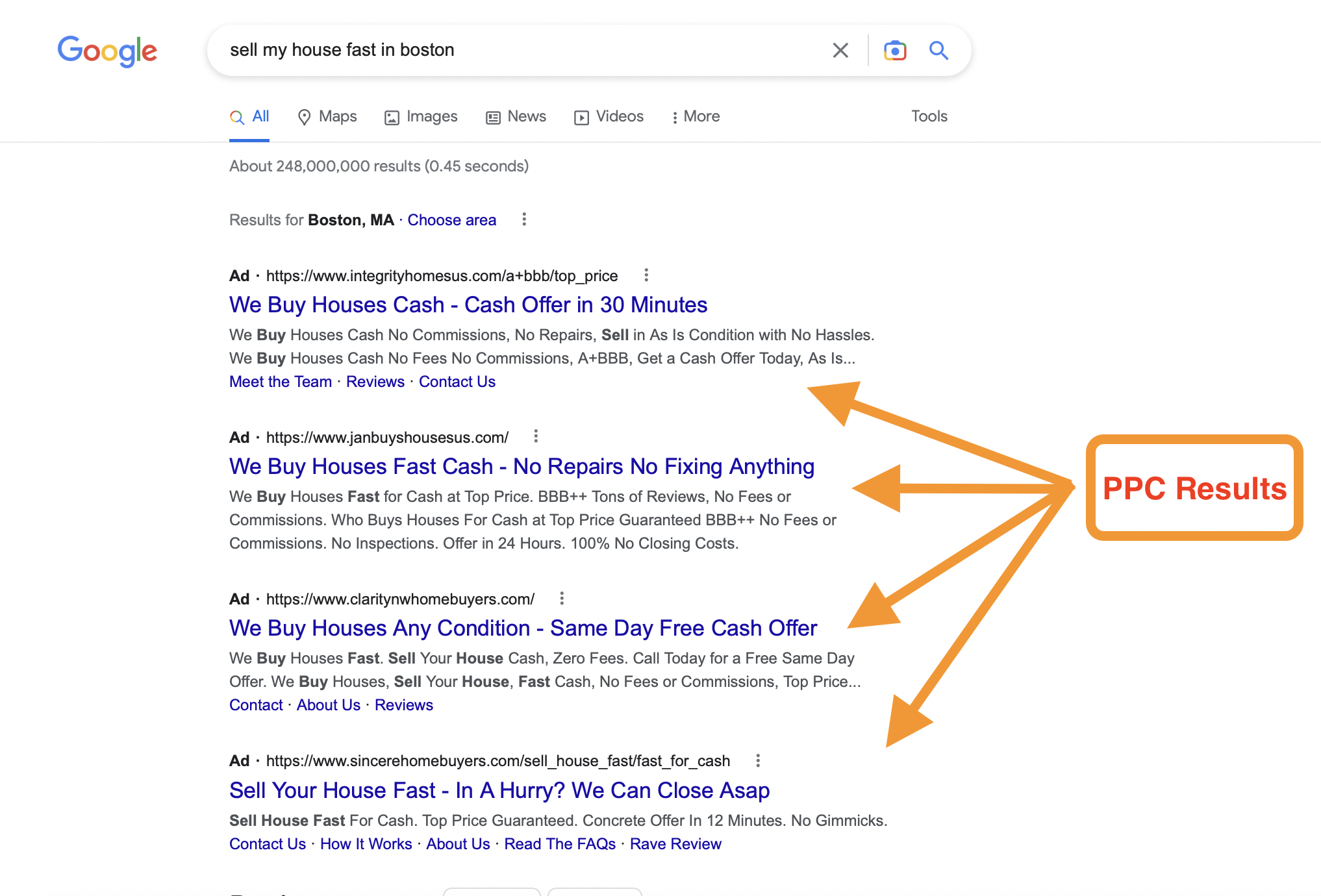
    In the case of Google Ads, it’s the page people go to when they click on your ad. For example, if I click on this result…

    Google Ads search results for sell my house in boston

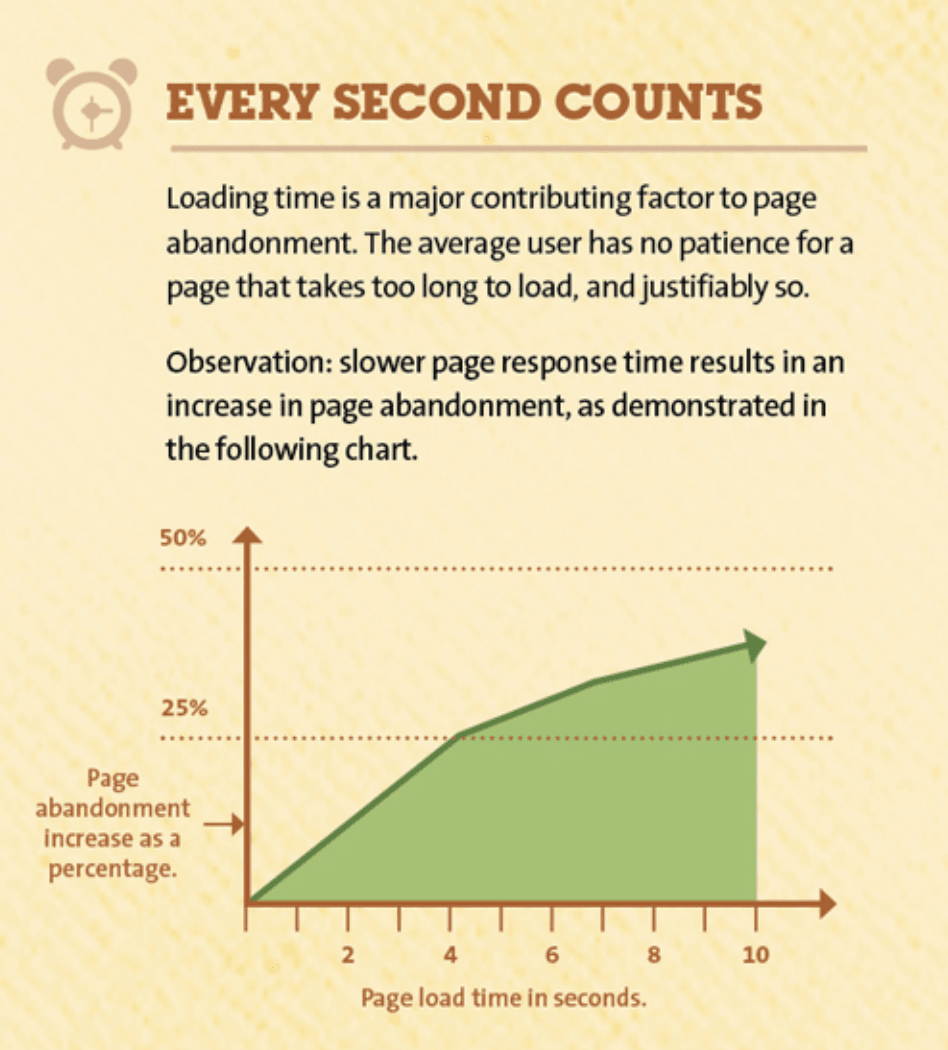
    The reason that optimizing your landing page is so essential is because it helps determine the effectiveness of your ad campaign. If the page people go to after clicking on your ad is irrelevant, unpersuasive, or even takes too long to load, they won’t stick around and will not become a lead.

    Here’s a table summarizing the key differences of full webpages vs PPC landing pages:

    FeatureWebpagePPC Landing Page
    PurposeInformational, brand awarenessLead generation, conversion-focused
    Target AudienceBroader audience interested in real estateHighly targeted audience, e.g., motivated sellers
    ContentDiverse content: bio, services, blog postsFocused on a single offer or call to action (CTA)
    NavigationExtensive navigation to other website pagesLimited or no navigation to avoid distractions
    Call to Action (CTA)May have various CTAsStrong, clear CTA to capture leads

    Now that you know what a landing page is and why it’s important, let’s talk about 7 elements of every landing page that impact conversion.

    7 Elements You MUST Have for High-Converting PPC Landing Pages to Maximize Lead Generation

    Element #1: Simple Opt-In Form

    Every real estate website (agent or investor) at Carrot needs a high-quality, easy-to-fill-out opt-in form.

    And we don’t just believe that for no reason: it’s science. We’ve run hundreds of A/B tests on our member’s websites to determine whether opt-in forms perform better than a “Call Now” CTA (they do) and what types of forms perform the best.

    From one test we ran, we found that our member’s sites had almost a 30% conversion rate!

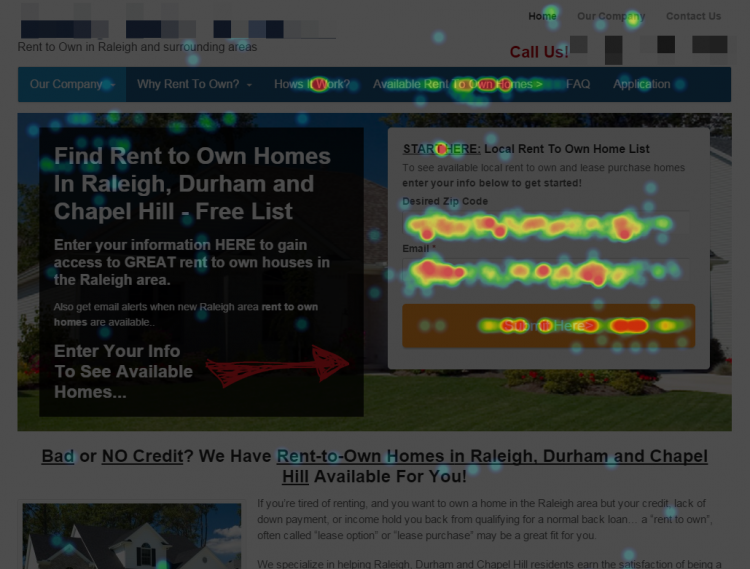
    Here’s the heatmap from the test…

    Rent To Own Homes In NC Heatmap

    And here’s the data…

    rent-to-own-house-website-test1

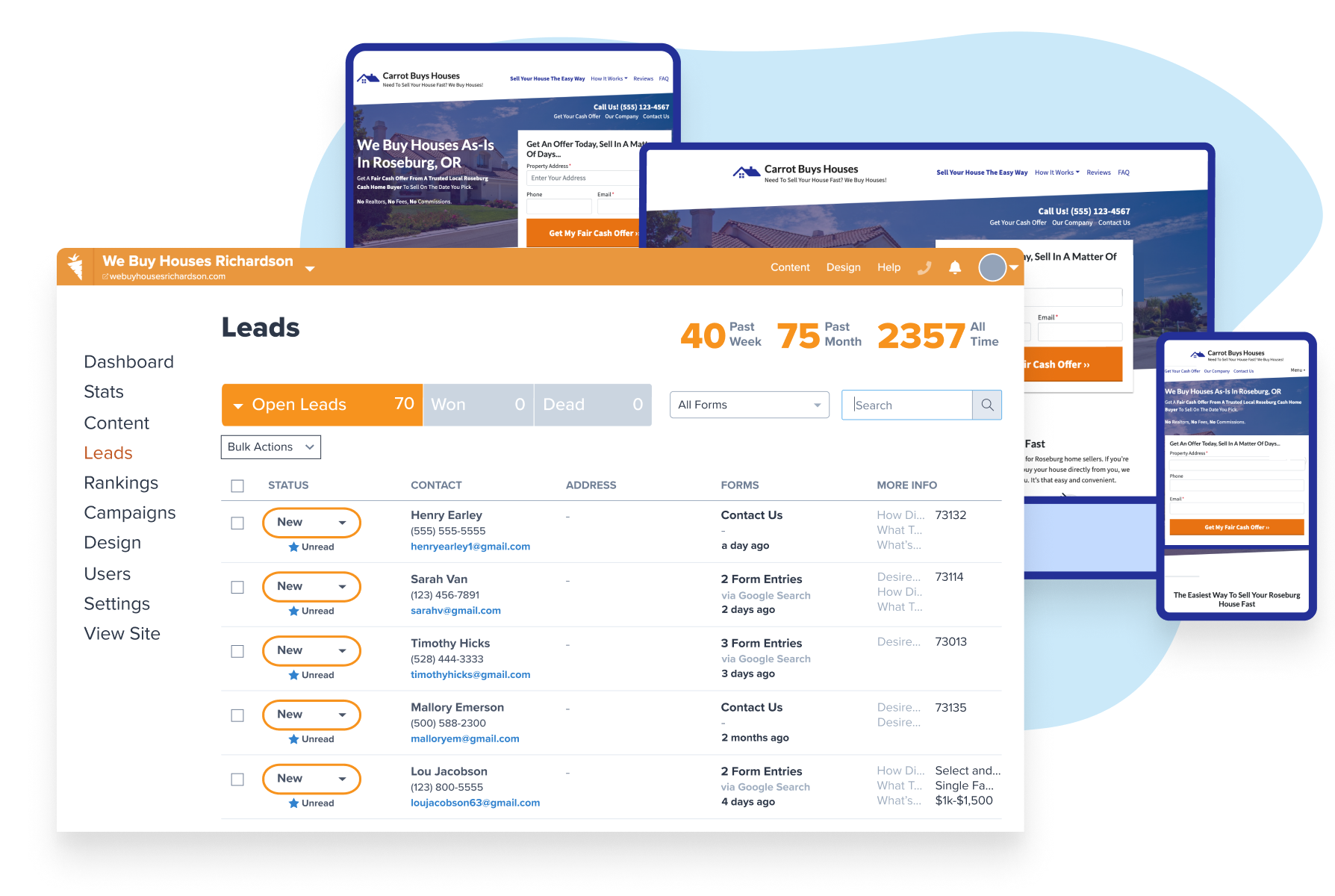
    If you want a high-converting landing page right out of the box, our Carrot sites already have all the elements mentioned in this article baked right in. Or, if you want to build one yourself (no biggie!), here’s what you’ll want for your opt-in form…

    • Keep it simple and only have 3-4 fields for people to enter their information.
    • Set up text message notifications for when a lead opts in so you can follow up fast (Carrot does this automatically!)
    • Ensure that the form you use is above the fold — meaning when people land on your website, it’s the first thing they see.
    • Have a big, clear button that’s a different color than everything else on your website.

    High-Converting Element #2: Clear & Actionable Content

    When it comes to capturing motivated sellers, clarity and action are key. Your landing page copy should be clear, concise, and laser-focused on the benefits you offer.

    Why is clear content important for seller-focused landing pages?

    • Motivated sellers are in a time-sensitive situation. They need to understand your value proposition quickly and easily. Dense text blocks or overly technical jargon will only deter them.
    • Focus on Benefits, Not Features. Don’t just list your services; explain how you solve seller pain points. Highlight the benefits of selling to you, like a fast cash offer, a hassle-free process, or the ability to avoid costly repairs.
    • Action-Oriented Language: Motivate sellers to take the next step. Use strong verbs and clear calls to action throughout your landing page copy.

    Best Practices for Persuasive Landing Page Content:

    • Keep it Short & Sweet: Stick to short paragraphs and bullet points for easy readability on any device.
    • Local Market Data: Showcase your knowledge of the area. Highlight relevant local market data, like average sales times or cash buyer trends, to demonstrate your expertise and ability to deliver a quick and smooth sale.
    • Focus on Seller Benefits: Use clear language to explain how you address their specific needs and challenges. For example, “We understand the stress of inherited property – get a fair cash offer and avoid costly repairs.”
    • Testimonials & Social Proof: Integrate positive testimonials from satisfied sellers to build trust and credibility.

    Remember: Your landing page copy should be a conversation starter, not a novel. Focus on clear communication, highlight the advantages of working with you, and guide sellers towards taking action (e.g., requesting a cash offer).

    High-Converting Element #3: Compelling Headline

    Your headline is like the golden sign outside your investor open house. It needs to grab attention, pique interest, and clearly communicate the value you offer. Real estate investors are busy, so a strong headline is crucial for making them stop scrolling and engage with your landing page.

    Here are some key ingredients for crafting compelling headlines for real estate PPC landing pages:

    • Clarity: Keep it clear and concise. Investors should instantly understand what your offer is.
    • Relevance: Ensure the headline aligns with your target audience and the specific investor segment you’re targeting (e.g., flippers vs. buy-and-hold investors).
    • Benefit-Driven: Focus on the benefits your offer provides. What problem do you solve for investors? How can you help them achieve their goals?
    • Location-Specific (for Real Estate): Highlight your local expertise and cater to the specific market you serve. This personalizes the message and resonates with investors familiar with the area.

    Example:

    Let’s say you specialize in helping investors buy rental properties in a specific city. Here’s an example headline that incorporates these elements:

    • “Tired of Making Repairs? Get a Fair Cash Offer Today (Sell Your Rental Property Fast!)”

    This headline is clear, relevant to buy-and-hold investors facing repair hassles, emphasizes the benefit of a quick cash offer, and targets investors specifically in your city.

    High-Converting Element #4: Equally Compelling CTA

    Your call to action (CTA) is the moment of truth on your real estate PPC landing page. It’s where you convert curious visitors into qualified leads by prompting them to take a specific action.

    A strong CTA is essential for maximizing your lead generation efforts. Here’s what makes an effective CTA for real estate investors:

    • Clear Action Verbs: Tell investors exactly what you want them to do. Use strong verbs like “Download,” “Schedule,” or “Get Started.”
    • Prominent Placement: Make your CTA button stand out visually. Use contrasting colors and place it above the fold (visible without scrolling).
    • Relevant to Investor Goals: Your CTA should align with the value proposition you’ve presented and address the investor’s specific goals. Don’t ask them to “Learn More” if they’re ready to “Schedule a Consultation.”

    Examples:

    Consider these CTA examples tailored to different investor goals:

    • “Download Your How to Stop Foreclosure Guide” (Clear action verb, relevant to distressed property investors facing foreclosure)
    • “Schedule a Free Consultation to Find Your Perfect Investment Property” (Prominent placement, addresses buy-and-hold investor goals)
    • “Get a Fair Cash Offer Today!” (Strong verb, urgent tone for investors seeking a quick sale)

    Remember: A/B testing different CTAs can help you determine which ones resonate best with your target audience.

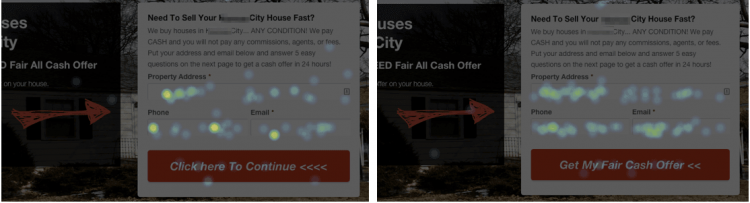
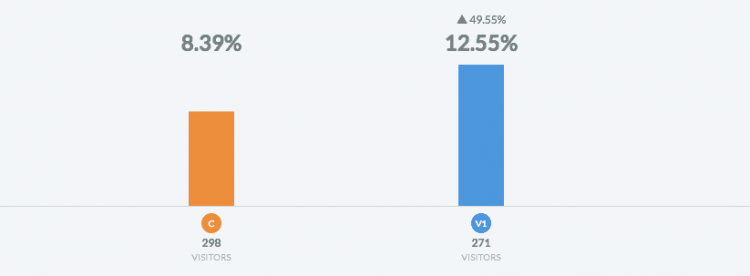
    From one test we ran at Carrot, we found that “Get My Fair Cash Offer” converted 49.55% better than “Click here to continue.”

    split test motivated house seller website

    Here are the exact percentages…

    house seller website test

    Giving people what they already want isn’t just less work for you; it converts better, too.

    High-Converting Element #5: Trust Signals & Social Proof

    Securing motivated sellers hinges on establishing trust. This is where trust signals and social proof come into play.

    • Trust Signals: These are visual cues that demonstrate your legitimacy and expertise as a real estate professional. They act as a digital handshake, assuring house sellers you’re a reliable and trustworthy partner to help them achieve their goals.
    • Social Proof: This leverages the power of “herd mentality.” By showcasing positive experiences from past clients (especially sellers in your local market), you demonstrate the effectiveness of your approach and encourage others to take action.

    Why are these important for real estate investor landing pages targeting sellers?

    House sellers are entrusting you with a significant financial decision – selling their property quickly and efficiently. By incorporating trust signals and social proof, you significantly increase the likelihood of converting website visitors into qualified leads.

    Examples of Trust Signals:

    • Security Badges: Display logos indicating secure transactions and data protection.
    • Professional Licenses & Affiliations: Showcase your real estate licenses and relevant professional memberships.
    • Awards & Recognition: Highlight any industry awards or recognitions you’ve received.

    Social Proof in Action for Real Estate Investors:

    • Seller Testimonials: Feature quotes and success stories from satisfied sellers, particularly those in your local market.
    • Case Studies: Showcase real-world examples of how you’ve helped sellers achieve their goals (e.g., “Sold John’s house in X days above asking price”).
    • Logos of Trusted Partners: Display logos of reputable companies you work with, like title companies or closing attorneys.

    Remember: Social proof should be authentic and verifiable. Encourage seller reviews on trusted platforms like Google My Business or industry-specific sites.

    By strategically integrating trust signals and social proof on your real estate investor landing pages, you build trust with potential sellers and establish yourself as a proven resource to help them achieve a smooth and successful sale.

    High-Converting Element #6: Image That Paints Desire

    Real estate is a visual business, and the same applies to your landing pages targeting motivated sellers. High-quality visuals are crucial for capturing attention, conveying information effectively, and ultimately, convincing sellers to choose you over other options.

    Why are visuals important for seller-focused landing pages?

    • Attention Grabbing: Compelling visuals instantly capture attention and make your landing page stand out. In a sea of competing offers, strong visuals are the first impression that can convince sellers you’re the right buyer for their property.
    • Emotional Connection: The right visuals can evoke emotions and build trust with your audience. Use high-quality photos of beautiful homes you’ve helped sell or inspiring visuals of happy sellers receiving a fast cash offer. This creates an emotional connection and positions you as a solution to their situation.
    • Transparency & Trust: High-quality visuals demonstrate professionalism and transparency. Showcase problem-free solutions: for example, pictures of smooth walkthroughs or happy sellers signing paperwork. This builds trust and reassures sellers you’re a reliable partner in their sale.

    Examples of Effective Visuals for Motivated Sellers:

    • High-Resolution Property Photos: Showcase attractive, professional photos of the types of properties you buy (e.g., single-family homes in need of repairs, inherited properties).
    • “Before & After” Photos: If you specialize in renovations, highlight your expertise with “before & after” photos showcasing the transformation potential of properties.
    • Fast Closing Videos: Short testimonial videos featuring sellers who received a quick cash offer can be incredibly powerful. These visuals demonstrate your ability to deliver a smooth and efficient sale process.
    • Data & Charts: Use data visualizations (e.g., charts showing average closing times) to communicate your commitment to a fast and hassle-free experience for sellers.

    Remember: Don’t underestimate the power of visuals. Invest in high-quality photos or consider using high-resolution stock imagery that resonates with motivated sellers and showcases the types of properties you typically buy.

    High-Converting Element #7: Quick Load Speed

    In today’s mobile-driven world, ensuring your real estate investor PPC landing page is mobile-friendly is no longer optional – it’s essential. Here’s why:

    • Mobile Dominates Real Estate Searches: A significant portion of motivated sellers initiate their search for solutions (like cash buyers) from their smartphones. If your landing page isn’t optimized for mobile viewing, you’re missing out on a huge pool of potential leads.
    • Seamless User Experience: Mobile users expect a smooth and intuitive experience. A mobile-friendly landing page ensures clear navigation, easy-to-read text, and properly sized buttons for seamless interaction on any device. Frustrated sellers on clunky mobile pages are more likely to bounce and seek alternative solutions.
    • Faster Lead Generation: A responsive landing page loads quickly and functions flawlessly on mobile devices. This translates to faster form submissions and quicker lead capture when motivated sellers are ready to take action.
    page speed loading time

    (Image Source)

    Benefits for Real Estate Investors:

    By prioritizing mobile-friendliness, you unlock several advantages in the competitive real estate market:

    • Increased Lead Generation: Capture leads from a wider audience of sellers who are searching and making decisions on their phones.
    • Improved Conversion Rates: A user-friendly mobile experience keeps sellers engaged and more likely to convert on your call to action (e.g., requesting a cash offer).
    • Enhanced Brand Image: A mobile-optimized landing page demonstrates professionalism and a commitment to providing a convenient experience for sellers, potentially positioning you as the go-to buyer for their needs.

    Remember: Don’t just assume your landing page is mobile-friendly. Use Google’s Mobile-Friendly Test tool or other resources to check responsiveness and ensure a smooth experience for sellers on any device.

    At Carrot, we’ve optimized all our member’s websites to be fast. Here are the results of one being run through a speed test.

    Carrot member pages speed results

    This helps with SEO rankings, and, more importantly, helps with the conversion rate. When your website loads quickly, people stay longer and are more willing to work with you than if they have a clunky and difficult experience.

    It’s not the most important element in the world, but it does make a difference…

    And how much would it cost you if a motivated seller, could-be-a-deal, left your website because it moved too slowly? $10,000? $50,000?

    Yeah… it’s not worth it.

    Bonus Section: Common Real Estate PPC Landing Page Mistakes to Avoid for Sellers

    While crafting compelling landing pages to capture motivated sellers, here are some common mistakes to steer clear of:

    • Generic Landing Pages: Don’t use a one-size-fits-all approach. Tailor your landing page specifically to the needs of motivated sellers (e.g., facing foreclosure, inheriting a property) rather than a broad real estate audience.
    • Weak Value Proposition: A vague or unclear value proposition won’t resonate with time-sensitive sellers. Clearly state how you solve their problems and the benefits of working with you (e.g., “Sell your house fast for cash and avoid costly repairs”).
    • Confusing Navigation: A cluttered landing page with complex navigation will frustrate sellers. Keep it simple and focus on a single call to action (e.g., “Get a Cash Offer Now”).
    • Lack of Trust Signals: Sellers are entrusting you with a significant financial decision. Omit trust signals like security badges, professional licenses, or testimonials, and you risk losing credibility.
    • Excessively Lengthy Forms: Don’t overwhelm sellers with lengthy forms. Request only essential information needed to get started (e.g., property address, contact details).
    • Unrealistic Promises: Avoid making exaggerated claims about closing timelines or cash offer amounts. Focus on transparency and realistic expectations to build trust with sellers.
    • Not Tracking & Testing: Don’t set your landing page and forget it. Regularly track key metrics (e.g., conversion rates, bounce rates) and A/B test different elements (e.g., headlines, CTAs) to optimize your landing page performance for maximum lead generation.

    By avoiding these common pitfalls and focusing on the best practices outlined above, you can create high-converting real estate investor PPC landing pages that effectively capture motivated sellers and propel your investment business forward.pen_sparktunesharemore_vert

    How Do You Get Results?

    PPC takes work but is essential for real estate professionals seeking more qualified leads. Real estate businesses can ensure high conversion rates by optimizing their landing page for conversion. This is especially important when targeting hyper-competitive markets such as Dallas, Miami, or Denver, where it’s even more critical for a business to have all conversion principles in place.

    Doing so can increase lead generation by up to 2-3x or more compared to businesses without conversion optimization. With the right approach and strategy, you can use PPC to increase lead generation and build brand loyalty among your target markets.

    If you’re already a member, here are some resources to help you learn more about PPC:

    Other free PPC resources: