Brian started his journey as a coach and a middle-school teacher. Today, he’s a top real estate investor in Dallas, Texas who’s been making well above $100,000 per month from inbound marketing (SEO and PPC) and the Carrot system.
Brian Rockwell with Sell Your House DFW, a Carrot member for about 14 months as of the time he hopped on a call with us, has been crushing the Dallas/Fort Worth market online with his real estate investing/wholesaling business.
Here is a recent text message he sent directly to Carrot’s CEO, Trevor Mauch…
“6 wholesale deals this month if all goes through. $124k… 4 ppc, 1 organic, 1 Facebook retargeting. 1 has closed the other 5 are under contract with a buyer and the last one waiting on a buyer. Carrot system is still rockin’” – Brian Rockwell
Listen in or read his story as an investor, where his leads come from, and what his inbound marketing strategy is that has led to $100k of consistent deals per month.
In high school, a friend of Brian’s introduced him to his dad. Brian’s father owned a roofing company and a few other businesses he had founded in a grass-roots sort of way. In a word, he was an entrepreneur.
It was the first time Brian remembers being introduced to an entrepreneur of that caliber. Someone who really knew what they were doing understood how to manage money and grow a business.
Needless to say, Brian was fascinated.
And from that day forward, Brian wanted to be an entrepreneur.
As time went on, he became increasingly interested in the real estate investor niché, dreaming of the day that he’d make it big.
But, what he didn’t know at the time was that he’d have to wait 12 years until that happened.
As Brian graduated from school and joined the sect we all refer to as family life, the importance of supporting his wife and kids rose to the top of his priorities.
In an effort to do so, he became a track, football, and baseball coach and taught classes as well. In other words, he became a phenomenal generalist, something he wasn’t particularly passionate about.
I mean, of course, that he wasn’t passionate about being a generalist. The coaching and teaching he loved. He was able to inspire students and co-workers daily and encourage them to be the best version of themselves that he could possibly imagine.
Brian’s evenings, lunch breaks, and weekends, though, were filled with his dream of becoming a real estate investor and being financially free — something he wanted to do but was unsure of how to do. He would scour real estate investor resources.
Particularly, he fell in love with biggerpockets.com.
For 5 years, this was his life. He dreamt of being a real estate investor and studied what that could look like in his free time. But most of his time was taken up by teaching, coaching, and family.
Eventually, Brian’s wife got a job that was capable of supporting the family, and he was free to pursue his passion.
Listening to the 3LPD training that we offer here at Carrot, Brian learned about the importance of building credibility and personality with your website.
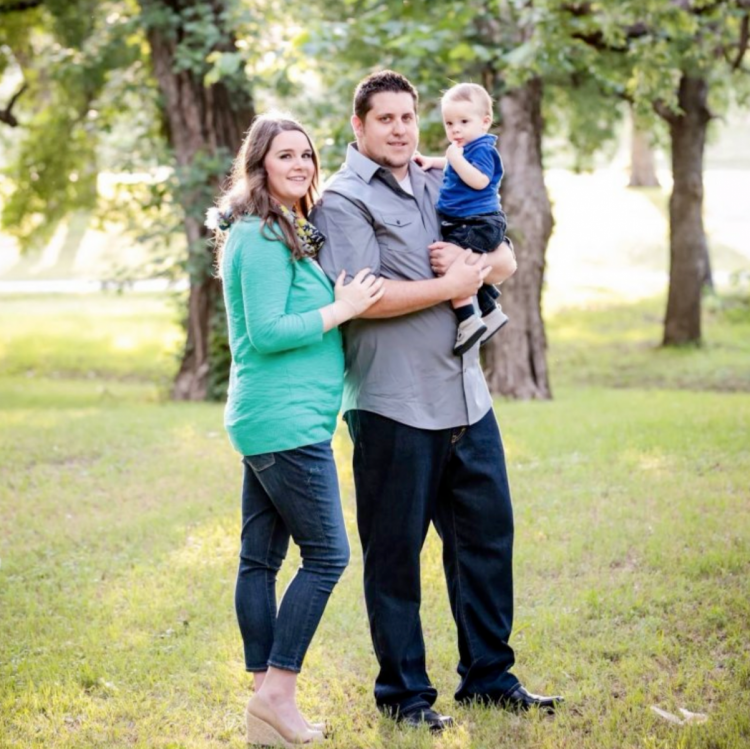
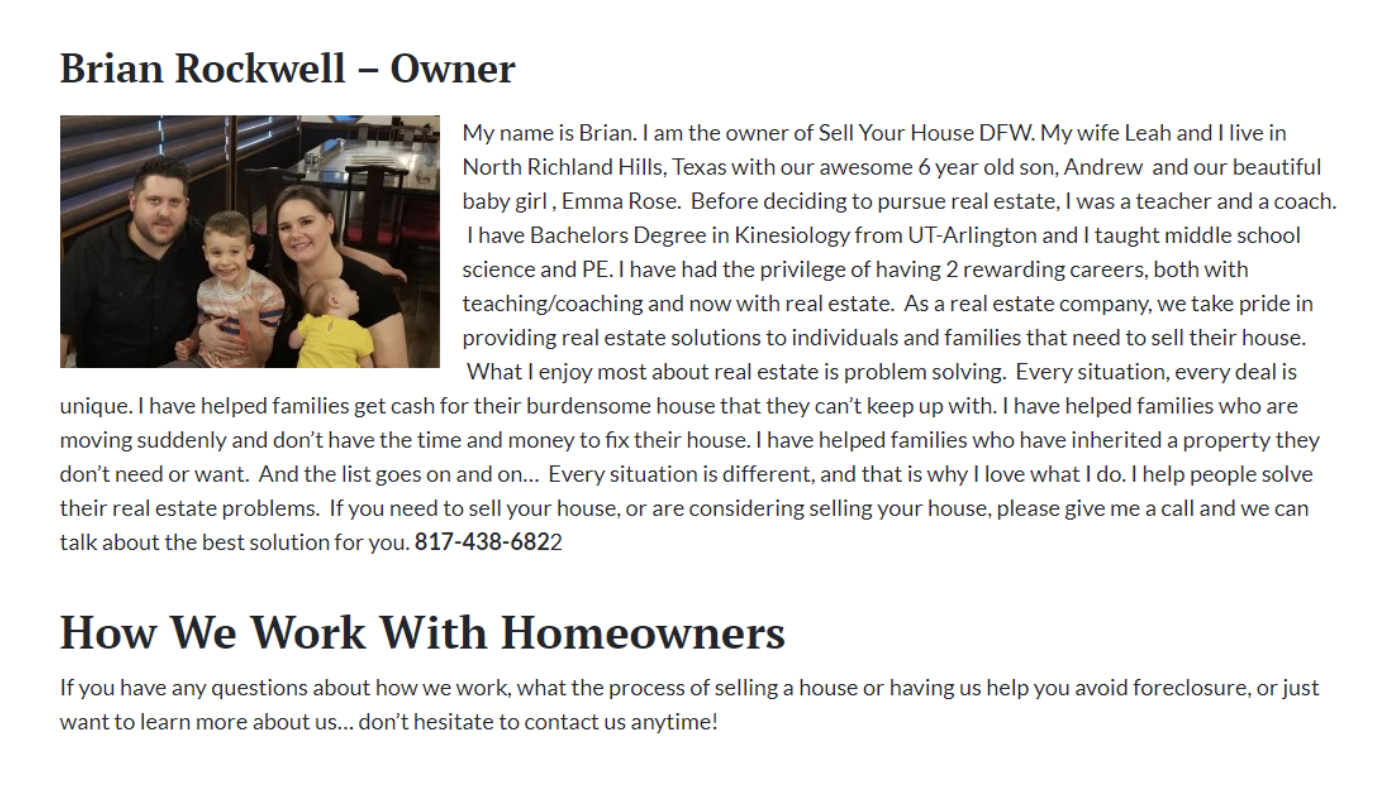
So, he took extra time to add a picture of his family on the “about” page.
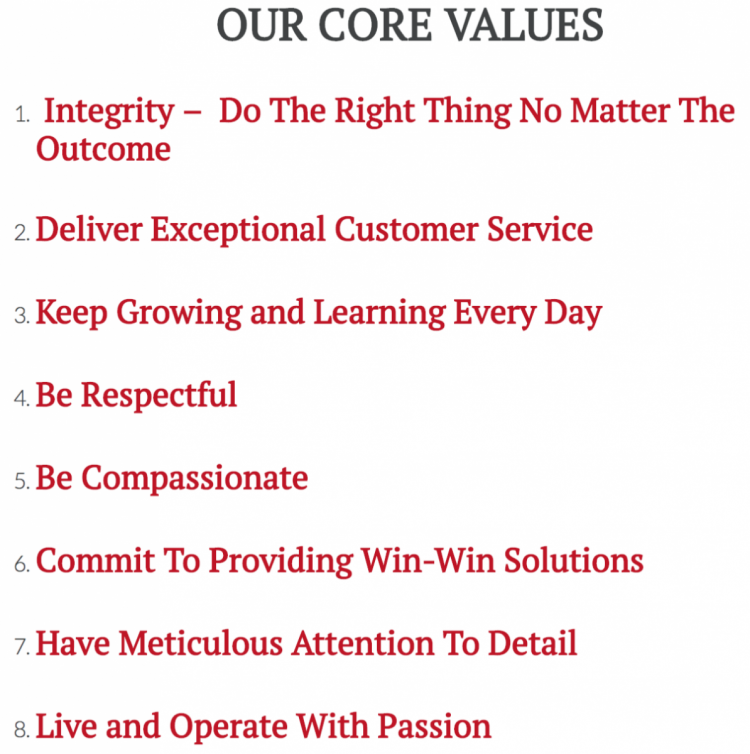
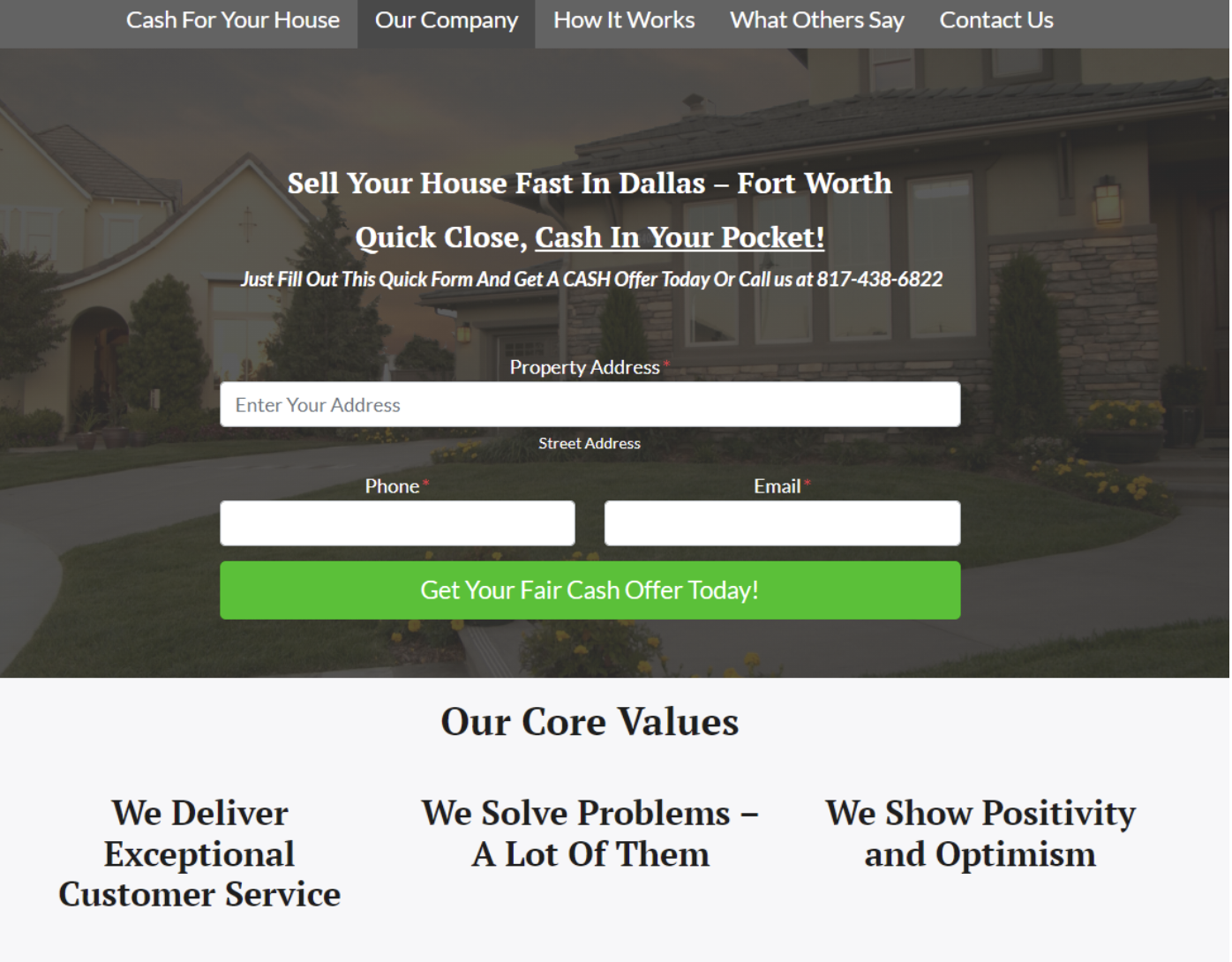
He even added a core values section to his website after researching other businesses’ core values and determining what he felt should define his business.
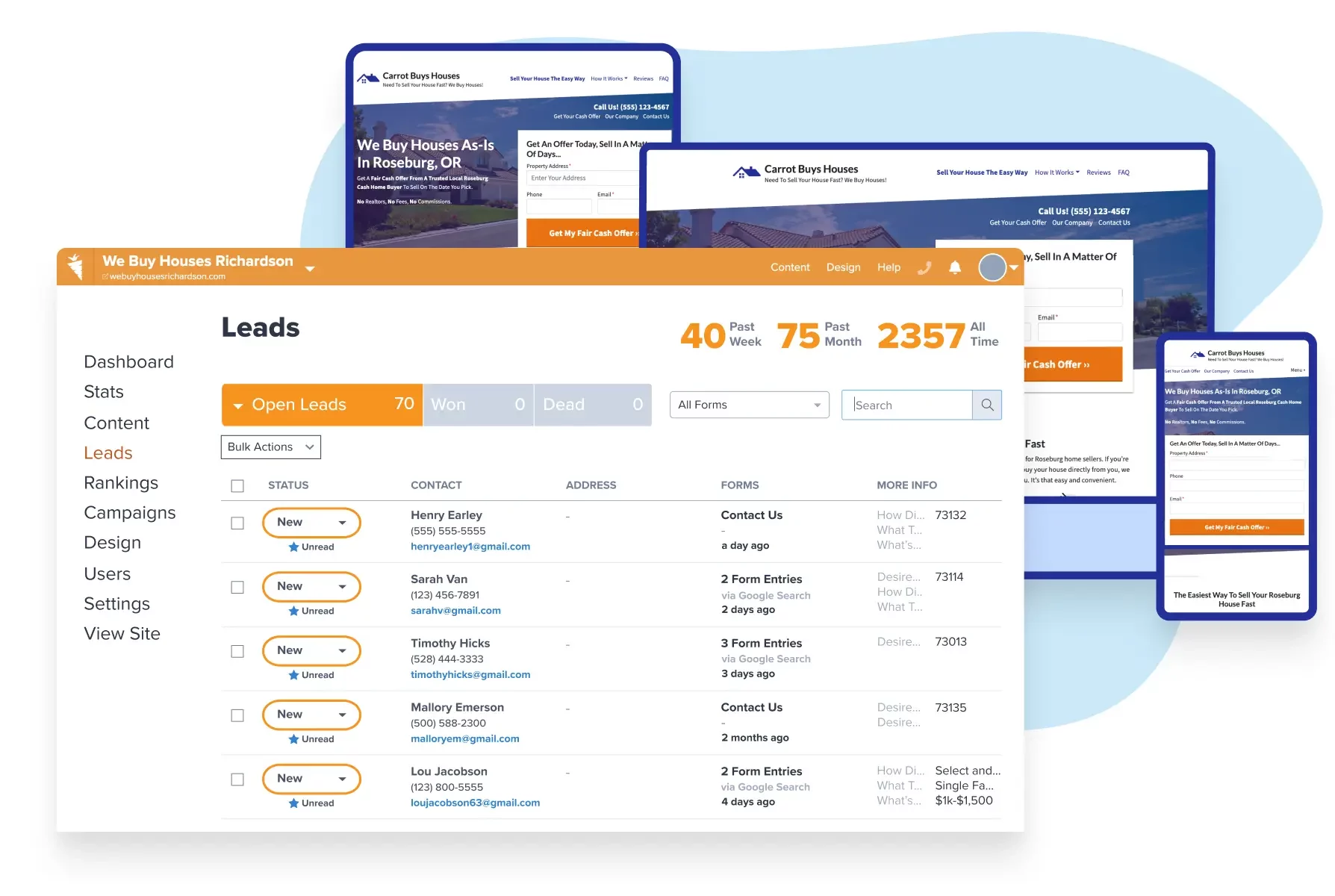
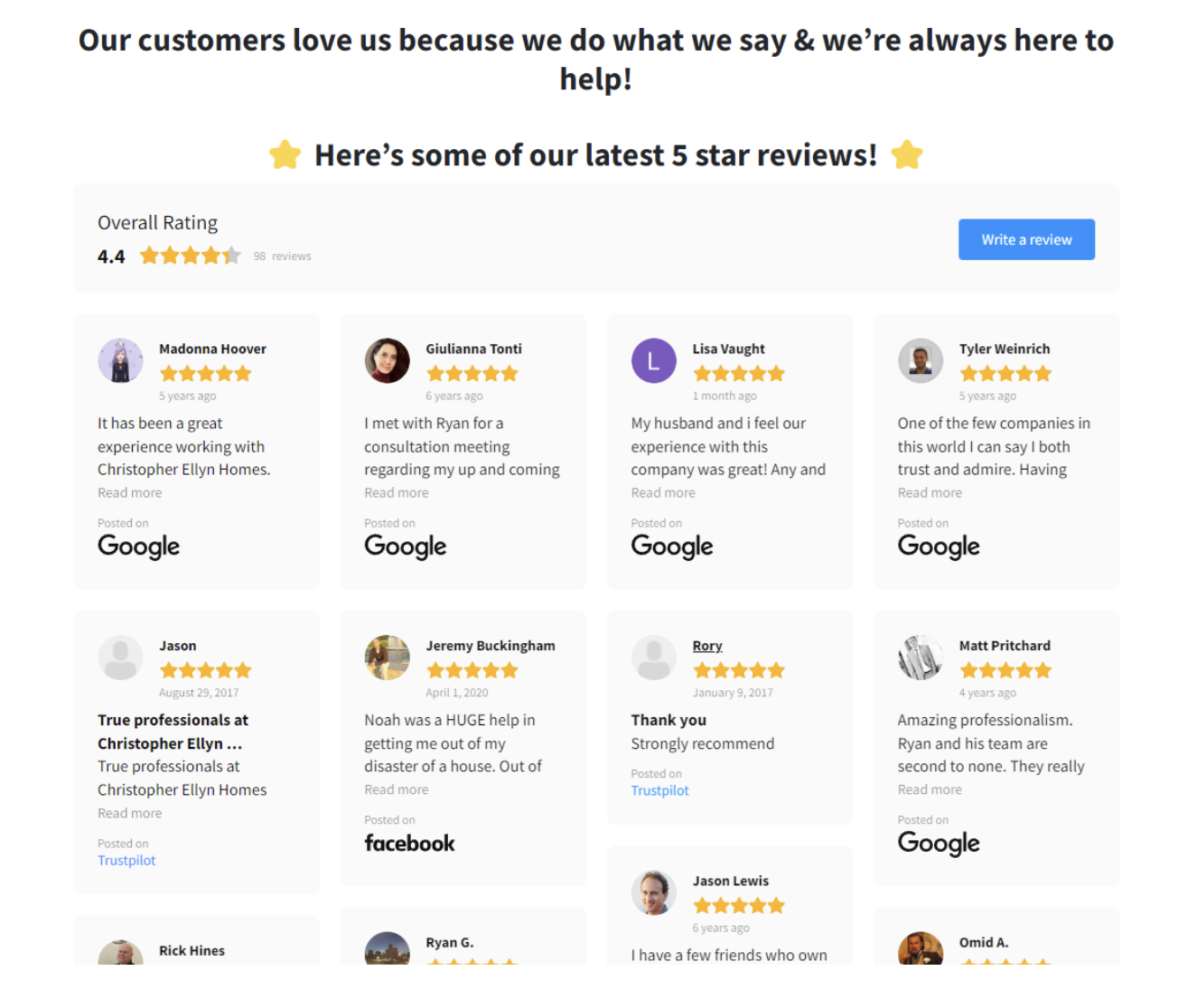
Besides these small changes to his Carrot website, he did very little. He customized some of the copy to fit his voice and added compelling testimonials.
Once his website was finished, he started marketing his new passion.
His original intention was to market his wholesaling business with traditional methods — direct mailing and what he calls “driving for dollars.” Basically, driving the streets looking for run-down houses and sending mail to those places.
He even got his first deal through traditional marketing methods, and he got a taste for success when he made $7,300.
But, as Brian mentions, “driving for dollars” wouldn’t be a sustainable marketing strategy.
As Brian grew tired of driving around every evening looking for possible clients, he knew something needed to change.
He discovered Carrot’s 3LPD training and devoted 5 hours a day for 3 weeks to the content, ingesting every soluble potential value from the modules.
Brian quickly learned that organic traffic strategies can take a long time to generate leads if you’re in a competitive market.
“I’m in Dallas, Texas,” he thought to himself, which is highly competitive.
Because of this, he turned his attention to Google Ads and learned what he knew nothing about.
His starting budget was a mere $1,200.
But after just one month of investing money into PPC, deals of value ranging between $10,000 and $20,000 started rolling in.
In his excitement, he invested more and more money into his PPC marketing.
Some might think he was too forward. But he wasn’t.
When discussing the topic, he said,
“Would you pay $3,000 to make $30,000? I don’t know about you, but I’d take that deal all day long.”
Brian’s perspective was that the more money he dumped into PPC, the more money he would make and the higher his ROI.
Brian started his journey as a coach and a middle-school teacher. Today, he’s a top real estate investor in Dallas, Texas, who’s making around $80,000 every month from his business.
He only does online lead generation — no more direct mail or “driving for dollars.”
Brian’s website is currently at the bottom of page one for his target keywords. And that’s starting to become a focus for him, but only now that he has the time and money to invest.
As he discusses his success, no one is more surprised than him as he says,
“It’s awesome because once you know the formula of how to do this, it’s just do it again and keep going and going and see how you can grow it.”
But what’s the formula?
How does someone go from a dreamer to a doer? How does a middle-school teacher become financially free through real estate investing?
Lucky for you, the answer isn’t as complicated as some people make it.
Brian boils his success down to one single solitary thing: trusting Carrot’s advice and implementing everything that they suggest.
That might sound a little sales pitchy coming from a content marketer at Carrot, but for Brian, that was exactly why he was successful.
He learned everything he could, took the recommended risks, and optimized his website with our suggestions.
The results speak for themselves.
So why not you?
Why not your business? Why not your website? Why not your family?
If Brian rose to real estate investing success from being a middle-school teacher, you can, too. Nothing makes Brian different than you except that he chose to implement everything he learned.
And oftentimes, the implementation makes the difference between someone who dreams of being an entrepreneur and someone who builds a successful business.
Brian is currently working to place his business in every city in Texas, and from there, who knows.
When you experience the kind of unexpected success that Brian enjoys, the sky’s the limit.
As a final piece of advice from the man who’s living your dream,
“Trust the system. That’s what I did. I put full trust in everything Carrot had to offer. Do your research. Be good at what you do. If you don’t have the skills, go learn new skills. Always push yourself. Always learn. At the end of the day, if you find something that you want to do, go all in 100%. Just kill it.”
Are you ready to step into the ring and take on the world of real estate with NO money down, NO experience, and NO traditional financing?! That’s right, folks—if you’ve been sitting on the sidelines, dreaming of making it big in real estate, NOW is your moment! And I’m here to show you how to dominate the game with one of the most powerful strategies in real estate: wholesaling!
Wholesaling is like body-slamming your way into the real estate market. You find deeply discounted properties, lock them down with a contract, and then tag in your cash buyer to close the deal—without ever owning the property yourself! You’re the ultimate middleman, connecting motivated sellers with hungry cash buyers and raking in the profits. No heavy lifting, just smart moves and fast wins.
This is the best entry point for beginners who are ready to crush it. You don’t need a mountain of cash, years of experience, or a bank begging you to borrow. What you need is hustle, heart, and a great strategy. And the best part? Wholesaling sharpens your skills in negotiating, deal analysis, marketing, and building a buyer’s list—all while keeping your risk low and your potential high.
In this step-by-step guide, I’ll break it all down for you. From finding motivated sellers to analyzing deals, securing contracts, and building a cash buyer’s list, this is your ultimate playbook to score your first wholesale deal in 2025.
Are you ready to step into the spotlight and make your real estate debut? Let’s get to work and get you on the path to your first wholesale victory! The time is now!
The key, of course, is finding a good deal.
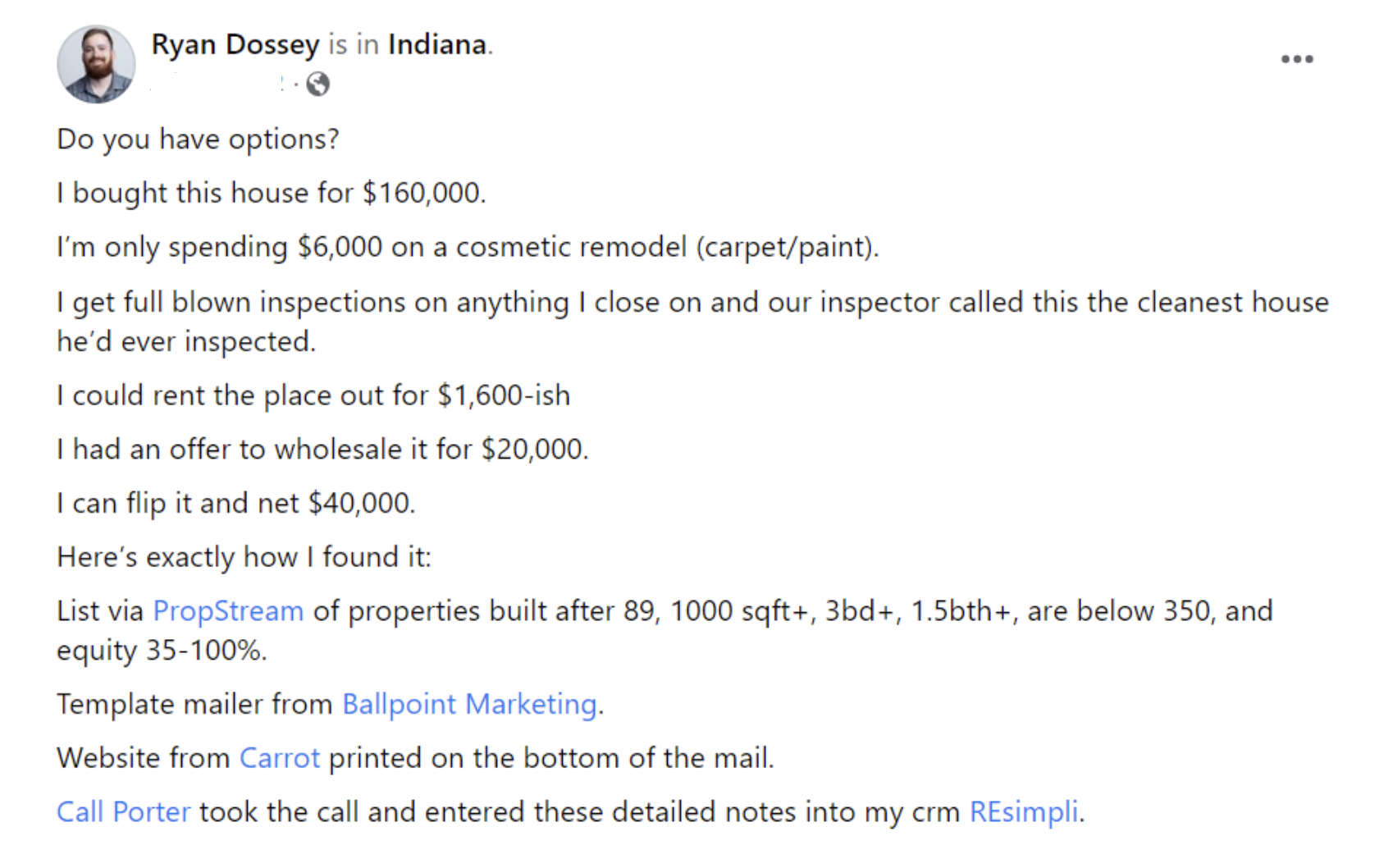
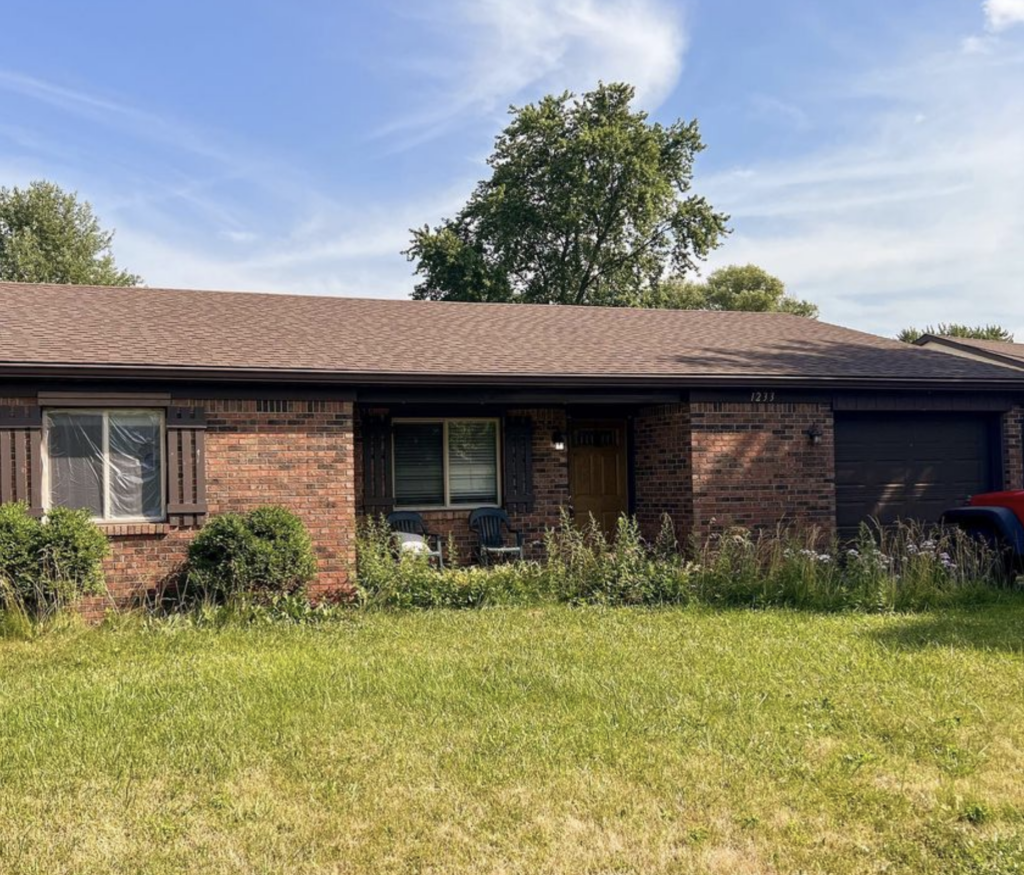
Here’s an example of how Ryan Dossey — a real estate investor in Indiana — found just one of his great deals…
Wholesaling real estate is one of the simplest and most accessible strategies for getting started in real estate investing. At its core, wholesaling is about finding distressed or discounted properties, putting them under contract, and then assigning that contract to a buyer for a profit. Unlike traditional real estate investing, where you actually purchase and hold the property, in wholesaling, you’re simply acting as a middleman between motivated sellers and cash buyers. The goal is to profit from the spread between the price you negotiate with the seller and the price your buyer is willing to pay.
The key to wholesaling lies in assigning contracts for profit. When you find a property that’s deeply discounted, you sign a contract with the seller agreeing to purchase the property. Instead of closing on the property yourself, you assign that contract to a buyer—usually an investor—who pays you an assignment fee. This way, you can make money without ever taking ownership of the property or needing large amounts of cash to close the deal.
How Wholesaling Differs from Traditional Real Estate Investing
In traditional real estate investing, you typically buy a property, make improvements (if necessary), and either rent it out or sell it for a profit. This requires capital, the ability to get financing, and often a longer time commitment. With wholesaling, however, you’re not buying the property—you’re securing it with a contract and selling that contract to someone else. It’s a much faster process and typically requires far less money upfront.
Benefits of Wholesaling Real Estate
Low Capital Requirements: Since you’re not buying the property outright, you don’t need large sums of money or traditional bank loans. In many cases, all you need is an earnest money deposit, which can be as little as a few hundred dollars.
Quick Deals: Wholesale transactions typically happen in a matter of weeks, not months. Once you have the property under contract, it’s all about finding a buyer and assigning the contract, which can lead to fast payouts.
No Need for Property Ownership: You never actually own the property in a wholesale deal, which means you avoid the headaches that can come with owning real estate—like repairs, maintenance, and tenant issues.
Wholesaling is the ultimate strategy for beginners because it offers quick, low-risk entry into real estate investing. By focusing on finding motivated sellers and building a solid buyers list, you can generate profits without the complexity and capital demands of other investment strategies. Let’s move forward and dive deeper into how to execute your first wholesale deal.
Understanding the Wholesaling Process
Wholesaling real estate is all about following a repeatable process. Once you understand the flow, you can rinse and repeat, building a profitable business from scratch. Here’s a simple breakdown of the wholesaling process:
1. Finding Motivated Sellers
The first step in wholesaling is finding motivated sellers—people who need to sell quickly and are willing to accept a discounted price in exchange for speed and convenience. These sellers are often in distress, facing situations like foreclosure, divorce, inherited properties, or simply owning a property in poor condition they don’t want to fix.
To find these sellers, you can use a variety of strategies:
Driving for Dollars: Physically driving through neighborhoods to spot distressed properties.
Direct Mail Campaigns: Sending postcards or letters to absentee owners or homeowners in foreclosure.
Online Marketing: Building a Carrot website to capture inbound leads.
Cold Calling & Texting: Reaching out to potential sellers directly with targeted lists.
Finding motivated sellers is the foundation of wholesaling success. Without motivated sellers, you won’t find deals worth wholesaling.
2. Getting the Property Under Contract
Once you’ve identified a motivated seller, the next step is to negotiate a purchase price and get the property under contract. The contract is the tool that gives you control over the property, allowing you to assign that contract to another buyer.
In this step:
Negotiate the deal: Focus on solving the seller’s problem. Many motivated sellers are more concerned with speed and convenience than getting top dollar.
Use a solid contract: Make sure the contract includes key terms like the purchase price, closing date, and assignment clause, which allows you to assign the contract to another buyer.
The goal is to get the property under contract at a price low enough to leave room for your end buyer (an investor) to make a profit while still allowing you to make your fee.
3. Assigning the Contract to an End Buyer
Once you have the property under contract, the next step is finding an end buyer—usually a cash investor—who’s willing to buy the contract. This is where your cash buyer list comes in. By building strong relationships with investors, you’ll have a network of buyers ready to close quickly on properties you bring them.
To assign the contract:
Present the deal to your buyers: Share details about the property, including price, potential ARV (After Repair Value), and any necessary repairs.
Negotiate your assignment fee: The assignment fee is the amount you’ll make from the transaction. This could range from $5,000 to $20,000 or more, depending on the deal.
The buyer steps into your place on the contract, and they’ll close on the property directly with the seller.
4. Collecting Your Assignment Fee
The final step is collecting your assignment fee. Once the end buyer closes on the property, you’ll receive your fee at closing. This fee is the difference between the price you contracted with the seller and the price your buyer is willing to pay.
For example:
You get the property under contract for $100,000.
You assign the contract to a cash buyer for $110,000.
You collect a $10,000 assignment fee at closing.
That’s it—you’ve successfully wholesaled a property without needing to buy, fix, or finance anything.
Building Your Wholesaling Business Foundation
To succeed in real estate wholesaling, you need to treat it like a business from day one. Many beginners make the mistake of seeing wholesaling as a side hustle, but if you want long-term success and consistent income, you must approach it with the right mindset and structure. Let’s break down how to build a strong foundation for your wholesaling business.
Developing a Business Mindset: Treat It Like a Business from Day One
Wholesaling isn’t just a way to make quick cash—it’s a real business. From the moment you decide to wholesale, you need to think like a business owner. This means:
Setting clear goals: How many deals do you want to close in your first year? What kind of revenue do you want to generate? Having clear goals helps you stay focused and measure your success.
Being consistent: Consistent action is key in wholesaling. Whether it’s marketing, following up with leads, or networking with buyers, daily efforts compound over time.
Tracking your results: Start tracking everything from day one—leads, calls, offers made, and deals closed. This data helps you see what’s working and where you need to improve.
A solid business mindset also means understanding that you’ll face challenges but being prepared to push through them and stay committed to the process.
Setting Up an LLC for Legal Protection and Credibility
One of the first steps in building your foundation is setting up a Limited Liability Company (LLC). Wholesaling is a business; just like any other business, you want to protect yourself from legal risks. An LLC separates your personal assets from your business liabilities, which is crucial if something goes wrong in a deal.
Here’s why setting up an LLC is important:
Legal protection: If a deal goes south or you face a lawsuit, your personal assets (home, savings, etc.) are protected because the LLC is the legal entity, not you personally.
Credibility: Operating as an LLC also makes you look more professional to motivated sellers and cash buyers. It shows that you’re serious about your business, which builds trust and increases your chances of closing deals.
Tax benefits: An LLC can also offer tax advantages, such as write-offs for business expenses like marketing, travel, and software tools.
Setting up an LLC is easy and affordable, and it gives you the peace of mind and credibility you need to operate your wholesaling business confidently.
Tools and Software You Need (CRM, Marketing Platforms, etc.)
Running a successful wholesaling business requires more than just hustle—you need the right tools to stay organized, automate tasks, and scale your efforts. Here are the essential tools and software you should consider:
CRM (Customer Relationship Management): A CRM helps you manage your leads, track communication, and follow up with sellers and buyers. In wholesaling, follow-up is key, and a CRM ensures that no lead falls through the cracks. Popular CRMs for wholesalers include InvestorFuse and Podio.
Marketing Platforms: You’ll need marketing tools to generate leads and find motivated sellers. Here are a few essential platforms:
Direct Mail Services: Use platforms like Ballpoint Marketing or Yellow Letters HQ to send direct mail to targeted sellers.
Carrot Website: A Carrot site can be one of your most powerful tools for generating inbound leads online. By optimizing your website for SEO and running paid ads, you can attract motivated sellers who are ready to take action.
SMS and Cold Calling Tools: Services like Batch Leads or Launch Control make it easy to reach out to potential sellers via text or phone calls.
Deal Analysis Tools: To evaluate deals, you’ll need tools to run comps and calculate the ARV (After Repair Value). Platforms like PropStream or Batch Leads allow you to pull property data, analyze deals, and determine the right price to offer.
Transaction Management: Once you have a property under contract, you’ll need a system to track the closing process. Platforms like Dotloop or DocuSign allow you to manage documents, contracts, and signatures online.
By investing in the right tools and setting up systems from the start, you’ll be able to operate more efficiently, scale your business, and focus on the highest-value tasks—finding deals and closing them.
In short, building your wholesaling business foundation means treating it like a real business, protecting yourself with an LLC, and using the right tools to streamline your process. This solid foundation will set you up for long-term success. Let’s move on to finding motivated sellers and getting deals under contract!
Finding Motivated Sellers
In wholesaling, finding motivated sellers is the foundation of your success. A motivated seller is someone who needs to sell quickly, usually because of financial distress, personal reasons, or because they simply don’t want to deal with the property anymore. These sellers are willing to accept a lower offer for the convenience and speed that a cash sale provides. As a wholesaler, it’s your job to find these people, offer a solution, and turn their property into a profit.
Motivated sellers are key because they create opportunity. The deeper the discount you can negotiate with a motivated seller, the larger your potential profit when you assign that contract to a buyer. Without motivated sellers, your deals won’t have enough margin for you or your investors to make money.
Here’s how you can find motivated sellers using tried-and-true strategies.
Strategies for Finding Motivated Sellers
1. Online Marketing: Using Carrot Websites to Attract Leads
Your Carrot website is a powerful tool for attracting inbound leads—people who are actively searching online to sell their homes fast. Sellers who visit your site and fill out a form are often highly motivated and ready to take action. By creating content optimized for SEO (Search Engine Optimization), you can rank your website on Google for key terms like “sell my house fast ” or “cash home buyers in .”
Here’s how to make the most of your Carrot website for lead generation:
Create hyper-local content: Write blog posts or pages targeting specific cities and neighborhoods where you’re looking for deals.
Run paid ads: Google Ads and Facebook Ads can drive immediate traffic to your site, generating leads even faster.
Optimize for conversions: Make sure your website is easy to navigate, with clear calls-to-action (CTAs) that encourage visitors to contact you for an offer.
A well-optimized Carrot website can automatically produce motivated seller leads, helping you scale your business while you sleep.
2. Direct Mail Campaigns: Targeting Absentee Owners, Pre-Foreclosures, and More
Direct mail remains one of the most reliable ways to generate leads from motivated sellers, especially when you target specific groups like:
Absentee owners: People who own properties but don’t live in them, often landlords or investors who may be tired of managing rentals.
Pre-foreclosures: Homeowners facing foreclosure are often highly motivated to sell before they lose their home.
Probate properties: People who inherit properties may want to sell quickly to avoid dealing with maintenance or taxes.
To run a successful direct mail campaign, you’ll need a targeted list of homeowners. You can get these lists through services like PropStream, ListSource, or Batch Leads. Craft a compelling postcard or letter offering a fast, hassle-free cash sale, and send it out consistently. Many wholesalers close their first deals through this strategy.
3. Driving for Dollars: Spotting Distressed Properties
Driving for Dollars is one of the most direct ways to find properties that may belong to motivated sellers. This involves physically driving through neighborhoods and looking for distressed properties that are showing signs of neglect, such as:
Overgrown lawns
Boarded-up windows
Peeling paint or damaged roofs
Notices on the door
Once you spot a potential distressed property, write down the address and do some research to find the owner. You can then reach out to them directly to see if they’re intereste
4. Cold Calling & SMS Marketing: Scripts and Tools for Outreach
Cold calling and SMS marketing are direct, proactive approaches to reaching potential sellers. With the right list and tools, you can contact homeowners and start the conversation about buying their property. This method can be especially effective when targeting lists like absentee owners or pre-foreclosures.
Here’s how to get started:
Cold Calling: Use a dialer like Batch Dialer or Mojo Dialer to quickly make calls to your targeted list. When cold calling, it’s important to have a script that introduces you, explains your interest in buying their home, and offers a solution. Keep it short and to the point:
“Hi, I’m [Your Name], a local investor, and I’m looking to buy a few more houses in your area. Would you be interested in a cash offer for your property?”
SMS Marketing: Texting is less invasive and often gets higher response rates than cold calls. Tools like Batch Leads or Lead Sherpa allow you to send bulk messages to your target list. Keep your message short and clear, like:
“Hi, this is [Your Name], I’m a local buyer interested in purchasing properties in . Would you consider selling your home for cash?”
These outreach methods are all about volume—the more people you reach out to, the more opportunities you’ll have to find motivated sellers.
By using these strategies—online marketing through Carrot, driving for dollars, direct mail, and cold calling/SMS marketing—you can consistently find motivated sellers and build a steady pipeline of deals. The key is staying consistent and persistent, even when you don’t get immediate results. Now, let’s talk about how to get the property under contract once you’ve found a motivated seller.
Analyzing and Making Offers
Once you’ve found a motivated seller, the next step is to analyze the deal and make an offer. Knowing how to correctly evaluate a property and make a competitive offer is essential for your success in wholesaling. Here, we’ll break down the key components of analyzing deals: running comps, estimating repair costs, and using the 70% Rule to determine your Maximum Allowable Offer (MAO).
How to Run Comps: Determining the Property’s After Repair Value (ARV)
The After Repair Value (ARV) is the estimated value of a property after all necessary repairs and updates are made. This is crucial because it helps you determine how much the property can sell for once it’s fixed up. The ARV guides your entire offer-making process, so getting it right is key.
Here’s how to run comps:
Use MLS data or online tools: If you don’t have access to the MLS (Multiple Listing Service), you can use tools like PropStream or Zillow to pull comps—comparable sales of similar properties in the same area.
Select recent sales: Focus on properties that have sold within the last 3-6 months to get an accurate picture of the current market.
Look for similar properties: The best comps are properties that are similar in square footage, bedroom/bathroom count, and property type. Stay within a 1-mile radius of the property you’re evaluating.
Adjust for condition: Compare the condition of your target property to the comps. If the comp is fully renovated and your property needs a lot of work, you’ll need to adjust the value downward.
Once you have your comps, average the sale prices to determine the ARV. For example, if similar properties in the area have sold for $250,000, then that’s likely your property’s ARV.
Estimating Repair Costs: Knowing What to Offer Based on Repairs
Understanding repair costs is another critical component of making the right offer. You don’t need to be a contractor, but having a rough idea of how much repairs will cost allows you to calculate your offer and leave enough margin for profit accurately.
Here’s how to estimate repair costs:
Conduct a walk-through: If possible, visit the property or ask the seller for recent photos. Look for major repairs like roof issues, HVAC systems, electrical problems, plumbing, or structural damage.
Use a repair cost guide: You can use general repair cost guidelines to estimate expenses. For example, cosmetic repairs (paint, flooring, minor kitchen updates) may cost around $10,000-$15,000, while major renovations (roof replacement, foundation repairs) could range from $20,000-$40,000 or more.
Get contractor quotes: If you’re unsure, consider having a contractor give you a rough estimate. Over time, you’ll get better at estimating repairs yourself based on experience.
The key is to avoid underestimating repair costs—this is where many wholesalers lose deals. Once you’ve determined the repair costs, subtract this from the ARV to get a clearer picture of the property’s value in its current condition.
The 70% Rule: How to Use It to Formulate a Maximum Allowable Offer (MAO)
The 70% Rule is a simple formula that helps you determine how much you should offer on a property to ensure there’s enough profit for both you and the end buyer (typically a flipper or cash investor). It’s one of the most widely used rules in wholesaling because it balances risk with profitability.
Here’s how the 70% Rule works:
Take the ARV of the property and multiply it by 70%. This accounts for the buyer’s profit margin (typically 30% of the ARV).
Subtract the estimated repair costs from this number to determine your Maximum Allowable Offer (MAO).
Here’s an example:
ARV: $250,000
70% of ARV: $250,000 × 0.7 = $175,000
Estimated repair costs: $30,000
MAO: $175,000 – $30,000 = $145,000
In this case, your MAO is $145,000. This is the maximum you should offer the seller to ensure there’s enough profit for both you and your end buyer.
Remember, your goal is to get the property under contract at a price lower than your MAO. This gives you room to assign the contract to an investor and collect an assignment fee, which is your profit.
By running comps, accurately estimating repair costs, and applying the 70% Rule, you can confidently make offers that leave enough margin for you, your buyer, and the seller to walk away happy. Let’s move on to the next step—getting that property under contract and finding a buyer!
Negotiating and Securing the Contract
Now that you’ve analyzed the deal and determined your offer, it’s time to negotiate with the seller and secure the property under contract. This is one of the most critical steps in wholesaling—if you don’t get the contract right, you risk losing the deal or even facing legal issues down the road.
Let’s walk through how to negotiate with sellers, the key clauses your contract should include, and how to explain the contract in a way that makes the seller feel confident in moving forward.
Tips for Negotiating with Sellers
Negotiation is where many new wholesalers struggle, but remember—your goal is to solve the seller’s problem, not just get the lowest price. If you approach the conversation with empathy and a solution-oriented mindset, you’re more likely to win the deal. Here are some tips to help you negotiate effectively:
Build Rapport: Sellers need to trust you before they agree to sell their property at a discounted price. Spend time understanding their situation and genuinely listen to their needs. People are more likely to do business with someone they like and trust.
Solve Their Problem: Focus on the seller’s pain points and offer a solution. For example, if they need to move quickly, emphasize how you can close fast with a cash offer. If they’re facing foreclosure, explain how you can help them avoid the damage to their credit.
Be Transparent: Let the seller know that you’re an investor and that you’ll likely be working with other buyers. Be upfront about your intentions so they feel comfortable. Transparency builds trust and can prevent misunderstandings later on.
Use the Seller’s Number First: Always ask the seller what they’re hoping to get for the property before you make an offer. This gives you a starting point and allows you to see how motivated they are. You might be surprised—they may name a price lower than you expected!
Know Your Numbers: Confidence in negotiation comes from knowing your numbers. You’ve already run comps and estimated repair costs, so stick to your Maximum Allowable Offer (MAO). If the seller’s price is too high, politely explain why and offer them a fair price based on the property’s condition and the local market.
The Importance of a Solid Contract: Key Clauses for Wholesaling
Once the seller agrees to your offer, it’s time to lock the deal in with a purchase and sale agreement. This contract is what legally gives you the right to assign the property to an end buyer and collect your assignment fee. A solid contract is essential to protecting yourself, the seller, and the buyer throughout the transaction.
Here are some key clauses your wholesaling contract should include:
Assignment Clause: This is the most important part of a wholesaling contract. It gives you the right to assign the contract to another buyer. Without this clause, you won’t be able to wholesale the deal. The clause should clearly state that you (the buyer) have the right to assign the contract to a third party.
Contingency Clause: Include a contingency clause that allows you to back out of the deal if you can’t find a buyer or if unforeseen issues arise during the inspection period. Common contingencies include financing, inspection, or approval by a business partner. This protects you from losing your earnest money if the deal doesn’t go through.
Earnest Money Deposit (EMD): The earnest money deposit shows the seller that you’re serious about buying the property. It’s typically a small percentage of the purchase price. You can often negotiate a lower EMD for wholesale deals, especially if the seller is motivated.
Closing Date: Make sure your contract specifies a reasonable closing date. If you’re wholesaling the property, the closing date should give you enough time to find a buyer. A typical closing timeline is 30-45 days, but you can negotiate this based on the seller’s needs.
Access to the Property: You’ll need access to the property for inspections and to show it to potential buyers. Make sure the contract gives you (or your buyers) the right to access the property during the closing period.
How to Get a Property Under Contract (Explaining the Contract to the Seller)
Getting a property under contract can be intimidating for beginners, but it’s simply a matter of walking the seller through the agreement and addressing any concerns. Here’s how to handle the conversation smoothly:
Explain the Agreement: Go through the contract with the seller line by line, explaining each section in plain language. Let them know that this contract protects both parties and outlines the terms of the sale. Highlight key points like the purchase price, closing date, and any contingencies.
Address Concerns: Sellers may have questions about the assignment clause or contingencies. Be ready to explain that you work with partners or investors and that the assignment clause allows you to find the right buyer quickly. Reassure them that you’re committed to closing the deal, and that contingencies are standard in real estate contracts.
Be Patient and Professional: Some sellers may need time to think or consult with someone before signing. That’s okay. Give them the time they need, and don’t pressure them into making a decision. Maintaining professionalism and patience goes a long way in building trust.
Sign and Seal the Deal: Once the seller is comfortable with the terms, have them sign the contract. Make sure you have all the necessary signatures, including both the seller’s and yours as the buyer. Provide a copy of the signed agreement to the seller and keep one for your records.
By following these steps and ensuring you have a solid contract in place, you can confidently move forward with the deal. With the property under contract, the next phase is finding your end buyer and getting ready to collect your assignment fee! Let’s talk about how to do that next.
Building a Cash Buyers List
One of the most critical aspects of wholesaling real estate is having a solid list of cash buyers ready to take the deals you secure under contract. Without cash buyers, even the best wholesale deals can fall apart. A strong buyer’s list ensures you have people ready to close quickly, so you can make your profit and move on to the next deal.
What is a Cash Buyer and Why They’re Crucial to Your Success?
A cash buyer is an investor or individual who can purchase a property outright, without needing traditional financing. This means no waiting around for mortgage approvals or bank inspections. Cash buyers are typically investors looking to fix and flip properties or add them to their rental portfolios.
Having a reliable list of cash buyers is crucial because:
Fast Closings: Cash buyers can close deals quickly, sometimes within a week, which is important when working with motivated sellers who need a fast solution.
Minimize Risk: By having buyers lined up, you reduce the risk of a deal falling through at the last minute, which can cost you both time and money.
Repeat Business: Once you build relationships with active cash buyers, you’ll find that they often buy multiple properties from you, creating a steady income stream.
Now, let’s break down how to build and maintain a cash buyers list.
How to Build a List of Cash Buyers
A solid cash buyers list doesn’t appear overnight, but with consistent effort, you can build one that supports your wholesaling business for years to come. Here are some proven methods for finding cash buyers:
1. Networking: Attending Local REIAs and Using Social Media Groups
Networking is key in the real estate world, and one of the best places to meet cash buyers is at your local Real Estate Investor Association (REIA) meetings. These groups are full of experienced investors looking for deals, and as a wholesaler, that’s exactly what you can offer them.
Here’s how to maximize networking:
Attend REIA meetings regularly: Get to know the local investors, share your deals, and exchange contact information. Focus on building relationships—buyers are more likely to work with wholesalers they know and trust.
Use social media: Join real estate investment groups on platforms like Facebook and LinkedIn. Many local investor groups exist where people post deals and connect with cash buyers. When you have a property under contract, share it in these groups to gauge interest.
Go to local meetups: Even outside of REIAs, real estate investment meetups, seminars, and conferences are great places to find buyers who are actively seeking deals.
2. Public Records: Finding Buyers from Recent Transactions
Another method for finding cash buyers is digging into public records. Whenever someone buys a property, it’s recorded in public county records, including whether it was a cash transaction.
Here’s how to find them:
Search recent transactions: Check the local county records for recent property purchases. Look for cash transactions and record the buyer’s information. These buyers are often investors who are likely looking for more properties.
Work with a title company: Many title companies have access to property transaction data and may be willing to share lists of cash buyers who have closed deals in your area recently.
3. Online Platforms: Using Carrot’s Cash Buyer Leads Feature
If you want to streamline the process of finding cash buyers, platforms like Carrot make it easy. Carrot’s websites have a built-in Cash Buyer leads feature designed specifically for real estate investors like you.
Here’s how it works:
Create a landing page: Set up a simple landing page using your Carrot website that offers potential cash buyers an opportunity to join your list. Make the page easy to navigate and include a form where buyers can submit their information.
Drive traffic to the page: Share your landing page in your local REIA groups, social media, or even in your email marketing campaigns. Once buyers sign up, you’ll start collecting valuable leads you can nurture for future deals.
This automated approach can quickly grow your buyers list, allowing you to focus more on finding deals and less on manually building your list.
Communicating Effectively with Cash Buyers
Once you’ve built your buyers list, effective communication is crucial to maintain strong relationships and ensure quick closings. Cash buyers need to trust that you’ll bring them high-quality deals, and you need to ensure they can close fast.
Here’s how to communicate with your cash buyers:
Provide detailed information: When presenting a deal to your buyers, include all relevant details—ARV, repair estimates, and your asking price. Cash buyers want to know the numbers right away so they can make an informed decision.
Be honest and transparent: If there’s something wrong with the property (e.g., major repairs needed), let your buyers know upfront. They’ll appreciate your transparency and are more likely to work with you long term.
Stay in touch: Even when you don’t have deals, stay in contact with your buyers. Send out periodic updates, check in on their investment goals, and ask if they’re looking for anything specific. Building a relationship keeps you top-of-mind when they’re ready for their next purchase.
By following these strategies, you’ll build a strong, reliable cash buyers list that will allow you to confidently secure contracts, knowing you have the buyers ready to close. With a solid buyers list in place, your wholesaling business will run much smoother, and you’ll be well-positioned for consistent success. Next, let’s dive into closing the deal and collecting your assignment fee!
Assigning the Contract
Once you’ve secured a property under contract and built a strong list of cash buyers, the next step in the wholesaling process is assigning the contract. This is the moment where you make your profit, so understanding how the assignment process works is crucial for a smooth deal.
How the Assignment Process Works: From Contract to Closing
The assignment process is what makes wholesaling unique. Instead of purchasing the property yourself, you’re essentially selling the rights to your contract to a cash buyer. Here’s a breakdown of how it works:
Get the Property Under Contract: After negotiating with the seller, you’ll sign a purchase and sale agreement that gives you the right to buy the property at an agreed price. This contract is the key to wholesaling.
Assign the Contract: Instead of closing on the property yourself, you’ll assign the contract to one of your cash buyers for a higher price. This is known as the assignment fee—your profit for finding the deal.
Use an Assignment of Contract Form: To complete the process, you’ll need an Assignment of Contract document. This form officially transfers your rights in the original purchase agreement to the cash buyer. The buyer takes over the contract and closes on the property directly with the seller.
Close the Deal: The cash buyer will close the deal with the seller, and you’ll collect your assignment fee at closing, typically through the title company handling the transaction.
The beauty of this process is that you never need to own the property or come up with the funds to close. Your role is simply to connect motivated sellers with eager cash buyers.
Assignment vs. Double Closing
In wholesaling, there are two primary methods for closing deals: assignment of contract and double closing. It’s important to understand the difference so you can choose the best approach for each deal.
Assignment of Contract: This is the most common method. You assign the original contract to a buyer, and they complete the transaction. It’s fast, simple, and involves lower costs because you don’t have to purchase the property yourself.
Double Closing: In a double closing, you actually buy the property from the seller and immediately sell it to your buyer in two back-to-back closings. This method is useful when you want to keep your assignment fee private or if the profit margin is particularly large. However, it can be more expensive since you’ll need to cover closing costs twice.
In most cases, assignment is the preferred method for beginners because it’s straightforward, and you don’t need any of your own money to complete the deal.
How to Present Deals to Buyers and Collect Your Fee
Now that you’ve secured a contract, you need to present it to your cash buyers in a way that excites them and makes them eager to close quickly. Here’s how to do it:
Package the Deal: Present the deal in a clear, professional manner. Include all the necessary details like the property address, the purchase price, ARV (After Repair Value), estimated repair costs, and your asking price (which includes your assignment fee).
Create Urgency: Good deals won’t last long, and you want your buyers to act fast. Let them know that you’re offering the deal to multiple buyers and it’s first-come, first-served. The more urgency you create, the faster you’ll get offers.
Be Transparent About Your Fee: When assigning the contract, be upfront about your assignment fee. Most experienced cash buyers expect wholesalers to make a profit, so there’s no need to hide it. Transparency builds trust and long-term relationships with your buyers.
Use a Title Company or Real Estate Attorney: A reliable title company or real estate attorney will handle the closing process and ensure everything is legal and above board. They’ll facilitate the transfer of the contract from you to your buyer, and they’ll also handle the payment of your assignment fee.
Get Paid at Closing: Once the deal is ready to close, your assignment fee will be paid out through the title company or attorney. You’ll receive your profit without ever having to come up with the funds to purchase the property.
Mastering the assignment process is the key to consistent, profitable wholesaling. It allows you to leverage opportunities, connect buyers and sellers, and make money without taking on the financial risk of buying the property yourself. Once you’ve successfully assigned your first contract, you’ll see just how scalable and repeatable this business model can be!
Common Mistakes to Avoid
When you’re just starting out in real estate wholesaling, it’s easy to make mistakes that can cost you time, money, and even deals. However, by being aware of the common pitfalls and learning how to avoid them, you can fast-track your success. Here are three of the most frequent mistakes that new wholesalers make—and how to steer clear of them.
Overpaying for Properties: How to Avoid Paying Too Much
One of the biggest mistakes beginners make is overpaying for properties. The profitability of your wholesale deal relies heavily on securing properties at a price low enough that there’s room for both you and the end buyer to profit. Here’s how to avoid overpaying:
Stick to the 70% Rule: This rule helps you determine your Maximum Allowable Offer (MAO) by calculating 70% of the After Repair Value (ARV) minus estimated repair costs. This ensures that you’re leaving enough margin for both your buyer and yourself.
Run Accurate Comps: Make sure you’re using recent, comparable sales (comps) in the area to accurately estimate the ARV. Failing to run accurate comps could cause you to misprice your offer, leading to an unprofitable deal.
Don’t Get Emotionally Attached: It’s easy to get caught up in the excitement of finding a deal, but always remember—real estate wholesaling is about the numbers. If the deal doesn’t make financial sense, walk away. It’s better to lose out on a deal than to overpay and end up stuck with a contract you can’t move.
Not Vetting Buyers: Ensuring Your Buyer Can Close
Securing a contract is only half the battle. The other half is ensuring that your buyer is actually able to close the deal. Too many new wholesalers skip the crucial step of vetting their buyers, which can result in deals falling apart at the last minute. Here’s how to ensure your buyers are solid:
Build Relationships with Proven Buyers: Rather than scrambling to find a buyer after you have a property under contract, start building relationships with reliable cash buyers before you even begin wholesaling. Attend local real estate meetups, network through social media, and tap into online platforms to grow your list.
Verify Proof of Funds: Always ask potential buyers for proof of funds before assigning them a contract. This ensures that they have the cash available to close the deal on time.
Ask for References: If you’re working with a new buyer, don’t hesitate to ask for references from title companies or other wholesalers they’ve worked with. A few quick phone calls can give you peace of mind that they’re legitimate and capable of closing.
Skipping Legal Advice: Why Having a Real Estate Attorney Matters
Skipping legal advice can be a costly mistake. While wholesaling may seem straightforward, each deal involves legal contracts, and it’s critical to have someone with the right expertise on your side.
Protect Yourself with Proper Contracts: A real estate attorney will help ensure that your contracts are legally sound and that you’re protected in case anything goes wrong. For instance, you need to ensure you have an assignability clause in your contract, which allows you to assign the contract to another buyer.
Stay Compliant with Local Laws: Real estate laws vary by state, and wholesaling laws can be complex. Some states have specific restrictions on wholesaling, and an experienced attorney can help you navigate these regulations. Failing to comply with local laws could land you in hot water, so it’s best to have an expert in your corner.
Avoid Legal Disputes: Having a real estate attorney involved in your deals ensures that everything is handled properly and that both parties understand their obligations. This reduces the risk of legal disputes that could arise from misunderstandings or poorly drafted contracts.
By avoiding these common mistakes—overpaying for properties, failing to vet buyers, and skipping legal advice—you’ll set a strong foundation for a successful and sustainable wholesaling business. The more cautious and prepared you are, the more smoothly your deals will run and the faster you’ll see results.Next, let’s discuss closing your first deal and scaling your business for long-term success!
Scaling Your Wholesaling Business
Once you’ve successfully closed a few deals, the next step is scaling your wholesaling business. To grow, you need to transition from hustling to setting up systems that generate leads and close deals on autopilot. Here’s how to take your business to the next level.
Systematizing Lead Generation: Automating Marketing and Follow-Up
At the heart of any successful wholesaling operation is a consistent stream of leads. However, manually handling every part of lead generation can quickly become overwhelming. To scale, you need to automate and streamline your marketing efforts:
Leverage Online Marketing Tools: Use platforms like Carrot to build a high-converting website that attracts leads through SEO. Optimize your site for keywords like “sell my house fast” or “cash home buyers,” so motivated sellers can find you online.
Automate Follow-Up Campaigns: Many of your leads won’t convert immediately. That’s why having a follow-up system is essential. Use CRM software to set up automated email and SMS sequences to nurture your leads. The more touchpoints you have, the better your chances of closing deals down the road.
Use Paid Advertising: As you scale, consider using paid traffic sources like Google Ads or Facebook Ads to generate more motivated seller leads. Set a budget and let your ads run continuously to keep the pipeline full while you focus on closing deals.
By automating these processes, you can spend less time prospecting and more time negotiating and closing contracts.
Building a Team: When to Hire a Virtual Assistant or Acquisitions Manager
As you scale, you’ll reach a point where it’s impossible to handle everything on your own. This is when building a team becomes critical. Two key hires you’ll want to consider early on are:
Virtual Assistant (VA): A VA can help with repetitive tasks like cold calling, list pulling, lead follow-up, and organizing your CRM. This frees you up to focus on high-value activities like negotiating contracts and closing deals. Virtual assistants are typically cost-effective and can be hired part-time as your business grows.
Acquisitions Manager: An acquisitions manager can help scale your wholesaling business by handling property negotiations and contracts. They’ll focus on getting properties under contract while you focus on running the business and expanding operations. As your deal flow increases, an acquisitions manager will be essential to handling multiple deals simultaneously.
Building a team allows you to delegate tasks, maximize productivity, and scale your operations without getting bogged down in day-to-day details.
Reinvesting Profits to Scale
If you want to grow your wholesaling business, you need to reinvest your profits strategically. Here are three key areas where reinvesting can have the biggest impact:
Marketing: Scale up your lead generation efforts by reinvesting in marketing channels that are already working. Whether it’s paid ads, direct mail campaigns, or online marketing, doubling down on what works will ensure you keep the deal flow consistent.
Technology & Tools: Invest in tools that streamline your processes, such as CRM systems, marketing automation platforms, and real estate software for finding comps and running analyses. The right tech can save you time and make your business more efficient.
Hiring & Training: Use your profits to bring on new team members and train them to run different aspects of your business. This includes virtual assistants, acquisitions managers, and even dispositions managers to help sell the deals. The more you reinvest in your team, the more your business will be able to handle a higher volume of deals.
Scaling your business takes time, but by investing your profits wisely, automating lead generation, and building a strong team, you’ll be well on your way to growing a successful and sustainable wholesaling operation.
By systematizing your lead generation, building a reliable team, and reinvesting your profits, you’ll set the foundation to scale your wholesaling business and take it to new heights. With consistent effort and smart decision-making, you can turn your initial deals into a thriving business that operates efficiently at scale! Ready to scale? Let’s talk about closing more deals consistently and making 2025 your most successful year yet!
Conclusion
Wholesaling real estate may seem overwhelming at first, but by following these key steps, you’ll be on the path to success:
Understand the process: From finding motivated sellers to securing contracts and building a cash buyer list, knowing the steps is critical.
Treat it like a business: Set up a strong foundation, use the right tools, and build a reliable team as you grow.
Stay disciplined with your numbers: Analyze deals carefully, stick to the 70% rule, and avoid overpaying for properties.
Be persistent: Wholesaling isn’t a “get rich quick” scheme—it’s a business that requires patience, persistence, and a willingness to learn from mistakes.
For beginners, remember that every successful wholesaler started right where you are now. The key is to stay persistent, keep learning, and continue taking action. Even when deals fall through or things don’t go as planned, each challenge is an opportunity to grow and get better.
To help you stay organized, streamline your lead generation, and automate your follow-up, I highly recommend using Carrot’s platform. With the right tools, you can focus on scaling your wholesaling business and closing more deals.
Ready to take your first step? Use Carrot to help you automate, attract motivated sellers, and build your buyer list. Get started today and make this the year you break into wholesaling!
Videos are often seen as a way to build brand awareness and establish a presence in the industry. However, many real estate professionals are missing out on the full potential of video marketing for real estate.
This unique article will debunk the myth that real estate videos are only for branding.
We’ll show you how to use videos to generate motivated seller and buyer leads using data and creative use cases you may not have considered before. So, if you’re ready to take your real estate business to the next level, keep reading to learn how to unlock the full potential of video marketing.
With the right strategies and techniques, you can use video marketing to create targeted campaigns that drive conversions and help you stand out in a competitive market. So, let’s dive into how you can use video marketing to generate quality leads for your real estate business.
By the time you’re done reading, you’ll know how to take advantage of one of the best forms of marketing we have at our disposal.
[The Data] Benefits of Video Marketing For Real Estate
If you aren’t convinced you need to implement video marketing into your business, here’s some data to back up how quickly this sector is growing.
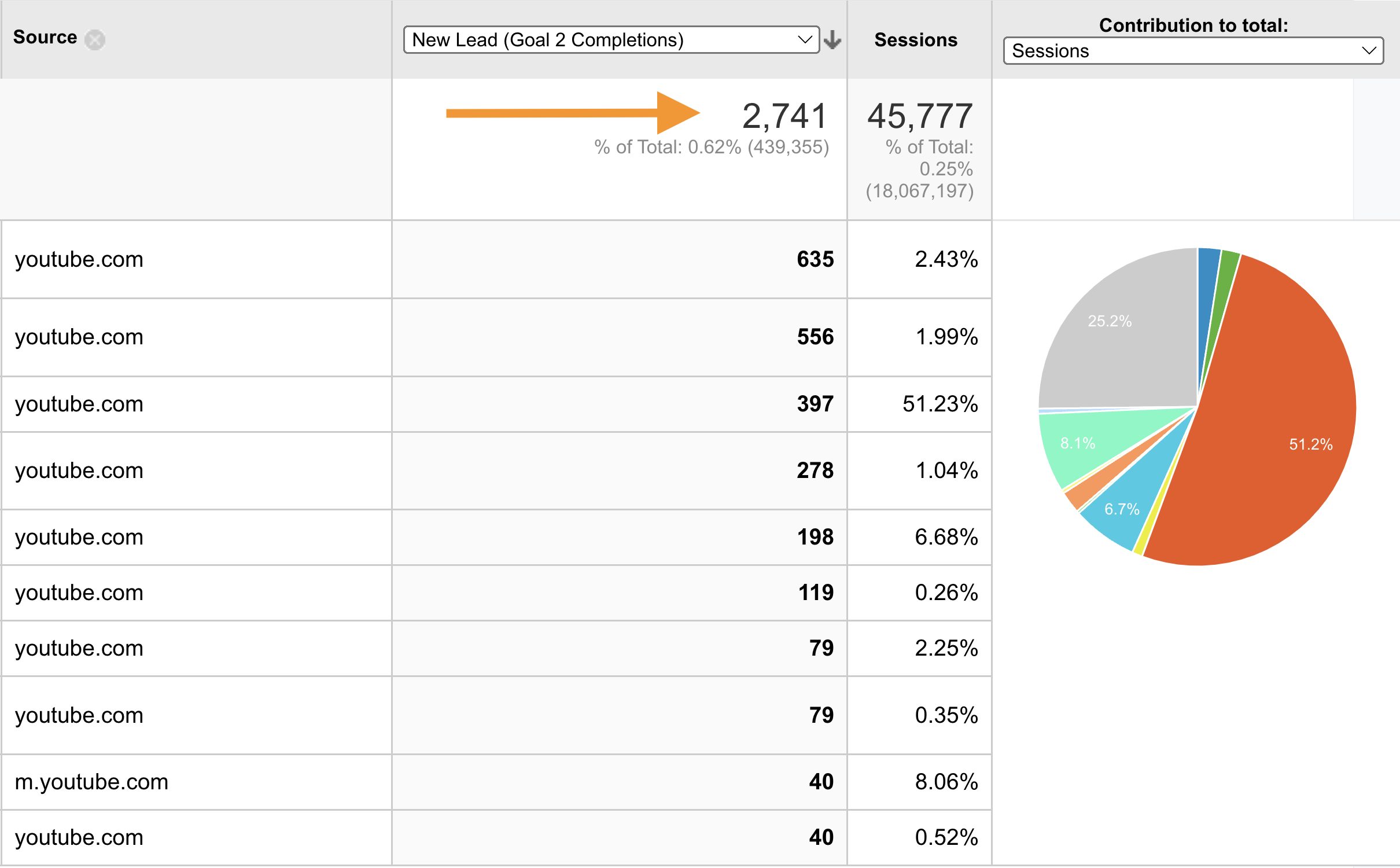
Carrot members drove 2,741 leads via YouTube.
Carrot members generated 2,741 leads through YouTube, which is evidence that YouTube can effectively serve as a channel for lead generation.
Leads from YouTube convert 2x higher than other channels.
There are a ton of different ways to generate leads online. Regarding lead quality, though, it’s hard to beat the conversion rate from leads that come through video platforms like YouTube.
Based on our internal data across more than 7,000 members, we’re seeing leads convert from video viewer to prospect at a rate of 8.43% — more than double the rate of other lead sources.
37% of investors and agents ARE using video in their marketing.
And whether or not you consider yourself a marketer right now, a recent study from the National Association of REALTORS Research Group has shown that more than 37% of investors and agents ARE using video in their marketing. With an additional 35% responding that they intend to implement it. The remaining 28% stated that they do not want to use video in the future.
73% of homeowners are likelier to list with an agent who uses video.
When it comes to selecting a realtor, homeowners and buyers take it seriously. Even if they don’t know what’s on the line by choosing the wrong one, they know this decision can be one of the biggest decisions they make in their lives.
That’s why more than 73% reported that they are likelier to list with an agent who uses video in their marketing. (Source: Realtor Magazine)
403% more inquiries are driven by video listings.
In the same study, NAR found that 403% more inquiries are being driven by video listings, especially 360-degree tours, than with photos only. Videos are not only a fantastic way to get extra attention on your properties but also a great way to keep them engaged with your business.
51% of homebuyers use YouTube in their searches.
One of the biggest reasons you should use video in your marketing is because YouTube is the primary destination for homebuyers. After Google, YouTube is the biggest, most widely used search engine available. (Source: Animoto)
70% of homebuyers want a virtual tour of the home.
With the pandemic, virtual tour requests skyrocketed. In a Digital In The Round study, 70% of buyers wanted to virtually tour the home they were considering BEFORE physically visiting the property.
On top of that, they reported that buyers in the 18-34 group spent 10x more time looking at listings and were 130% more likely to become a lead if they saw a virtual tour of the property before they had to contact you.
How To Get Started With Video Marketing
Since getting started and creating that first video can be the hardest part of implementing this strategy into your marketing, here are some quick tips to help you.
Tip #1: Keep it simple.
You don’t have to be a professional videographer or editor to make incredibly effective videos.
Keeping it simple, especially initially, will help you more than spending thousands of dollars hiring a professional or paying an editor.
All you need is an iPhone or Android with a decent camera, a good lapel or Bluetooth microphone, and a handheld gimbal if you have problems keeping your hands steady.
Initially, focus on ensuring your audio is good and the video quality is at least 1080p HD. From there, the rest of your effectiveness comes down to the content in the video.
Tip #2: Everybody starts in the same place.
One of the best things you can do, especially in the beginning, is to accept that your videos will probably be bad. You may even cringe when you look back on them a year from now.
Everybody starts at the same place, and unless you were born a video marketing savant, it’s OK to be bad at this for a bit. Keep showing up and improving, and your videos will improve, too!
The people watching your videos care more about you as a human and the property you’re showing them than they do the editing tricks you used to get their attention.
Tip #3: Stay focused on your goals.
Are you trying to become an influencer in your market or space? Or are you trying to generate buyer leads so you can sell more properties?
People often try doing both, which creates washed-down, ineffective marketing. Instead of falling victim to the ‘do it all’ marketing strategy, focus on one specific goal.
Tip #4: Be patient. It takes time.
The traction you get with your video marketing efforts won’t happen overnight, either.
But don’t let it discourage you if your first few videos don’t take off how you thought they would. As with any marketing strategy, it takes time to build that momentum up.
But once you’ve built it? It’s easier for your newer videos to gain traction because you stayed consistent and kept creating your first videos without giving up.
Tip #5: Don’t forget the humans.
Many investors and agents using video make one major mistake: they ONLY showcase the property and not themselves.
So, with that in mind, ensure you’re showing up in the video and giving them a chance to get to know, like, and trust you without taking the focus off the property.
Humans buy from humans, so give them a chance to buy from YOU.
While you’re keeping humans as the focus, make sure to include the humans around the property you’re selling — they’re buying into the lifestyle, the location, and the property’s features. Show them what they’re getting!
Tip #6: Keep your videos to the point.
On average, around 37% of your viewers will stick around to the end of the video.
So if you want to increase that rate, keeping them short and to the point will ensure the videos are engaging and that you keep people watching.
Not every property needs a 30-minute documentary. A shorter 3-5 minute video can be more effective if it targets the property’s key features.
Tip #7: Promote your videos.
Don’t sit around thinking, “if I build it, they will come.” Proactively sharing the videos you’ve created will significantly reduce your time to gain real traction in your area.
Make sure you’re devoting energy to helping get the word out. You can even partner with a digital marketing agency to complement your in-house efforts and reach your target audience more efficiently.
All it takes is the right person to see the video to be effective, so do what you can to share it where you think that person might be.
Top Video Marketing Topics For Seller Leads
When looking for people willing to sell their homes fast for cash, video is one of the best marketing strategies you can use.
To help you get started, here are some of the topics you’ll want to cover:
Seller Testimonials
When you’ve just finalized a deal with a prospect, emotions will never be higher than they are at that moment. That means it’s time to turn on the camera and capture those emotions on video. If it’s finalized during an online call, make sure you ask your prospect for their consent before turning on the recording on your enterprise call center software.
We’ve recorded a podcast focusing solely on capturing the perfect seller testimonial. You can watch/listen to it by clicking here.
And to show you how quick & straightforward these videos can be, here’s a 15-second seller testimonial we found from a Chicago-based agent and his seller.
When you get it right, these videos are some of the most effective content you’ll ever create for engaging with potential prospects, starting the relationship on the right foot, building trust, and getting them to move forward with you.
About Me Video
Sometimes, investors and agents struggle to create an “About Me” video. Whether that’s because they’re uncomfortable talking about themselves or because they can talk about themselves for way too long, we’ve noticed a trend.
Creating these around precisely what your client wants/needs to see and hear from you doesn’t have to be a struggle. We’ve compiled a 10-minute video that breaks down our process and how we create “about me” videos, introductions, and more.
You can watch it below!
Other topics to make sure you cover:
Seller testimonials and a video about who you are, are must-haves, but you’ll also want to ensure you’re giving the search engines what they want.
To help with that, here are some of the most common keywords your sellers are going to be using on Google and YouTube:
How to sell your house fast for cash [city, state]
We buy houses in [city, state]
Home buyers in [city, state]
How to stop foreclosure in [city, state]
First-time home seller in [city, state]
Real estate Investor vs. agent in [city, state] (pros & cons)
Top 5 mistakes when selling your [city, state] house
Top 5 neighborhoods in [city, state]
When creating videos around these keywords, keep your content focused on what you know they will be searching for.
Some keywords are self-explanatory, while others will let you dive deeper.
For instance, the “top 5 mistakes when selling your home in [city, state]” can be tailored to the specifics of your area and include things like neighborhoods to avoid, best school zones, worst areas for traffic, etc.
These will help your prospects visualize their life in the area and know they’re avoiding the mistakes you point out.
And don’t forget to cover the questions that you keep getting asked over and over again.
Not only will you be giving your prospects what they’re looking for, but these questions will often help you show up higher in the search results on Google and YouTube.
And you’ll save time by sending prospects the video you’ve already recorded when those questions inevitably come up.
How to Script & Outline Your Videos
When creating your videos, you can use impromptu sessions where you hop on and talk about something you know your buyers and sellers could help with.
But, for the most part, you’ll want to ensure you stick to some scripting. In our case, it’s always best to keep it as simple as possible.
Here’s a quick 3-step script you can use:
Step 1: Introduce the property yourself. People connect with people, so don’t be afraid to show your face on camera.
Step 2: Give a quick tour of the property, including 3-5 key features. For this section, focus on the property — you don’t have to be on camera.
Step 3: Record yourself making final points and giving a call to action. Make sure your face is on camera for this step, too.
Don’t let it be any more challenging than this.
Practice before you go live and, if you have to, write down what you want to cover in bullet point format and keep it in front of you. It helps to stay focused and make your videos more concise.
As you get experience and become comfortable with the process, you can develop your style and hire creative editors to make your videos flashier. Until then, though, keep it simple!
7 Creative Hacks & Tools For Video For Real Estate
You will naturally want to make even more videos as you gain momentum. That’s when it’s time to start looking at tools and efficiency hacks you can use to get more done in less time.
Here are some of the best hacks and tools you can use to save more time:
#1 – Convert Your Videos Into Blog Posts
Sitting down and creating long blog posts isn’t something anyone looks forward to.
With VideoPost, you can upload your videos and instantly receive a transcription that you can review and turn into a blog post. Once approved, you can hit publish on your blog.
Here’s a link that shows you how to use VideoPost to create real estate content in less than 10 minutes.
Then, when you’re ready to start increasing your customer engagement, converting more visitors into leads and leads into deals, and optimizing for YouTube and Google SEO, watch this quick 15-minute tutorial.
#2 – Automate Engagement, Replies, And Testimonials
Personalizing your interactions with your audience can be time-consuming if you try to do it manually every time you get a question or testimonial.
With VideoAsk, you can add the human element to your funnel and convert more leads. This tool makes it super easy for you to be conversational (and authentic) in your marketing and collect testimonials once the deal is done.
Once you start using it, you will abandon the manual way forever. It’s that powerful.
#3 – Perform Advanced YouTube Keyword Research
Even though YouTube and Google SEO are based on similar algorithms, what ranks on YouTube and the keywords people use to search on the platform can differ from those used on Google.
With a tool like TubeBuddy or VIDIQ, you can see the keywords people use on YouTube and then cater your content and video titles to those keywords.
Advanced keyword research helps you find high-performing video topics faster, too.
Tools like BombBomb help take your email campaigns to the next level by making your follow-up campaigns more personal and personable.
Whether converting leads into deals, following up for birthdays and anniversaries, letting them know what to expect next, or just answering questions, BombBomb enables you to put video responses directly into your emails to make them more personal & powerful.
This results in increased responses and stronger relationships and helps keep your prospects and contacts engaged throughout the process. On top of that, recording a video and plugging it into your email is FAR faster than typing it out manually — and gives you room to add context and clarity to the conversation.
#5 – Train Your Team Faster & Easier
Loom lets you quickly record your screen or desktop and automatically upload it to their platform. Then you can share a link to the video so your team or prospects can watch without having to log in.
This saves a ton of time, helps eliminate lengthy Zoom meetings that could have been summed up in a quick five or 10-minute video, and enables you to keep the conversation moving forward.
You can access the tool for free, and it plugs into your web browser, so you don’t have to download anything. You can also use it on your phone to record Looms even if you’re on the go.
#6 – Offer 360 Degree Virtual Tours
3D virtual tours are becoming necessary to stand out while highlighting the key features your prospects want to see.
Whether you want to help them experience walking through the home before they become a lead, or you’re looking for a way to make your listings stand out, tools like Matterport make it easy.
With it, you can use your phone to record the tours, add notes and comments, create accurate measurements, and even pull 4K photos from the video. You can also upload directly to your social media profiles, Google Street View, VRBO, and Realtor.com, and embed the tours on your website.
You can do it without hiring a video editor or buying expensive cameras.
#7 – Create Before & After Flip Videos
Most investors make the mistake of only focusing on the result. This is understandable because they’ve poured so much time, love, money, and energy into the project that it only makes sense to showcase how great it turned out.
But if you want to stand out and engage your prospects deeper, show them what the project started as. Spend some time filming it before you start and what it turns into once you put all that hard work into it. When you use an animation maker, you can creatively illustrate this transformation, making your project even more captivating
Most of the time, prospects don’t notice the small details that take the most effort. If you point those details out, though, they become selling points without having to do any selling, and you’ll hear prospects talking about them when it’s time to sit down and close the deal.
Video Marketing for Real Estate Simplified
Once you understand how powerful (and profitable) using videos in your real estate business can be, creating them becomes much more enjoyable.
In the beginning, remember to keep things simple and stay focused on what your people want to see from you. Keep your videos short and concise, and ensure you share them wherever possible.
If you keep the tips and hacks from this guide in mind as you create, you’ll experience why video marketing for real estate is so effective.
We’re here to help. You don’t have to get overwhelmed, find new topics, and fumble through video content. Not only have we done a lot of the work for you in this post, but we’ll guide you along the way, step-by-step, so you can be on your way to doing what you do best — closing deals.
If you have any questions…
And as always, if you feel Carrot may be a fit for your real estate websites and want better results online, we’d love to have you in the Carrot community, and be sure to learn more about video marketing.
Check out our plans and hit us up with questions anytime!
Are you tired of using generic website templates that don’t deliver the results you want?
At Carrot, we understand the importance of a high-converting real estate website for investors, and that’s why we’re BIG nerds regarding testing. Over the past decade, we’ve put our website templates through hundreds of rigorous tests to ensure they deliver the best possible results.
We know what works and doesn’t, and we’re constantly refining our templates to help you achieve your real estate investment goals. So, if you’re ready to take your website to the next level, come and discover the power of our high-converting real estate templates – you won’t be disappointed!
Are you tired of low conversion rates and struggling to generate leads for your business? If so, you’re in luck!
In this post, I’ll share what a good conversion rate looks like and provide three powerful techniques to optimize your website for maximum success. Don’t miss out on this opportunity to take your real estate business to the next level.
What do we mean by conversion & how much does it matter?
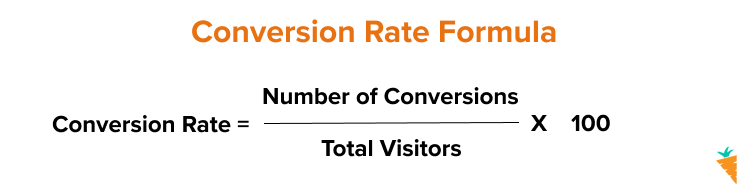
The percentage of website visitors who complete this desired action is known as the conversion rate, which is an important metric for measuring the success of a website in achieving its goals.
Understanding your conversion rate is crucial to know how well your real estate investor website performs. It can help you optimize your website to attract more leads, increase engagement, and ultimately, drive greater success for your real estate investment business.
The 3 Biggest Factors of a High-converting Real Estate Website
Watch this video… “Website Conversion 101”
1. Personalization
Structureand appearance
The websites that convert take advantage of their web design to pull people in and get them to explore their site. Attractive web design for high-converting websites means:
Fast page load: People want information fast, especially since over half of internet traffic is on the go with mobile, so fast page speed is essential to convert. Learn more about page speed optimization.
Responsive design: With so many people accessing the Internet via mobile, your site needs a responsive design that encourages Internet users to take the step to convert.
Intuitive navigation: Websites that convert make it easy for people to find the information they want.
Engaging layout: High-converting websites use layouts that make it easy for people to find information on the page. These websites use white space as rest-stops for the eyes. They also use web-safe fonts and eye-catching images, graphics, and videos. Ask yourself for every component of your website, “is this helping me generate leads?”
Logo & brand colors for a cohesive look.
Logos and brand colors are essential for website conversion rates as they help to create brand recognition and establish trust with visitors.
Logos serve as a visual representation of a brand and can help to communicate a company’s message and values instantly. The impact a good website logo can have on conversions can vary greatly depending on various factors, such as your target audience and the website’s overall design. However, it’s generally agreed that having a strong and well-designed logo can positively impact conversions in several ways.
A good logo can help to establish brand recognition and credibility, increase brand awareness, and create an emotional connection with visitors. These factors can contribute to higher levels of trust, ultimately leading to increased conversions.
Brand colors also play a key role in establishing a company’s identity and creating an emotional connection with consumers. When used consistently across all touchpoints, logos and brand colors can help to build a strong brand image, increase brand awareness and create a sense of reliability and credibility, all of which can contribute to higher conversion rates. Utilizing a logo maker, you can get the effect quite simply.
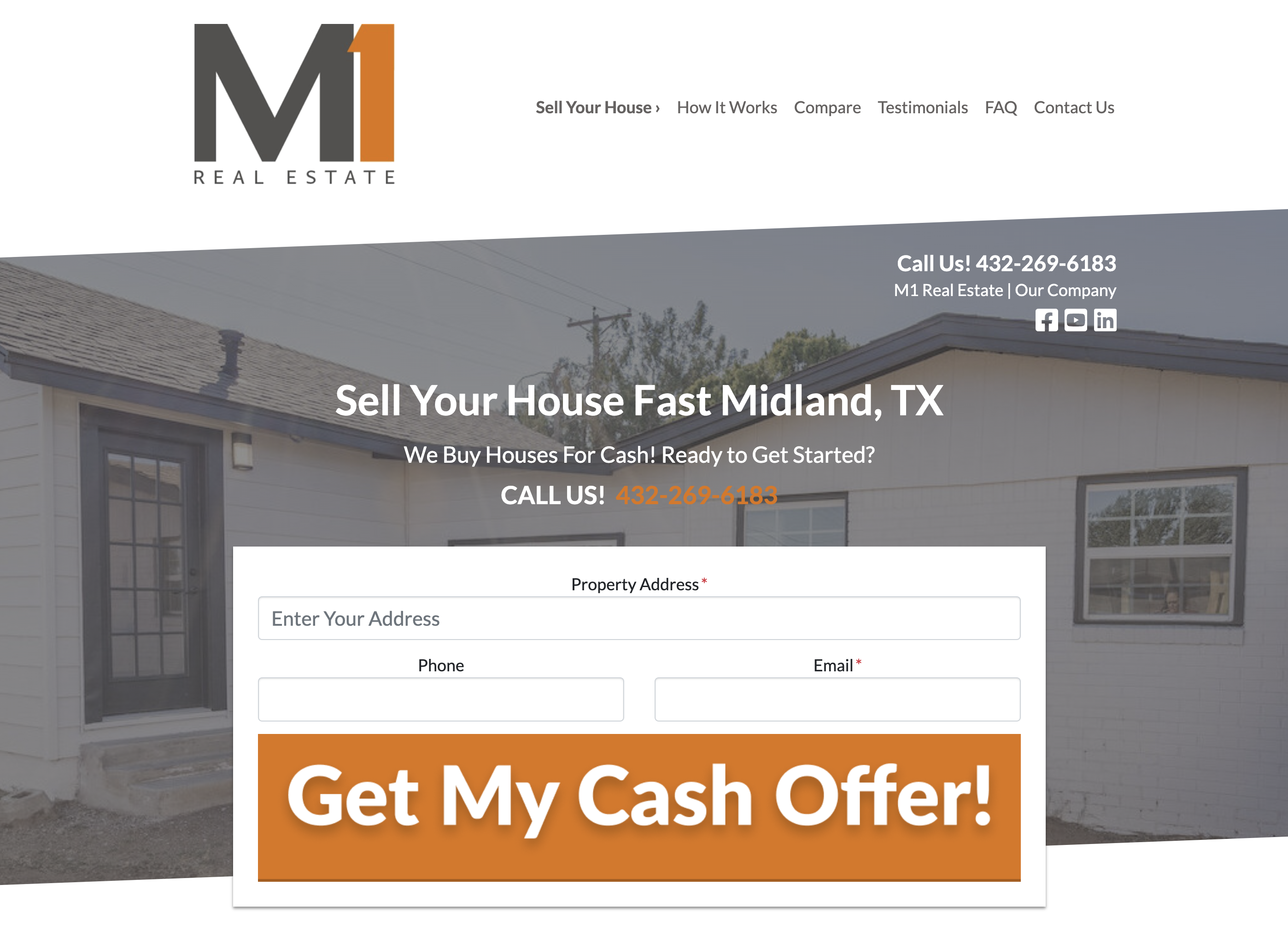
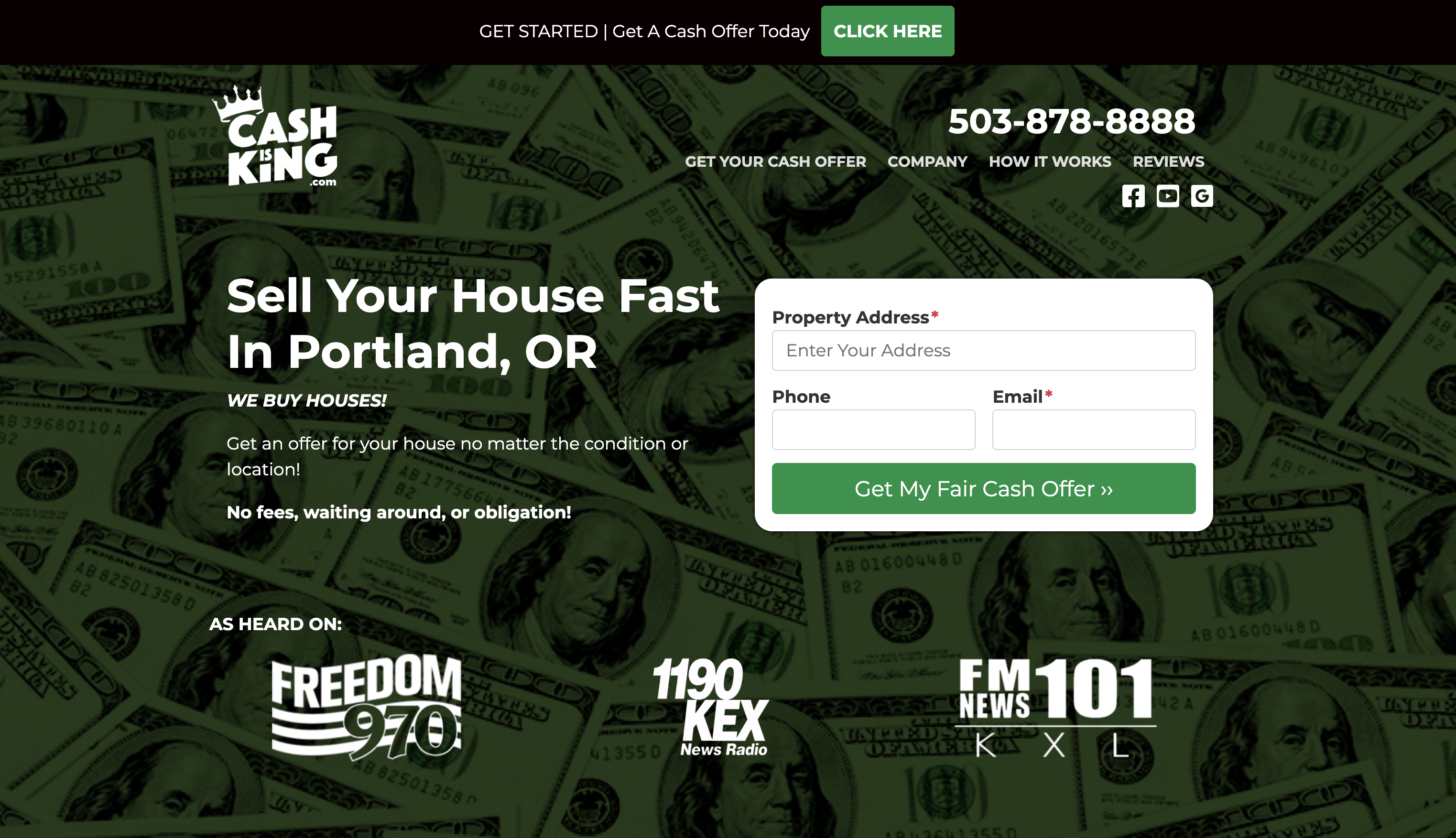
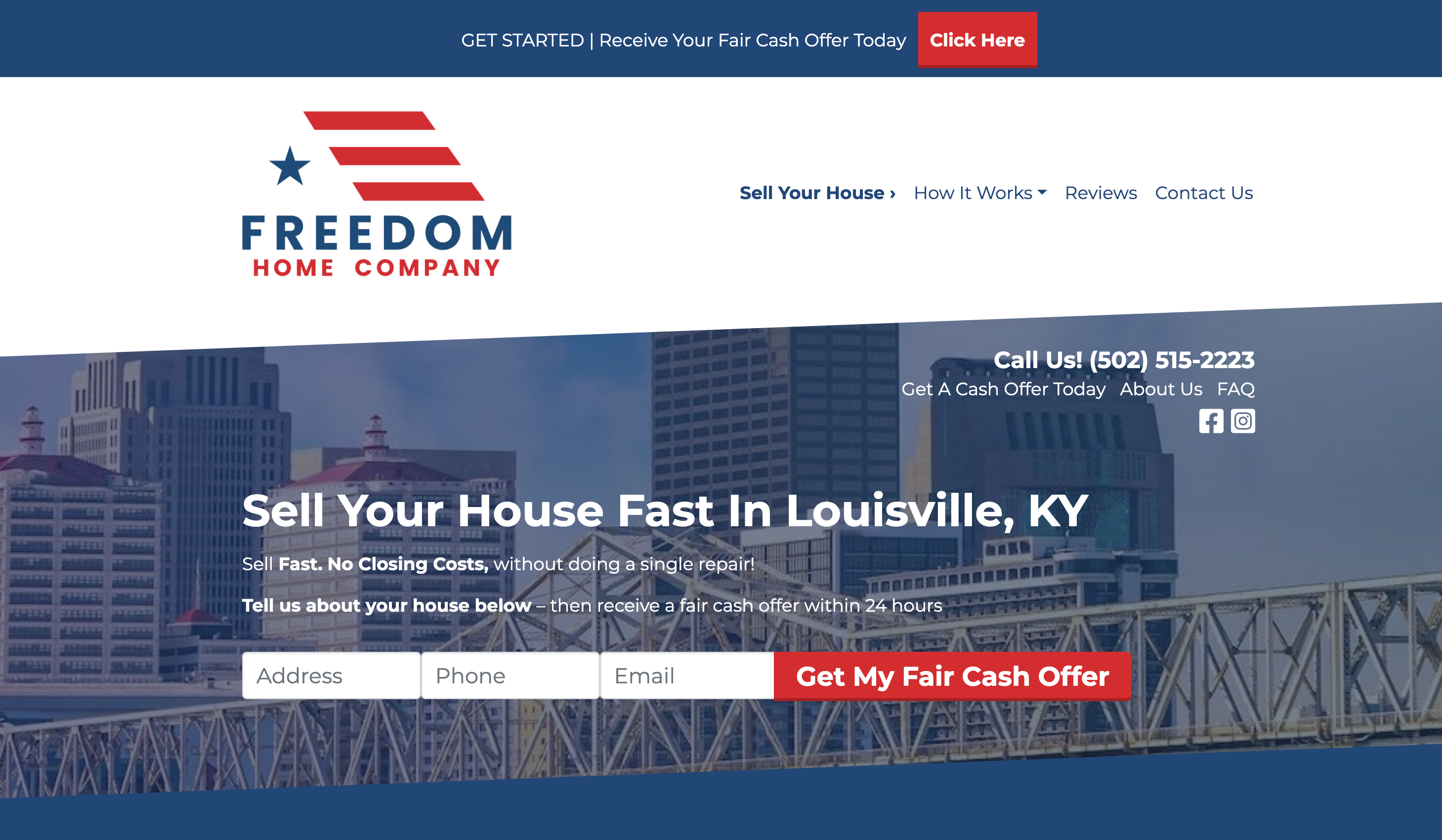
Here are a few examples of quality logos and brand colors.
Put some love into your “About” page
Over the years, we have continuously run heatmaps on our Carrot sites to learn more about how people engage with them.
We looked at where people clicked the most.
And, to our surprise, the “About” header in the menu was regularly the second-most clicked button on the homepage.
Go figure.
Real estate is a highly personal business.
So it’s not remarkably surprising that people… well, want to learn about YOU — probably even before they call you or opt-in on your website form.
This is why it’s essential to give your “About” page the attention it deserves.
How?
Well, it’s pretty straightforward.
Here are 3 quick tips with examples.
1.Share Your Core Values — What makes you tick? What are the non-negotiable qualities that you believe give a person character? Create some core values and put them on your “About” page. This will help people relate to you and get a feel for who you are.
2.Tell Your Story — You don’t have to write a book, but it’s good to talk about yourself and let people know who you are and how you got where you are today. Bonus points if you include a picture of yourself!
3. Encourage Outreach — People click on the “About” page because they’re thinking about working with you… but they want to learn a little about you first. So at the end of your “About” page, don’t forget to encourage people to contact you if they have any questions.
2. Localization
Real estate investor website localization refers to adapting a website to your target audience’s language, culture, and customs. Custom content appeals to your target audience. By localizing your website, you can improve the user experience and increase conversion rates by:
Building trust: Localizing your website can help you build trust with your target audience, showing your business is trying to understand and cater to their needs. This can lead to higher levels of customer loyalty and increased conversion rates.
Improving relevance: Localized content relevant to your target market can improve the user experience and increase conversions by demonstrating that your business understands and values their cultural differences. A motivated seller in San Francisco has different needs than a motivated seller in Boston.
Boosting SEO: Localized websites can also improve search engine optimization by targeting specific keywords and phrases relevant to your target audience. This can increase visibility, attract more qualified traffic, and increase conversion rates.
Website localization can significantly increase conversion rates by improving accessibility, building trust, relevance, and boosting local SEO.
This is a critical part of your website for increasing conversion rate… don’t ignore it.
How are you building authority & credibility on your website? In the comments below, let us know what you’ve found the most effective.
Final Thoughts
By implementing the tips and strategies outlined in this ultimate guide to website conversion, you can create a website that showcases your properties and provides a seamless user experience for your visitors.
At Carrot, we obsess about website conversion rates, so you don’t have to.
There’s a lot to it.
The good news is we’re here to help. You don’t have to get overwhelmed, spending all day testing colors, forms, and copywriting. Not only have we done a lot of the work for you in our software, but we’ll guide you along the way, step-by-step, so you can be on your way to doing what you do best — closing deals.
Want to generate more motivated seller leads and get your website up and running fast? – take the 30DC
Have Carrot site and wanna stand out? Consider our optimum site performance service, Concierge Setup.

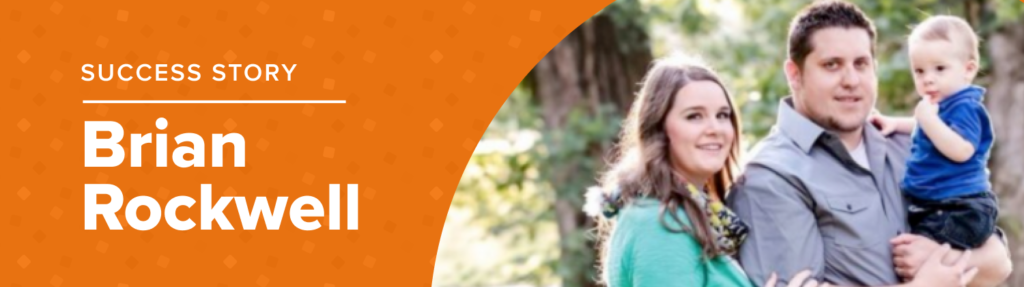
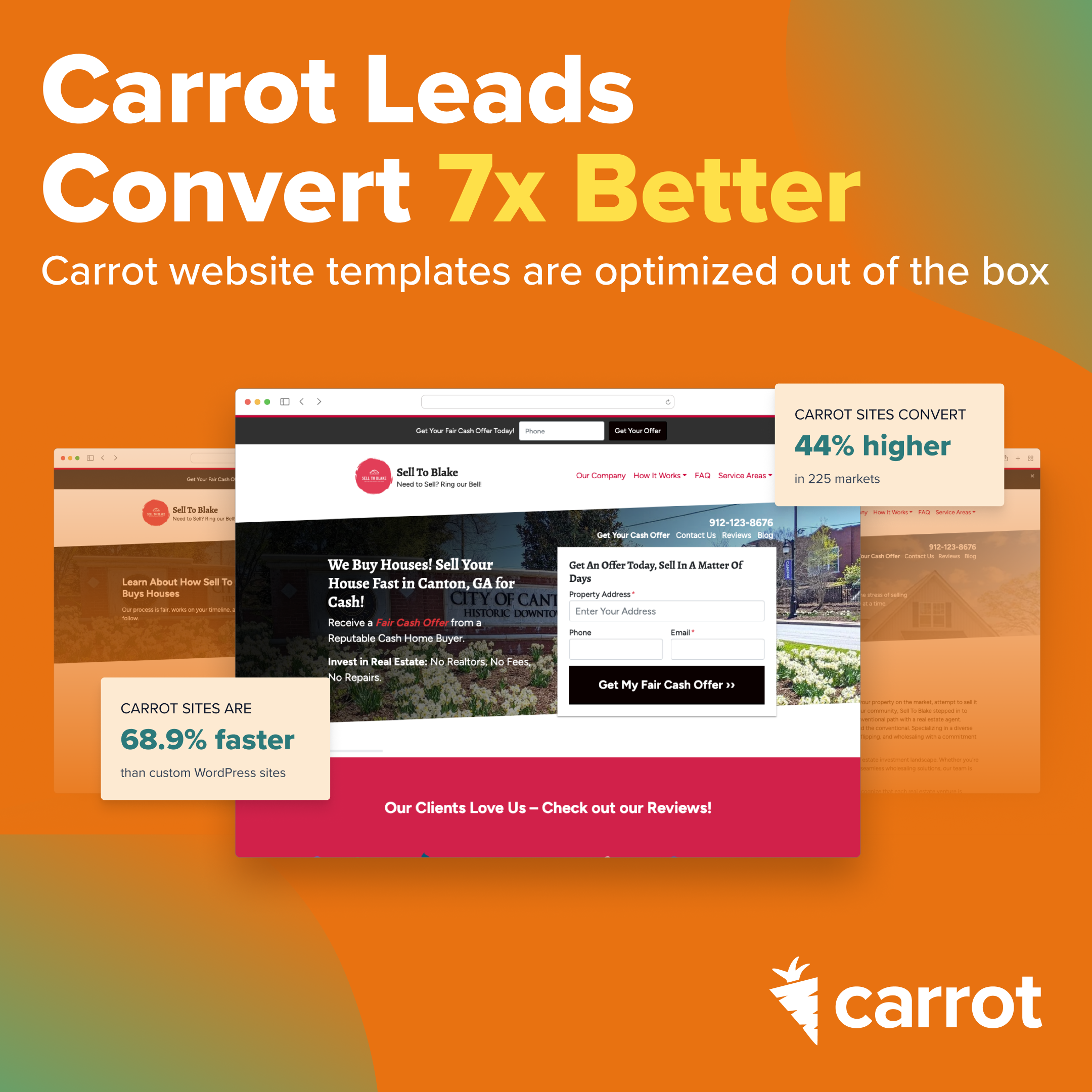
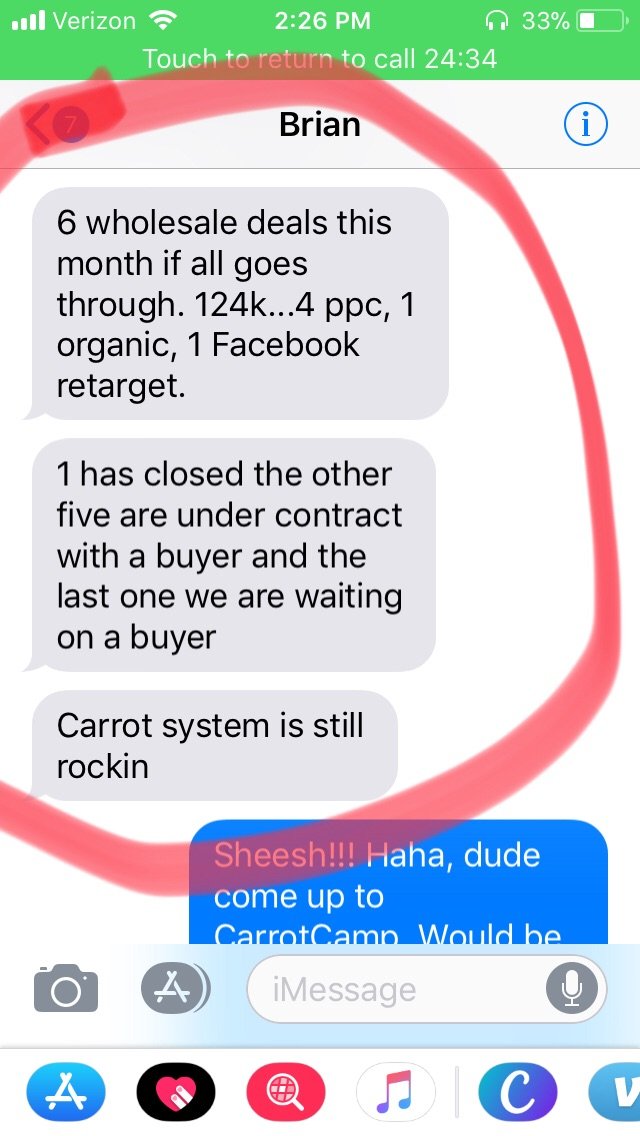
![[Case Study] From Teacher to $80k/Month Wholesaling Real Estate w/ Brian Rockwell](https://i.ytimg.com/vi/sMap9jMAUtw/hqdefault.jpg)